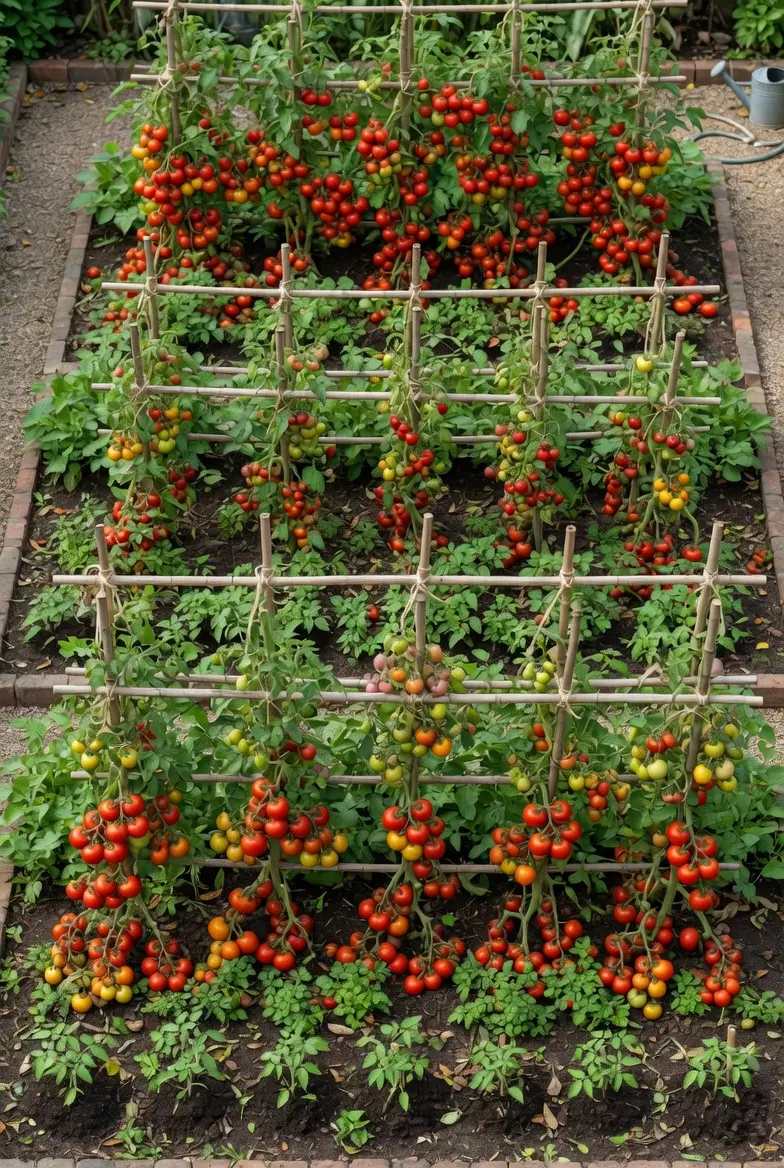

Growing tomatoes at home is a dream for many gardeners, but even those with limited space can enjoy a bountiful harvest. With a few smart techniques, it’s possible to produce big, healthy tomatoes on your terrace, balcony, or small patio—even without a traditional garden. This guide will walk you through everything you need to know to maximize your tomato yield and enjoy flavorful, homegrown fruits.
Why Terrace Tomato Gardening Works
Tomatoes are adaptable and thrive in containers, making them ideal for urban gardeners. Terrace gardening offers several advantages:
- Controlled environment: You can manage sunlight, water, and soil quality more effectively than in open-ground gardens.
- Pest management: Being off the ground reduces exposure to soil-borne pests and diseases.
- Accessibility: Container tomatoes are easier to prune, harvest, and care for.
- Space efficiency: Vertical supports or hanging methods allow multiple plants in limited space.
With these advantages, terrace gardening can produce tomatoes that are larger, healthier, and tastier than store-bought ones.
Choosing the Right Tomato Varieties
Selecting the right tomato variety is crucial for success on a terrace. Look for:
- Compact or dwarf varieties: These are ideal for pots and small spaces. Examples include cherry tomatoes, bush-type tomatoes, and patio varieties.
- High-yield varieties: Opt for types known for abundant fruiting, like “Roma” or “Early Girl,” which produce consistently throughout the season.
- Disease-resistant types: Choose varieties resistant to common tomato diseases such as blight and fusarium wilt, especially in container setups where airflow is limited.
Preparing Containers and Soil
A successful terrace tomato crop starts with proper containers and soil:
- Containers: Use large pots, grow bags, or buckets with drainage holes. Each plant should have at least 10–15 liters of soil to accommodate strong root development.
- Soil mix: Combine garden soil or compost with perlite or sand to improve drainage. Tomatoes thrive in slightly acidic soil with a pH of 6.0–6.8.
- Nutrients: Mix organic compost, crushed eggshells, or slow-release fertilizers into the soil before planting. This provides essential nutrients for strong growth, bigger fruits, and prolific flowering.
Planting Your Tomatoes
- Timing: Start seeds indoors 6–8 weeks before the last expected frost or buy healthy seedlings from a nursery.
- Transplanting: Plant seedlings deep into the soil, burying two-thirds of the stem. This encourages strong root growth and stabilizes the plant for heavy fruits.
- Spacing: Keep at least 30–45 cm (12–18 inches) between plants in containers to allow air circulation and reduce disease risk.
Supporting Your Plants
Tomatoes need support as they grow. Proper staking or caging helps plants stay upright, prevents fruit from touching the soil, and encourages bigger yields:
- Tomato cages: Wire cages are easy to use and guide the plant upward naturally.
- Stakes and strings: Tie the main stem gently to a stake or use a vertical string system to allow the plant to climb.
- Regular pruning: Remove suckers (small shoots between the main stem and branches) to direct energy toward fruit development.
Watering and Feeding
Tomatoes are thirsty plants, especially in containers:
- Consistent watering: Keep soil evenly moist but not waterlogged. Water deeply 2–3 times a week depending on weather.
- Mulching: Apply a layer of straw or dried leaves on top of the soil to retain moisture and prevent temperature fluctuations.
- Fertilizing: Feed plants with liquid compost or organic fertilizer every 2–3 weeks. Look for fertilizers high in potassium to promote larger, juicier fruits.
Maximizing Fruit Size and Quantity
To grow big, abundant tomatoes on a terrace, follow these tips:
- Sunlight: Ensure each plant receives at least 6–8 hours of direct sunlight daily. Move containers or rotate them if sunlight is uneven.
- Pinching flowers and early fruits: Removing the first tiny flowers may seem counterintuitive, but it encourages stronger root and stem growth, resulting in larger fruits later.
- Consistent care: Monitor plants for pests like aphids, whiteflies, or tomato hornworms. Handpick pests or spray organic solutions to protect your harvest.
- Pollination: In confined spaces, gently shake flowers or use a small brush to transfer pollen, ensuring better fruit set.
Harvesting Your Terrace Tomatoes
Tomatoes are ready to harvest when they reach full color and a firm texture, typically 60–85 days after transplanting depending on the variety. Pick fruits carefully to avoid damaging stems, and enjoy them fresh in salads, sauces, or snacks. With proper care, container-grown tomatoes on your terrace can produce a continuous harvest for months.
Final Thoughts
Terrace gardening opens the door for urban dwellers to grow big, juicy, and plentiful tomatoes without needing a garden. By choosing the right varieties, preparing nutrient-rich soil, providing support, and maintaining consistent care, even a small terrace can yield an impressive tomato harvest.
Whether you’re a beginner or an experienced gardener, this approach makes homegrown tomatoes accessible, fun, and rewarding. Start today, and soon your terrace will be filled with vibrant green plants heavy with bright, delicious fruits ready to transform your meals and delight your family.
