Deep-root taproot starters are essential for gardeners looking to cultivate plants with long roots, such as carrots, beets, and parsnips. These DIY starters help ensure that the roots grow straight down, avoiding the deformities caused by rocky or compacted soil. By using thick cardboard mailing tubes, gardeners can create an eco-friendly and cost-effective solution to start their taproot plants. The design is simple yet effective, providing a biodegradable container that supports healthy root development and easy transplanting.
This DIY project fits well into any garden setting, from rustic to modern. It can be used in raised beds, directly in the ground, or in large containers. Ideal for starting vegetables like carrots and beets, these taproot starters can also be used for deep-rooted flowers such as sunflowers. The brown cardboard and natural look of the project complement a cottage garden aesthetic, while the clean, cylindrical shape can also fit a minimalist or modern garden design.
Cardboard Mailing Tube Taproot Starters
Materials
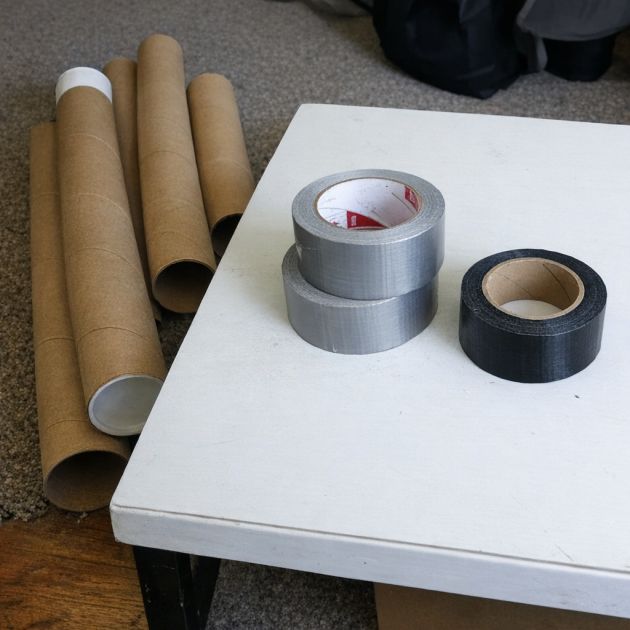
Thick cardboard mailing tubes (3-4 inches in diameter, 10-12 inches long)
Utility knife
Garden soil
Watering can
Organic seed-starting mix
Directions
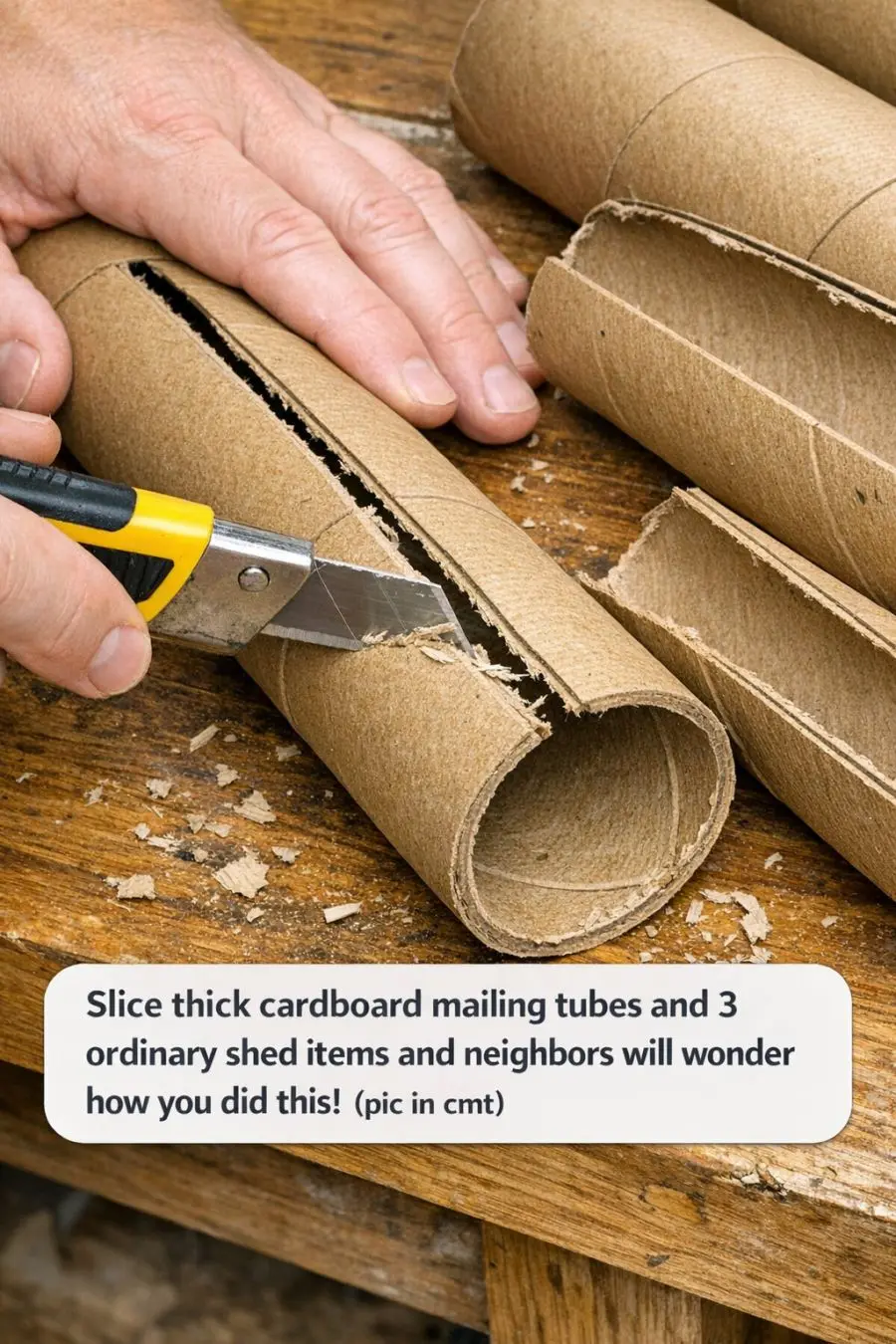
Use the utility knife to slice the cardboard mailing tubes lengthwise, creating two half-cylinders from each tube.
Fill each half-cylinder with a mixture of garden soil and organic seed-starting mix, ensuring it’s packed well to support the tube structure.
Place the filled tubes upright in your chosen garden location, such as a raised bed or large container.
Sow seeds of your chosen taproot plants (e.g., carrots, beets) into the soil of each tube, following the seed packet’s recommended depth and spacing.
Water the soil gently using a watering can, ensuring even moisture without over-saturating.
Monitor the growth and development of the seedlings, keeping the soil moist and providing additional support if necessary.
Variations & Tips
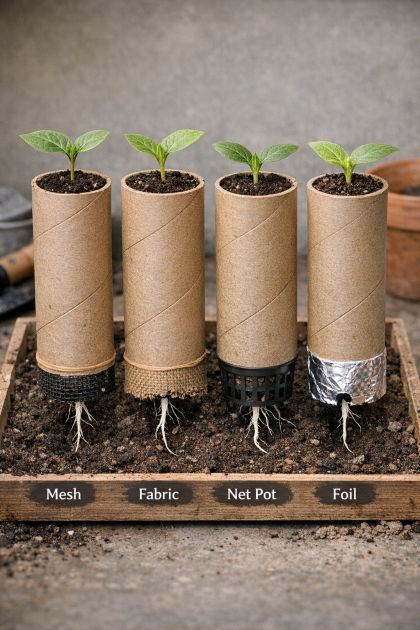
To adapt this project for different climates, consider using biodegradable plastic tubes for regions with heavy rainfall to ensure durability. For specific plant needs, you can adjust the soil mix by adding sand for better drainage or compost for nutrient-rich support. Experiment with larger tubes for bigger plants or smaller tubes for herbs. In colder climates, start the seeds indoors and move the tubes outside when the weather warms up. For aesthetic variety, paint the tubes with non-toxic garden-safe paint to match your garden’s color scheme.
