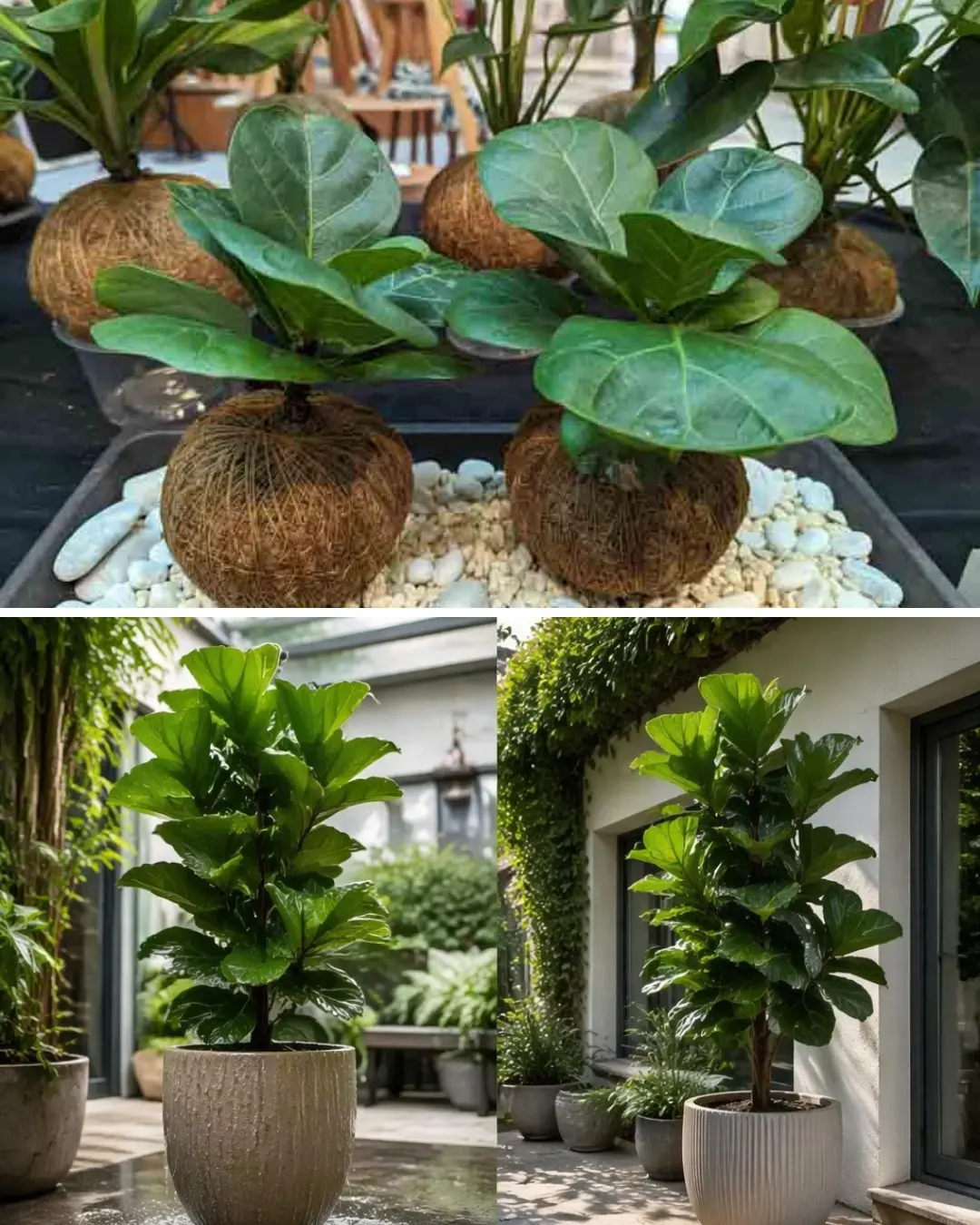
The fiddle leaf fig (Ficus lyrata) has become an icon of modern interior and garden design, known for its bold, violin-shaped leaves and sculptural elegance. While most people grow it as a statement indoor plant, this tropical beauty can also transform your garden—whether you’re working with a patio, balcony, or backyard space.
If you’ve never gardened before, don’t worry. The fiddle leaf fig may have a reputation for being a little finicky, but with the right approach, even beginners can grow it successfully outdoors or in containers. Here’s how to use this dramatic plant to instantly elevate your garden, even if you’ve never touched a trowel.
Why Choose the Fiddle Leaf Fig for Your Garden?
The fiddle leaf fig adds a bold architectural look to any space. With large, glossy green leaves and a tree-like structure, it can serve as a striking focal point in your garden design. It’s particularly well-suited to:
- Courtyards
- Covered patios
- Balconies with filtered light
- Entryways or accent corners
It thrives in tropical and subtropical climates but can also be grown in pots and brought indoors during colder months if you live in a temperate region.
Step 1: Choose the Right Spot
Fiddle leaf figs love light—but not direct, harsh sun. When placed outdoors, they thrive in bright, indirect light or partial shade. Direct afternoon sun can scorch the leaves, especially when the plant is still adjusting to a new environment.
Ideal locations include:
- A spot that gets morning sun and afternoon shade
- Under a pergola or tree canopy
- Near walls or fences that offer reflected light without full exposure
If you’re growing on a balcony or small patio, position your plant where it gets plenty of filtered light but is protected from wind and full sun.
Step 2: Use the Right Container and Soil
If you’re not planting directly into the ground, choose a large container with drainage holes. Fiddle leaf figs prefer a bit of space for their roots to grow, but they don’t like soggy conditions.
Use a well-draining potting mix, ideally one formulated for indoor trees or a blend of peat, perlite, and pine bark. You can also add some coarse sand or cactus mix for better drainage.
Repot the plant every 1–2 years or when roots begin to circle the pot’s edge or grow out the bottom.
Step 3: Water the Right Way
One of the most common mistakes with fiddle leaf figs is improper watering. The key is consistency:
-
- Water when the top 2 inches of soil feel dry
- Avoid letting the plant sit in standing water
- Water deeply, allowing it to drain completely
Outdoors, you might need to water more often in summer and less in cooler months. Always adjust based on your plant’s specific location and conditions.
Step 4: Feed for Health and Growth
To keep your fiddle leaf fig vibrant, feed it with a balanced liquid fertilizer (such as 10-10-10) once a month during the growing season (spring and summer). In fall and winter, pause fertilizing as the plant enters dormancy.
A slow-release fertilizer can also work well for outdoor garden settings.
Step 5: Prune to Shape and Encourage Branching
Don’t be afraid to prune your fiddle leaf fig—it responds well to trimming and can be shaped to your liking. Pruning helps:
- Remove damaged or yellowing leaves
- Encourage branching and a bushier form
- Control height and spread
To encourage branching, snip just above a node (where a leaf connects to the stem). This signals the plant to send out new growth.
If you’re going for a tree-like look, remove the lower leaves and allow the top canopy to flourish.
Step 6: Clean and Protect the Leaves
Dust and debris can build up on those big, beautiful leaves. Wipe them gently with a damp cloth every couple of weeks to keep them healthy and looking their best. This also helps the plant photosynthesize more efficiently.
Outdoors, check periodically for pests like spider mites or scale insects. Neem oil or insecticidal soap can be used if needed, but generally, fiddle leaf figs are pest-resistant when healthy.
Step 7: Bring Indoors When Necessary
If you live in a region with cold winters, your fiddle leaf fig should be grown in a container that can be moved indoors when temperatures drop below 50°F (10°C). Transition it gradually to prevent shock—start by bringing it into a shaded area before moving fully indoors.
Conclusion
You don’t need a green thumb or years of gardening experience to transform your garden with a fiddle leaf fig. By giving it the right light, proper soil, and consistent care, you can enjoy a bold, beautiful plant that instantly elevates your space.
Whether you’re adding one to a minimalist patio or using several to create a lush garden vibe, the fiddle leaf fig is a timeless choice that rewards even the most inexperienced gardener with big impact and long-lasting beauty.
