
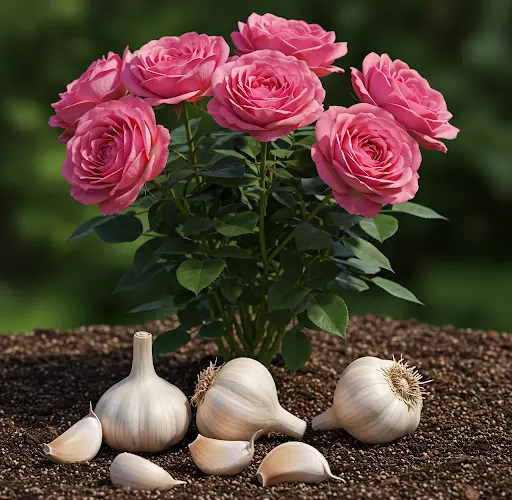
Roses are among the most popular and admired flowers in the world. They symbolize love, beauty, and elegance, and are a staple in gardens everywhere. While many people know that roses can be propagated through cuttings and rooting hormones, fewer are aware that garlic—a common kitchen ingredient—can be used to help rose cuttings root successfully. This natural method is simple, effective, and suitable for gardeners of all skill levels.
In this article, you’ll learn how to propagate roses using only garlic. This process not only saves money but also avoids the use of synthetic chemicals. With just a few basic materials and some patience, you can grow healthy new rose plants from cuttings.
Why Use Garlic to Propagate Roses?
Garlic is known for its powerful antifungal and antibacterial properties. When used in plant propagation, it helps protect cuttings from disease while promoting healthy root development. Garlic also contains natural compounds such as allicin, which can act as a mild growth stimulator. These qualities make it a useful and natural alternative to chemical rooting hormones.
Using garlic in rose propagation provides a double benefit: it supports root formation while also protecting the young cutting from potential infections in the soil.
Materials You’ll Need
To begin propagating roses with garlic, you will need the following:
- A healthy rose stem (semi-hardwood cutting)
- 1 to 2 cloves of fresh garlic
- A mortar and pestle or grater
- A small bowl of water
- A clean knife or pruning shears
- A pot filled with moist, well-draining soil
- A transparent plastic bag or container to cover the cutting
Step-by-Step Guide to Propagating Roses with Garlic
Step 1: Choose and Prepare the Rose Cutting
Select a healthy stem from a mature rose plant. The cutting should be about 6 to 8 inches (15–20 cm) long and include at least three nodes (points where leaves grow). Cut the stem at a 45-degree angle just below a node using sharp, sterilized pruning shears.
Remove all the leaves from the lower two-thirds of the cutting, leaving a couple of healthy leaves at the top. This helps the cutting focus its energy on root development.
Step 2: Prepare the Garlic Solution
Peel 1 to 2 garlic cloves and crush them using a mortar and pestle, grater, or the back of a spoon. Add the crushed garlic to a small bowl of water (about half a cup) and let it sit for 10 to 15 minutes. This creates a garlic-infused solution that can be used to stimulate rooting and protect the cutting from infections.
Step 3: Dip the Cutting in the Garlic Solution
Take the prepared rose cutting and dip the bottom end (about 2–3 cm) into the garlic solution. Let it soak for a few minutes. The garlic compounds will begin to penetrate the stem, helping to disinfect the wound and stimulate the rooting process.
Step 4: Plant the Cutting
After soaking, plant the cutting into a small pot filled with moist, well-draining soil. You can make a hole first using a pencil or stick to avoid damaging the stem. Gently press the soil around the cutting to keep it stable. Water lightly to settle the soil.
Step 5: Create a Humid Environment
To encourage rooting, cover the pot with a clear plastic bag or a transparent container. This creates a mini greenhouse effect, trapping humidity and warmth, which are both essential for root formation. Make sure the cover does not touch the leaves to prevent mold.
Step 6: Place in a Bright, Indirect Light
Put the pot in a location where it will receive bright but indirect sunlight. Avoid placing it in direct sun, which can cause overheating or dry out the cutting. Keep the soil moist but not soggy, and air out the cover occasionally to prevent fungal growth.
Monitoring and Aftercare
Roots typically begin to form within two to four weeks. To check progress, gently tug on the cutting—if you feel resistance, roots have likely formed. Once you see new leaf growth or root development, you can gradually remove the plastic cover.
Continue to care for the young plant by providing regular watering and a sunny location. After a few weeks, you can transplant it to a larger pot or into your garden. Ensure the soil remains fertile and well-draining to support further growth.
Final Thoughts
Using garlic to propagate roses is a simple, affordable, and natural method that any gardener can try at home. This technique not only helps protect young cuttings from disease but also promotes strong root development. With just a few cloves of garlic and some patience, you can successfully grow beautiful rose plants to enhance your garden or share with others.
Gardening with natural materials like garlic is a wonderful way to connect with nature while reducing reliance on synthetic products. Give this method a try and enjoy the satisfaction of growing roses from scratch.
