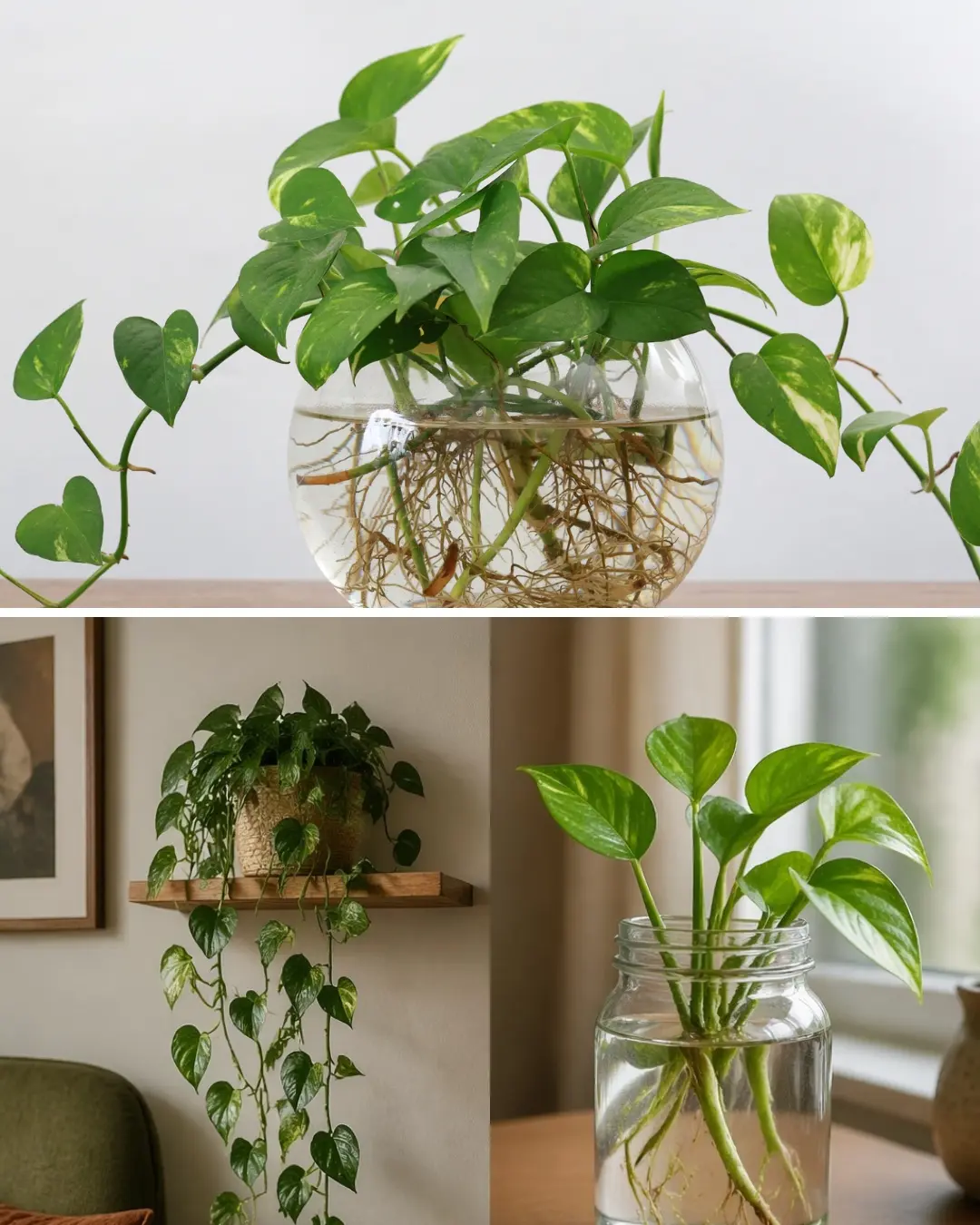
If you’re new to houseplants and want a low-maintenance, rewarding green companion, pothos is the perfect choice. Also known as Devil’s Ivy, pothos (Epipremnum aureum) is one of the easiest plants to grow indoors. It’s forgiving, fast-growing, and thrives in almost any home environment, making it ideal for those with no previous gardening experience.
With just a few basic tips and a little consistency, you can enjoy a lush, trailing pothos that brightens any room. Here’s a beginner-friendly guide to nurturing your pothos from day one.
Why Pothos Is Perfect for Beginners
Pothos is incredibly adaptable. It can tolerate low light, occasional neglect, and irregular watering, yet still grow with enthusiasm. Its cascading vines and heart-shaped leaves come in various patterns and shades, from golden green to variegated white or neon hues. This plant not only elevates your home decor but also helps purify indoor air.
Choosing the Right Variety
Before you begin, it helps to know that pothos comes in a few beautiful varieties, all of which are easy to care for:
-
- Golden Pothos: The classic type with green leaves and yellow streaks.
- Marble Queen: A variegated variety with creamy white and green marbled leaves.
- Neon Pothos: Bright, electric green leaves.
- Jade Pothos: Deep green, perfect for low-light conditions.
Any variety will suit a beginner, so choose whichever appeals to you most.
What You Need to Get Started
You don’t need anything fancy to grow a pothos successfully. Here’s a simple list:
-
- A healthy pothos plant (available from plant shops or online)
- A container with drainage holes
- Well-draining potting soil (general houseplant soil works well)
- A bright indoor spot (but no direct sun)
Optional items include a watering can, plant stand, and liquid houseplant fertilizer.
Potting and Placement
When you bring your pothos home, check that it’s planted in a pot with drainage holes. This is essential to prevent root rot. If the plant looks cramped or root-bound, repot it into a slightly larger container using fresh potting mix.
Place your pothos in a location that receives bright, indirect light. A few feet away from a sunny window is ideal. If your space is dimmer, don’t worry—pothos can still thrive in low light, though its growth might slow down.
Watering Made Simple
Watering is often the most intimidating part for new plant owners, but pothos is forgiving.
-
- Check the Soil: Before watering, stick your finger an inch into the soil. If it feels dry, it’s time to water.
- How Much to Water: Water thoroughly until it runs out the bottom, then empty any excess from the saucer to prevent standing water.
- How Often: Typically once every 1–2 weeks, depending on your home’s humidity and temperature.
If the leaves start drooping, it’s usually a sign the plant is thirsty. After a good drink, it should perk up within hours.
Feeding and Fertilizing
While pothos doesn’t require frequent feeding, it does benefit from occasional nutrients.
- Use a balanced liquid houseplant fertilizer every 4–6 weeks during the growing season (spring and summer).
- In fall and winter, reduce feeding or stop altogether as growth slows down.
Pruning and Styling
Pothos naturally grows long vines, which you can style in several ways:
-
- Let it Trail: Hang the pot and let the vines cascade.
- Train It to Climb: Use hooks or a trellis to encourage vertical growth.
- Prune It: Snip long or leggy stems just above a leaf node to encourage bushier growth. Pruning also keeps the plant looking tidy.
The clippings can be rooted in water to grow new plants—perfect for sharing or expanding your indoor jungle.
Common Issues and Easy Fixes
Even beginner-friendly plants encounter problems from time to time. Here’s how to handle them:
-
- Yellow Leaves: Usually due to overwatering. Let the soil dry more between waterings.
- Brown Leaf Tips: Could indicate low humidity or inconsistent watering. Mist the leaves or move the plant away from heaters.
- Pests: Mealybugs or spider mites are rare but possible. Wipe the leaves with a damp cloth or treat with insecticidal soap.
Propagation—No Experience Needed
One of the best things about pothos is how easily it propagates:
-
- Cut a stem just below a node (the little bump where leaves grow).
- Place the cutting in water and keep it in indirect light.
- In a few weeks, roots will form. Once they’re about an inch long, transfer the cutting to soil.
This is a great way to create new plants from an existing one—no greenhouse required.
Final Thoughts
Pothos is the ultimate no-fuss plant, perfect for beginners who want greenery without stress. With basic care—light, water, and the occasional trim—you can enjoy lush vines and vibrant leaves all year round. Even if you’ve never kept a plant alive before, pothos gives you the confidence to start.
So go ahead, bring home a pothos and watch your indoor gardening journey bloom from there.
