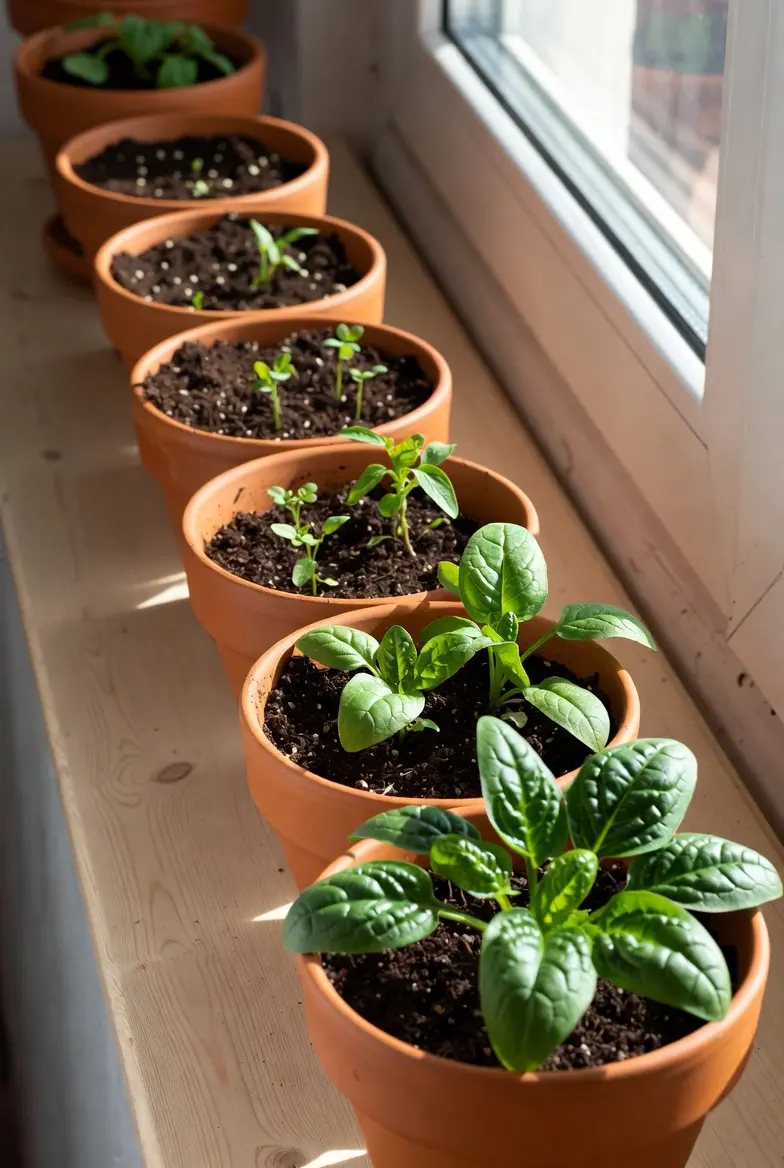
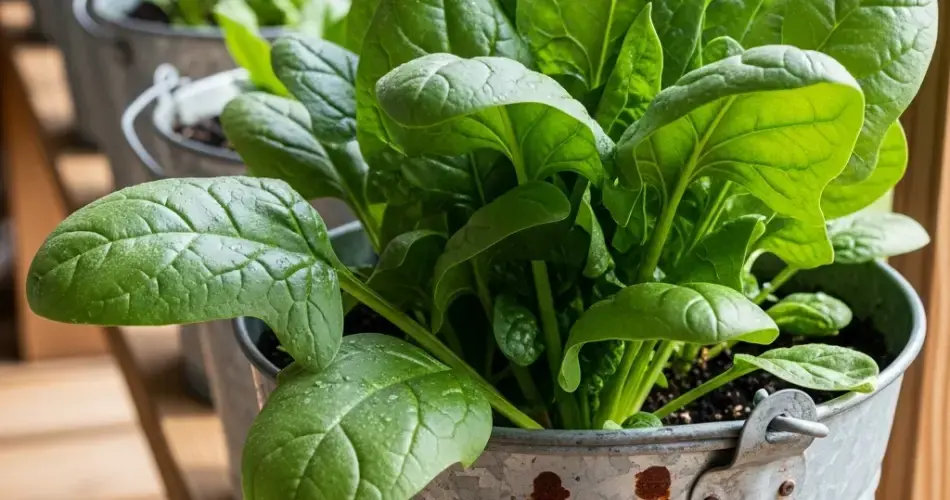
Spinach is a versatile and nutrient-rich leafy green that can thrive even in limited spaces. For gardeners with small patios, balconies, or indoor growing areas, container gardening offers a practical way to enjoy fresh spinach year-round. With proper container selection, soil preparation, watering, and care, spinach can flourish in small pots, providing a continuous harvest of tender, flavorful leaves.
Why Grow Spinach in Containers?
Container gardening is ideal for spinach because it allows precise control over soil quality, drainage, and sunlight exposure. Spinach grows quickly and prefers cooler conditions, making it well-suited for portable pots that can be moved to shaded or sunlit areas as needed. Additionally, growing spinach in containers reduces the risk of soil-borne pests and diseases often found in garden beds, while making harvesting easier and more convenient.
Choosing the Right Container
Selecting an appropriate container is the first step in ensuring healthy spinach growth. Spinach has a relatively shallow root system, so a pot with a depth of six to eight inches is usually sufficient. However, the container should be wide enough to accommodate multiple plants, as spacing spinach seeds too closely can lead to overcrowding and reduced growth. Materials such as plastic, clay, or ceramic are all suitable, as long as the pot has adequate drainage holes to prevent waterlogging, which can cause root rot.
Preparing a Nutrient-Rich Soil Mix
Healthy soil is key to thriving spinach. A well-draining, fertile soil mix provides the roots with both nutrients and oxygen. A recommended container soil mix includes:
- 50% garden soil or loamy topsoil: This provides structure and essential minerals.
- 30% compost or well-rotted organic matter: Adds nutrients, improves moisture retention, and supports beneficial microorganisms.
- 20% perlite, vermiculite, or coarse sand: Enhances drainage and prevents soil compaction.
Avoid heavy clay soils, as they can retain excess water and suffocate spinach roots. Before planting, lightly moisten the soil to create a favorable environment for seeds or seedlings.
Planting and Spacing
Spinach can be grown from seeds or seedlings. For seeds, sow them about half an inch deep, spaced one to two inches apart. Thin seedlings to four to six inches apart once they reach a few inches in height to prevent overcrowding. Proper spacing allows adequate air circulation, reduces disease risk, and encourages vigorous growth. Container-grown spinach also benefits from succession planting: sowing a new batch of seeds every two to three weeks ensures a continuous supply of fresh leaves throughout the growing season.
Light Requirements
Spinach grows best in bright, indirect sunlight, ideally four to six hours per day. While it tolerates partial shade, insufficient light can lead to leggy, weak plants. In warmer climates, placing containers in areas with morning sun and afternoon shade helps prevent bolting, a condition where the plant produces flowers and seeds prematurely, reducing leaf quality.
Watering and Moisture Management
Consistent moisture is crucial for spinach, as it prefers evenly moist soil. Water containers regularly, checking that the soil is damp but not soggy. Overwatering can lead to root rot, while allowing the soil to dry out may stress the plants and slow growth. Mulching the soil surface with straw or shredded leaves can help retain moisture and keep the roots cool, especially during warmer months.
Fertilization
Spinach is a nutrient-demanding plant, particularly for nitrogen, which supports leafy growth. Adding a balanced liquid fertilizer or compost tea every two to three weeks can provide a steady supply of nutrients. Slow-release organic fertilizers incorporated into the soil before planting also work well for continuous feeding. Avoid excessive fertilization, as overly rich soil can lead to excessive leaf growth with reduced flavor.
Pest and Disease Management
While container-grown spinach is less prone to pests and diseases than garden beds, occasional issues may occur. Aphids, leaf miners, and slugs are common culprits. Inspect leaves regularly and remove affected foliage promptly. Organic solutions like neem oil or insecticidal soap are effective for managing pests without harming beneficial insects. Good spacing and proper watering help prevent fungal problems such as downy mildew or damping-off in seedlings.
Harvesting Spinach
Harvesting can begin as soon as the leaves are large enough to eat. For loose-leaf varieties, pick outer leaves regularly, allowing the inner leaves to continue growing. For larger heading varieties, harvest the entire plant when mature. Frequent harvesting encourages new growth and prevents the plant from bolting too quickly.
Conclusion
Growing spinach in small pots is a practical and rewarding way to enjoy fresh, healthy greens, even in limited spaces. By selecting the right container, preparing nutrient-rich soil, ensuring proper light and water, and maintaining plant health, gardeners can cultivate spinach successfully throughout the growing season. With careful attention and a little planning, small-space gardeners can enjoy a continuous supply of tender, flavorful spinach right at home.
