
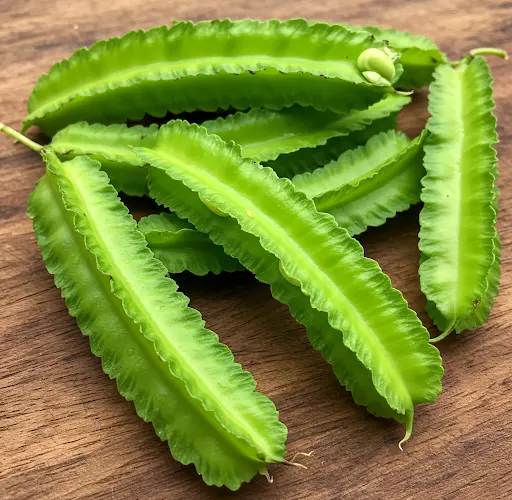
Winged beans (Psophocarpus tetragonolobus) are one of the most versatile and nutritious legumes you can grow in your garden. Packed with protein, vitamins, and minerals, they serve as a fantastic alternative to store-bought vegetables, which often come with high price tags. If you had known the best methods for cultivating winged beans earlier, you could have saved hundreds of dollars each month on groceries.
With proper techniques, winged beans can thrive and produce an abundant harvest, significantly reducing your food expenses. Here’s how you can maximize your yield while minimizing costs.
Why Winged Beans Are a Cost-Saving Superfood
Winged beans are sometimes called the “one-plant supermarket” because every part of the plant is edible. The pods, seeds, leaves, flowers, and even the tubers provide valuable nutrition. Here are a few reasons why they are a great addition to your garden:
- High Nutritional Value: Winged beans are rich in protein, calcium, iron, and vitamins A and C.
- Low Maintenance: They require minimal care once established, reducing the need for expensive fertilizers and pesticides.
- Fast Growth: With the right conditions, they can grow rapidly and provide multiple harvests in a season.
- Drought Resistance: They are adaptable to different climates and can tolerate dry spells, reducing your water bill.
- Multiple Uses: You can cook them in various ways, and they replace many store-bought vegetables.
The Best Way to Grow Winged Beans for Maximum Yield
1. Choose the Right Location
Winged beans thrive in tropical and subtropical climates with warm temperatures and high humidity. Select a spot that receives at least six to eight hours of sunlight daily. If you live in a cooler region, consider growing them in a greenhouse or using row covers to trap heat.
2. Prepare the Soil Properly
Winged beans prefer well-draining soil with a pH of 5.5 to 7.5. To improve soil fertility naturally, add organic compost or manure before planting. Since they are nitrogen-fixing plants, they enrich the soil, reducing the need for expensive fertilizers.
3. Use High-Quality Seeds
Investing in high-quality seeds is crucial for a bountiful harvest. Soak seeds in warm water overnight before planting to speed up germination. If you can’t find quality seeds locally, consider sourcing them from trusted online suppliers or seed exchanges.
4. Planting at the Right Time
The best time to plant winged beans is during the warm season when temperatures are consistently above 20°C (68°F). In tropical climates, you can plant them year-round, but in cooler areas, start them indoors before transplanting outside.
5. Provide Strong Support Structures
Winged beans are climbing plants that require trellises, poles, or netting to grow efficiently. Constructing a sturdy vertical support system helps maximize space and encourages healthier growth. This method also keeps the pods off the ground, reducing the risk of pests and diseases.
6. Water and Mulch Effectively
Although winged beans are drought-resistant, consistent watering is essential during the early growth stages. Mulching around the base of the plants helps retain soil moisture, suppress weeds, and reduce the need for frequent watering. This simple practice can cut down on water costs significantly.
7. Use Natural Fertilizers
Since winged beans fix nitrogen in the soil, they require minimal external fertilization. However, adding organic fertilizers such as compost tea, fish emulsion, or seaweed extract can enhance growth. Avoid chemical fertilizers, which not only increase costs but may also harm beneficial soil microbes.
8. Control Pests and Diseases Naturally
Winged beans are relatively pest-resistant, but occasional aphids, caterpillars, or fungal infections may appear. Instead of buying expensive pesticides, use natural solutions like neem oil, garlic spray, or companion planting with marigolds to deter pests.
9. Harvest at the Right Time
For the best taste and texture, harvest winged bean pods when they are young and tender, about 8-10 inches long. Mature pods become fibrous and tough. Leaves can be harvested at any stage for use in salads or stir-fries. Tubers should be left to mature for at least five months before harvesting.
10. Save Seeds for the Next Season
One of the best ways to cut costs is to save seeds from your healthiest plants. Allow some pods to fully mature and dry on the vine before collecting seeds for the next planting season. This practice eliminates the need to buy new seeds each year.
How Growing Winged Beans Saves You Money
By following these simple but effective methods, you can save hundreds of dollars every month on groceries. Here’s how:
- Reduces Vegetable Costs: A single plant can yield dozens of pods, providing fresh produce without the need to buy store-bought greens.
- Minimizes Fertilizer Expenses: Natural compost and nitrogen-fixing properties reduce the need for costly fertilizers.
- Cuts Down on Pesticide Costs: Organic pest control methods eliminate the need for expensive chemical treatments.
- Decreases Water Bills: Drought resistance and mulching reduce overall water usage.
- Eliminates the Need for Seeds: Saving seeds ensures a continuous supply of plants for free.
Final Thoughts
If you had learned these growing techniques earlier, you could have saved a significant amount on grocery bills. By implementing these methods now, you can enjoy fresh, organic, and cost-effective produce straight from your garden. Winged beans are not just an economical choice but also a sustainable one, making them a must-have for any home gardener looking to cut down on expenses while eating healthier.
