
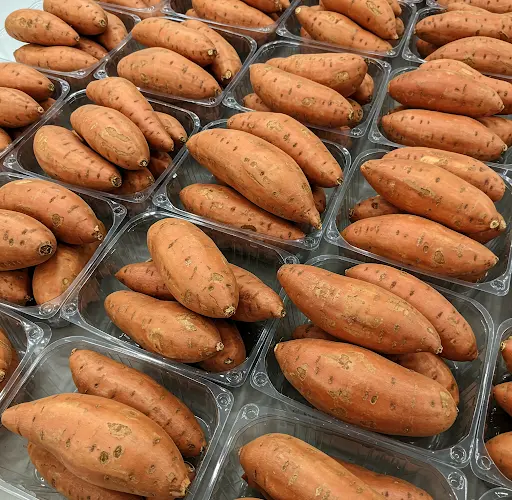
Growing sweet potatoes in plastic containers is an excellent way to enjoy a bountiful harvest without the need for a large garden or intensive maintenance. This method is perfect for those who have limited space, such as urban gardeners or those living in apartments. With just a few simple steps, you can grow sweet potatoes with many tubers in plastic containers without spending much time on care. This guide will walk you through the entire process, from selecting the right container to harvesting your sweet potatoes successfully.
Why Grow Sweet Potatoes in Plastic Containers?
- Space-Saving: Ideal for balconies, patios, or small gardens.
- Less Maintenance: Requires minimal weeding and pest control.
- Better Control: Allows for better soil quality and drainage.
- High Yield in Small Space: Encourages tuber formation with proper container depth.
- Reusable Containers: Plastic containers can be repurposed season after season.
Choosing the Right Plastic Container
To ensure a successful sweet potato harvest, selecting the correct container is essential:
- Size: A container with a depth of 12-18 inches and a width of at least 15-20 inches is ideal.
- Drainage: Drill multiple holes at the bottom and sides to prevent waterlogging.
- Material: Use food-grade plastic containers, buckets, or storage bins to avoid toxic chemicals leaching into the soil.
- Color: Light-colored containers help prevent overheating in hot climates.
How to Grow Sweet Potatoes in Plastic Containers
Step 1: Preparing the Sweet Potato Slips
Sweet potatoes are not grown from seeds but from slips, which are sprouts that grow from a mature sweet potato.
How to Get Sweet Potato Slips:
- Choose an Organic Sweet Potato: Select a healthy, organic sweet potato from the market or your previous harvest.
- Place in Water: Cut the sweet potato in half and submerge one end in a jar of water.
- Wait for Sprouts: In about 2-4 weeks, green shoots (slips) will start emerging.
- Remove Slips: Once slips are 4-6 inches long, gently twist them off the sweet potato.
- Rooting the Slips: Place the slips in a glass of water until they develop roots, which takes about a week.
Step 2: Preparing the Soil Mix
Sweet potatoes thrive in loose, well-draining, and nutrient-rich soil. A good mix includes:
- 50% Garden Soil or Potting Mix (light and well-aerated)
- 30% Organic Compost or Manure (rich in nutrients)
- 20% Sand or Perlite (improves drainage and prevents compacted soil)
Mix these ingredients well to create a fluffy, well-draining soil for tuber growth.
Step 3: Planting the Sweet Potato Slips
- Fill the Container: Add the prepared soil mix, leaving about 2-3 inches from the top.
- Plant the Slips: Make holes 4-5 inches deep and insert each slip, covering the roots with soil.
- Spacing: Leave about 10-12 inches between slips for better tuber development.
- Watering: After planting, water thoroughly to help the roots establish.
Step 4: Minimal Maintenance for Maximum Tuber Growth
Sweet potatoes require very little care once planted. Here are a few tips:
1. Watering
- Water 2-3 times a week during the first month.
- Reduce watering once plants are established to once a week.
- Avoid overwatering, as soggy soil can cause root rot.
2. Sunlight
- Place the container in a full-sun location (at least 6-8 hours of sunlight daily).
- If growing indoors, use grow lights to supplement light.
3. Fertilization
- Apply a low-nitrogen fertilizer every 3-4 weeks to encourage tuber growth.
- Avoid high-nitrogen fertilizers, as they promote leafy growth instead of tubers.
4. Pest Control
- Sweet potatoes are generally pest-resistant, but watch out for aphids and caterpillars.
- Use neem oil or soap water spray for natural pest control.
Step 5: Harvesting Sweet Potatoes
Sweet potatoes are ready for harvest in 90-120 days after planting. Here’s how to tell when they are mature:
- Yellowing Leaves: When leaves start turning yellow, it’s a sign that tubers are mature.
- Check One Tuber: Gently dig around the soil to check the size of the sweet potatoes.
- Harvesting Method:
- Loosen the soil around the container with your hands.
- Carefully pull out the tubers to avoid bruising them.
- Allow the sweet potatoes to cure for 7-10 days in a warm, dry place to improve sweetness and storage life.
Common Problems and Solutions
| Problem | Cause | Solution |
|---|---|---|
| Small Tubers | Soil too compact or not enough space | Use a loose, well-draining soil mix and larger containers |
| Yellow Leaves Early | Overwatering or poor drainage | Reduce watering and improve drainage |
| Too Many Leaves, No Tubers | Excess nitrogen | Use a balanced fertilizer with low nitrogen |
| Pests (Aphids, Caterpillars) | Insect infestation | Use neem oil or soap spray to keep pests away |
Advantages of Growing Sweet Potatoes in Plastic Containers
- No Weeds: Container gardening reduces weed problems.
- Portable: Move containers easily to optimize sunlight exposure.
- Perfect for Beginners: Requires little effort and provides a rewarding harvest.
- High Yield in Small Space: With proper care, you can grow multiple tubers in just one container.
Conclusion
Growing sweet potatoes in plastic containers is an effortless and rewarding way to cultivate your own food with minimal care. With the right container, soil mix, and sunlight, you can enjoy a bountiful harvest of sweet potatoes without a traditional garden. Whether you’re a beginner or an experienced gardener, this method offers a space-saving and low-maintenance solution for homegrown sweet potatoes. Give it a try, and soon, you’ll be harvesting many tubers with little effort!
Happy gardening!
