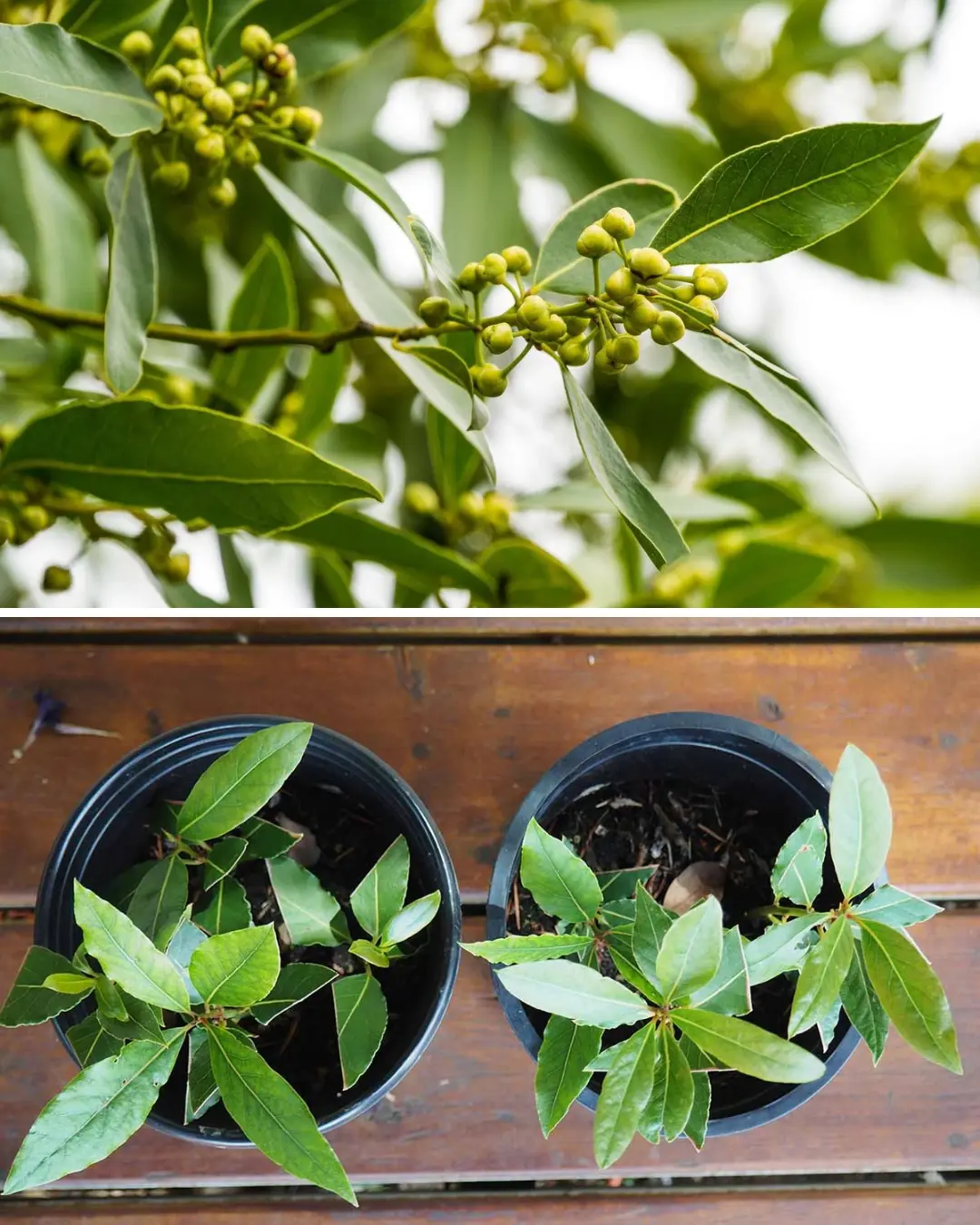
Bay laurel (Laurus nobilis) is a versatile herb that brings a touch of the Mediterranean into any kitchen. Its aromatic leaves are a staple in soups, stews, and sauces, and its elegant, glossy foliage can also enhance your indoor decor. While traditionally grown outdoors in warm climates, bay laurel can thrive indoors if given the right conditions. With a little attention, you can cultivate a compact bay laurel tree right on your kitchen counter, providing fresh leaves year-round.
When selecting a bay laurel for indoor growth, choose a young plant that is healthy and free of pests. A smaller tree, around 12 to 18 inches tall, is ideal for countertop cultivation, as it will be easier to manage and fit within your kitchen space. Potted bay laurel plants are widely available at garden centers, but ensure that the plant has firm, vibrant green leaves and a strong root system before bringing it home.
Selecting the Perfect Container
The container you choose plays a crucial role in the plant’s health. Bay laurel prefers well-draining soil, so select a pot with drainage holes at the bottom to prevent water from accumulating and causing root rot. Terracotta or ceramic pots are excellent choices, as they allow the soil to breathe while maintaining stable moisture levels. A pot that is slightly larger than the root ball will provide room for growth without overwhelming the plant.
Soil and Planting
Bay laurel thrives in a rich, well-draining potting mix. A mix formulated for Mediterranean herbs or a combination of standard potting soil with added sand or perlite works well. When planting, gently remove the plant from its nursery container, loosen the roots slightly, and place it in the new pot. Fill in the gaps with soil and lightly press down to eliminate air pockets. Water the plant thoroughly to help it settle into its new home.
Light Requirements
Bay laurel is a sun-loving plant that requires plenty of light to flourish indoors. Place your kitchen counter near a bright, south-facing window where it will receive at least six hours of sunlight daily. If natural light is limited, supplement with a full-spectrum grow light to provide the energy the plant needs for healthy growth. Rotate the plant occasionally to ensure even light exposure and prevent uneven growth.
Watering and Humidity
Maintaining consistent moisture is essential for an indoor bay laurel. Water the plant when the top inch of soil feels dry to the touch, allowing excess water to drain away. Avoid letting the soil become soggy, as this can lead to root problems. Bay laurel also appreciates moderate humidity. If your kitchen is particularly dry, especially during winter, consider using a small humidity tray or misting the leaves occasionally to mimic the plant’s natural environment.
Pruning and Maintenance
Pruning is key to keeping your bay laurel compact and manageable on a kitchen counter. Trim new growth to encourage branching and maintain the desired shape. Regularly remove yellow or damaged leaves to promote healthy growth and prevent pest infestations. Bay laurel is slow-growing, so pruning a few times a year is usually sufficient. Fertilize the plant every few months with a balanced, water-soluble fertilizer to support steady growth and vibrant foliage.
Harvesting Leaves
One of the main benefits of growing bay laurel indoors is the ability to harvest fresh leaves for cooking. Pick leaves as needed, selecting mature ones from the outer branches. Fresh leaves can be used immediately in recipes or dried for later use. Avoid removing more than one-third of the plant at a time to ensure it continues to grow healthily. Regular harvesting also encourages new growth, keeping your countertop tree full and lush.
Pest Management
Indoor bay laurel can occasionally attract pests such as scale insects or spider mites. Inspect the plant regularly, especially on the undersides of leaves. If pests are detected, wipe leaves with a damp cloth or treat with a gentle insecticidal soap. Maintaining proper air circulation and avoiding overwatering also reduces the risk of infestations.
Bringing a Touch of Nature Indoors
Growing a bay laurel tree on your kitchen counter is not only practical but also adds beauty and fragrance to your home. With the right light, water, and care, your plant can thrive for many years, providing fresh, aromatic leaves and a sense of connection to nature. This compact, manageable herb is perfect for small spaces and offers the satisfaction of nurturing a living ingredient for your favorite dishes. By integrating a bay laurel into your indoor garden, you combine culinary convenience with the calming presence of greenery, creating a kitchen that is both functional and inviting.
