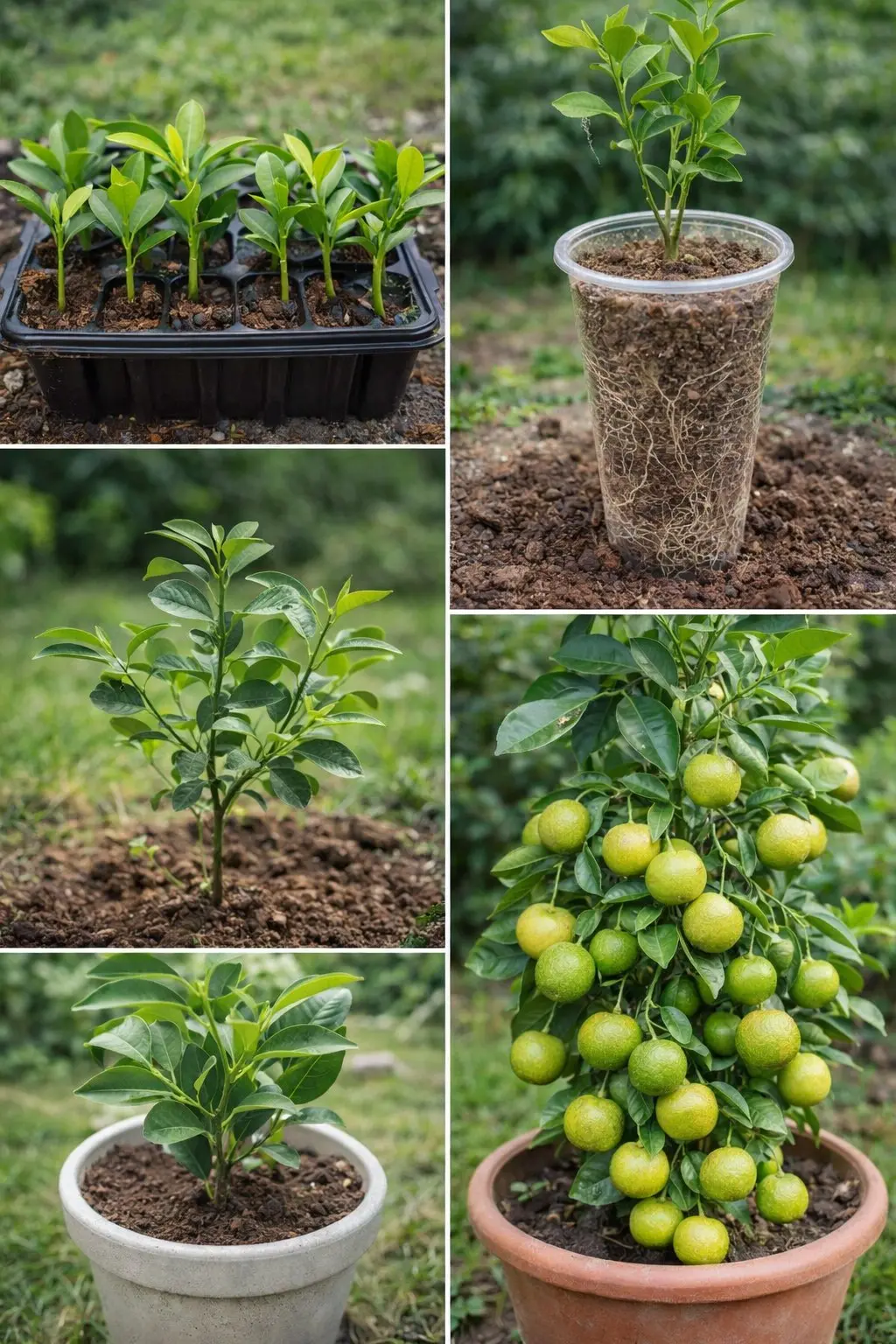
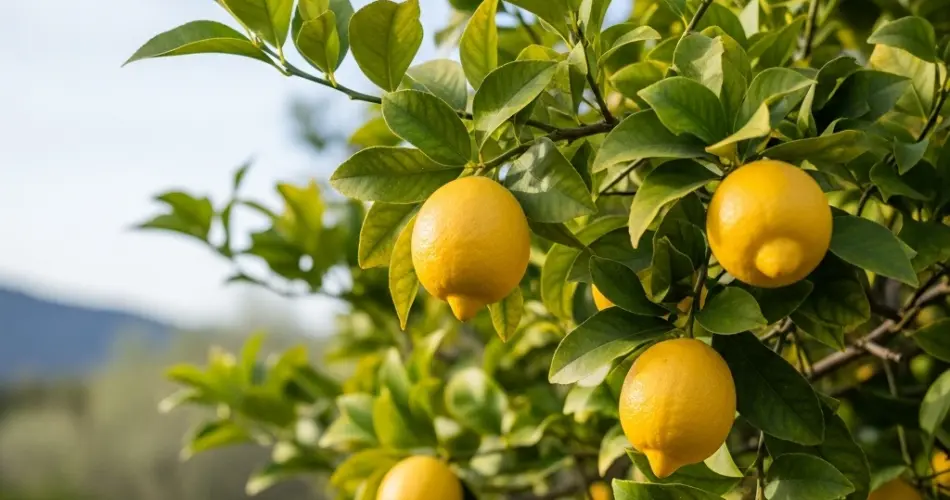
Growing a lemon tree from seed is a deeply satisfying project that transforms a simple kitchen scrap into a thriving citrus plant. Many gardeners avoid starting lemons from seed because they’ve heard it takes years to see results. While patience is certainly part of the process, the right techniques can dramatically speed up development and help you grow a healthy, vibrant lemon tree sooner than expected.
Whether you dream of harvesting fresh lemons, enjoying fragrant blossoms, or simply adding a lush green tree to your home or garden, this guide will walk you through every step to ensure success.
Why Start a Lemon Tree from Seed?
Planting a lemon tree from seed offers several unique advantages. First, it’s incredibly cost-effective. Instead of buying a young tree, you can use seeds from a lemon you already have. It’s an accessible way to begin gardening without a large investment.
There’s also a special satisfaction in nurturing a tree from its earliest stage. Watching the seed sprout, grow leaves, and slowly develop into a sturdy plant creates a deeper connection to your garden. Seed-grown trees may even develop slightly unique traits, making your lemon tree one of a kind.
Although grafted lemon trees tend to fruit faster, proper care and optimal conditions can help seed-grown trees grow vigorously and reach maturity more efficiently.
Step 1: Selecting and Preparing the Seeds
The foundation of a strong lemon tree begins with healthy seeds. Choose a fully ripe, fresh lemon. Avoid seeds that are shriveled or damaged, as these are less likely to germinate successfully.
Carefully remove the seeds and rinse them gently under water to eliminate any pulp residue. Leftover fruit can encourage mold during germination. For better results, soak the cleaned seeds in warm water for 8 to 12 hours. This softens the outer coating and jumpstarts the sprouting process.
Some gardeners carefully nick the outer seed coat with fine sandpaper or a nail file to speed up germination. While optional, this technique can help moisture penetrate the seed more quickly.
Step 2: Germinating for Strong Early Growth
Germination is one of the most important stages in developing a healthy lemon tree. Plant each seed about half an inch deep in a light, well-draining seed-starting mix. Small pots or seed trays work perfectly at this stage.
Keep the soil consistently moist but never soggy. Excess water can suffocate the seed and cause rot. Lemon seeds thrive in warmth, so aim for temperatures between 70–75°F (21–24°C). Covering the pot with plastic wrap or a humidity dome helps retain moisture and warmth during germination.
Place the container in a bright area but avoid direct sunlight until the seedlings emerge. Most seeds sprout within two to four weeks, though some may take slightly longer.
Step 3: Caring for Young Seedlings
Once seedlings appear, remove any plastic covering to reduce humidity and prevent fungal issues. Young lemon plants require plenty of light—ideally 10 to 12 hours daily. A sunny window works well, but grow lights are especially helpful in low-light seasons.
Water carefully. Allow the top inch of soil to dry before watering again. Consistent moisture encourages steady growth without risking root problems.
When the seedlings develop their second set of true leaves, begin feeding them with a diluted, balanced liquid fertilizer every two to three weeks. This provides essential nutrients during early development. As the seedlings grow stronger, transplant them into slightly larger pots to give their roots more space.
Strong seedlings form the foundation for a thriving tree later on.
Step 4: Transplanting and Shaping the Tree
When your lemon tree reaches about 6 to 12 inches tall, it’s ready for a larger container or outdoor planting in suitable climates. Choose nutrient-rich, well-draining soil and a pot with proper drainage holes.
Lemon trees love sunlight. Select a location that receives at least six hours of direct sun each day. More sunlight generally leads to faster, healthier growth.
Early pruning helps shape your tree and encourages bushier growth. Pinch off the top of the young stem to stimulate side branches. Removing weak or crowded branches improves airflow and ensures light reaches all parts of the plant. If necessary, use a small stake to help the tree grow upright and strong.
Step 5: Feeding and Watering for Rapid Development
Proper feeding plays a major role in accelerating growth. Lemon trees benefit from fertilizers designed specifically for citrus plants. These formulas typically contain higher levels of nitrogen, along with balanced phosphorus and potassium.
During spring and summer, fertilize every six weeks to support active growth. Reduce feeding during cooler months when growth slows naturally.
Water deeply but allow the soil to dry slightly between watering sessions. Lemon trees dislike constantly wet roots. Adding mulch around the base helps retain moisture and regulate soil temperature, especially for outdoor plants.
Balanced watering and feeding create the ideal environment for rapid, healthy development.
Step 6: Preventing Pests and Problems
A healthy tree grows faster and stronger, so preventing pests and diseases is essential. Watch for common issues such as aphids, spider mites, or scale insects. Treat infestations quickly using insecticidal soap or neem oil.
Ensure good air circulation around the plant to prevent fungal diseases. Avoid overhead watering, which can encourage leaf problems. Regularly inspect the leaves for discoloration or damage so you can address concerns early.
Step 7: Encouraging Early Flowers and Fruit
Although seed-grown lemon trees require time before fruiting, you can encourage earlier flowering with proper care. Provide consistent full sunlight and avoid excessive nitrogen fertilizer, which promotes leafy growth over flowers.
Prune strategically to stimulate strong branch structure, which supports flower production. Maintain steady watering and avoid extreme stress conditions. With patience and attention, your lemon tree will eventually reward you with fragrant blossoms that lead to fruit.
A Rewarding Journey
Growing a lemon tree from seed may take dedication, but the process is both educational and fulfilling. From selecting seeds to shaping a young tree, each step brings you closer to cultivating a vibrant citrus plant.
With warmth, sunlight, careful feeding, and thoughtful pruning, you can significantly accelerate growth and develop a stunning lemon tree faster than many expect. Whether it eventually produces fruit or simply enhances your home with glossy green leaves and fragrant blooms, your lemon tree will stand as a testament to your patience and care.
Start today, and watch a simple seed transform into a thriving citrus tree that brightens your garden for years to come.
