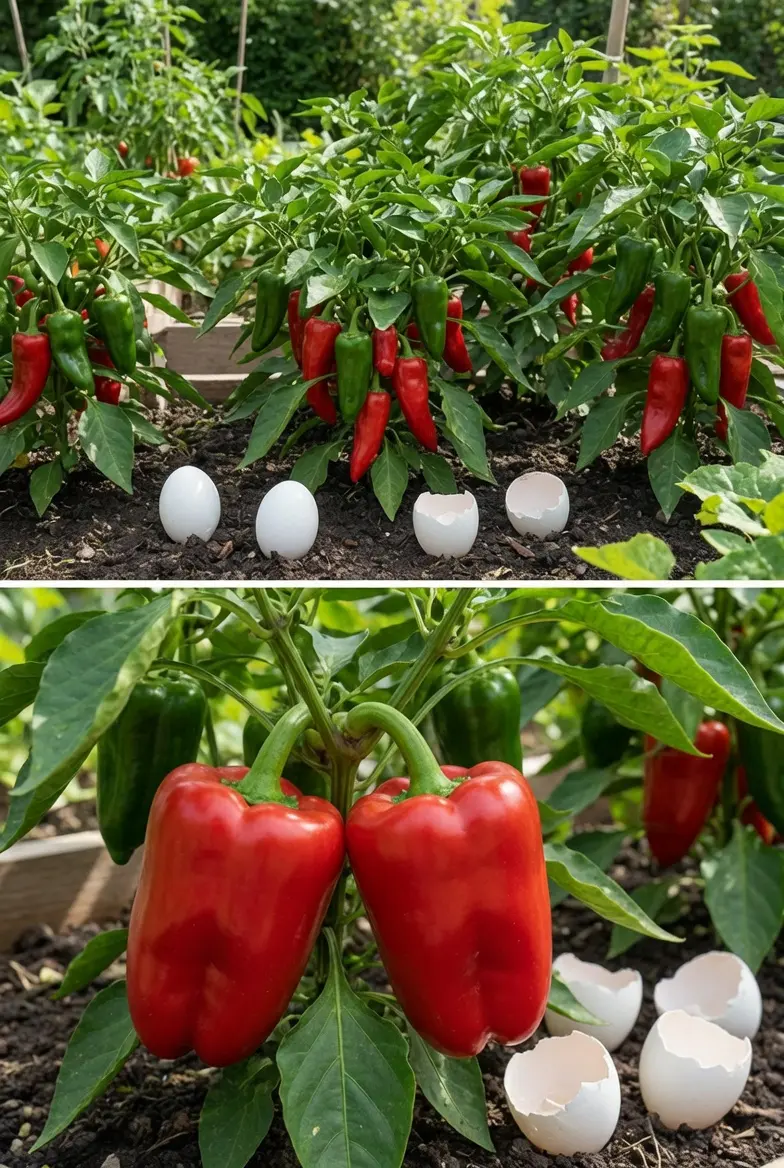
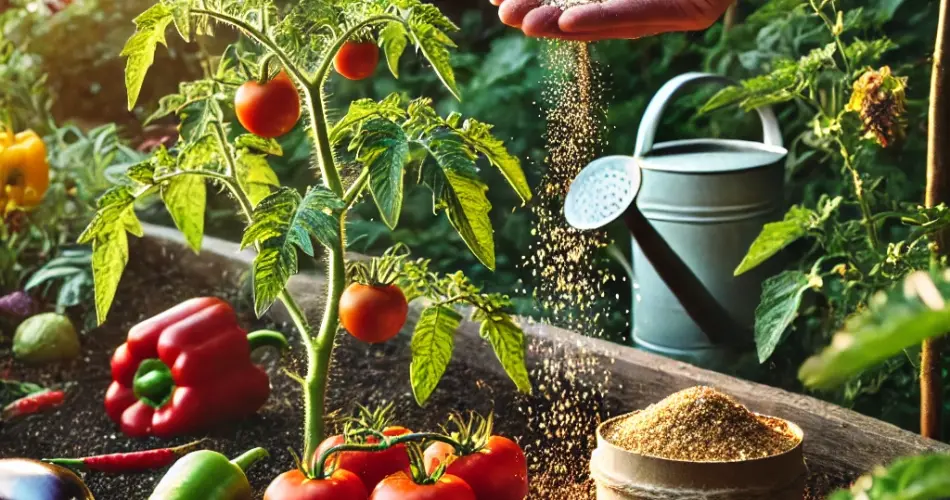
A thriving vegetable garden brimming with vibrant, ripe fruits is every gardener’s dream. From juicy tomatoes and crisp peppers to tender eggplants and cucumbers, the rewards of nurturing plants from seed to harvest are unmatched. However, even the most carefully tended crops can face challenges. One common problem that frustrates gardeners is the premature decay or discoloration of fruits, often caused by a nutrient imbalance in the soil. Fortunately, a simple and eco-friendly solution lies right in your kitchen: eggshells.
Understanding Calcium Deficiency and Blossom End Rot
Blossom end rot is a widespread issue in vegetable gardens, particularly affecting tomatoes, peppers, and eggplants. The underlying cause is a lack of calcium—either due to soil deficiency or poor calcium absorption by the plants. Calcium is essential for building strong cell walls, maintaining fruit integrity, and promoting overall plant health. Without it, fruits develop brown, sunken spots at the blossom end, leading to rot and reduced yield.
The key to preventing blossom end rot is early intervention. Calcium should be introduced to the soil at planting or during the early flowering stage. Applying it too late can limit its effectiveness, resulting in poor fruit quality and potentially lower harvests.
Why Eggshells Are a Natural Solution
Eggshells are an abundant, organic source of calcium, containing about 90% of this essential mineral. They also provide other nutrients, including iron, copper, manganese, phosphorus, molybdenum, magnesium, and trace proteins, making them a complete, natural supplement for your garden. A single teaspoon of finely ground eggshell powder can deliver approximately 800 to 1000 mg of calcium to your plants.
By repurposing eggshells, you not only reduce kitchen waste but also enhance soil health, improve structure, and support better water retention and nutrient uptake. Calcium helps plants resist drought, strengthens stems, and prevents rot, ensuring larger and healthier fruits throughout the growing season.
Preparing Eggshells for Garden Use
To maximize the benefits, eggshells should be prepared properly:
- Wash thoroughly to remove any egg residue and prevent odors or bacterial contamination.
- Dry completely to ensure they grind easily and decompose efficiently in soil.
- Crush or grind into small pieces or fine powder. Powdered eggshells release nutrients more quickly, while coarser pieces provide a slow-release calcium source.
When and How to Apply Eggshells
At Transplanting:
Sprinkle crushed eggshells into planting holes when transplanting seedlings. This provides young plants with a steady calcium supply as their roots establish. Mixing powdered eggshells with compost, humus, or well-rotted manure ensures immediate nutrient availability.
Seasonal Soil Enrichment:
Because eggshells decompose slowly, applying them in the fall gives calcium time to integrate into the soil before the next planting season. During the growing season, additional calcium can be supplied by sprinkling eggshell powder around the base of plants and gently watering it in.
Container Gardens and Potting Soil:
Place crushed eggshells at the bottom of pots or mix them into potting soil to enhance drainage and nutrient content. For extra benefits, combine eggshells with nitrogen-rich coffee grounds to improve soil aeration and reduce acidity.
Eggshell-Infused Water:
Soak eggshells in water overnight, optionally adding coffee grounds in a 1:4 ratio. Use this nutrient-rich water to irrigate plants, providing a gentle, gradual release of calcium while promoting soil microbial activity.
Eggshell-Vinegar Solution:
For a fast-acting calcium foliar feed, dissolve ground eggshells in apple cider vinegar. The acetic acid reacts with calcium carbonate, producing a bioavailable solution. Allow the mixture to sit for at least 21 days or until foaming stops, then strain. Dilute 2–3 tablespoons in 1 liter of water and spray on plant leaves to prevent deficiencies, particularly during hot summer months when calcium uptake from soil may be limited.
Mulching Benefits:
Incorporating eggshells into mulch helps retain soil moisture, suppress weeds, and slowly release nutrients. Mulched gardens maintain more stable soil conditions, enabling consistent calcium absorption and healthier plant growth.
Recognizing Calcium Deficiency
Calcium-deficient plants show early warning signs that include:
- Browning and rotting at the blossom end of fruits
- Chlorosis or yellowing of young leaves
- Slow growth and weak root development
- Curled or darkened leaf tips
- Increased susceptibility to disease and environmental stress
Applying eggshells proactively helps prevent these symptoms and ensures plants remain strong, resilient, and productive.
Long-Term Eggshell Use
Collecting eggshells consistently allows gardeners to maintain a steady supply for soil enrichment. Whether used in powder form, composted, incorporated into planting holes, or applied as a foliar spray, eggshells offer a natural, low-cost alternative to chemical fertilizers. Regular application improves soil health, strengthens plant tissues, and enhances overall garden productivity.
Conclusion
Eggshells are more than just kitchen waste—they are a powerful, natural ally in gardening. By providing a steady source of calcium, improving soil structure, and enhancing nutrient uptake, eggshells help prevent blossom end rot and support robust plant growth. From sprinkling crushed shells into planting holes to creating nutrient-rich foliar sprays, there are many ways to integrate this organic solution into your gardening routine.
By starting early, applying consistently, and combining eggshells with other organic amendments, you can enjoy larger, healthier, rot-free fruits all season long. Embrace the simplicity of eggshell gardening and watch your vegetable garden thrive.
