Have you ever planted seeds only to watch them sit in the soil for weeks without sprouting? The problem may not be your soil, watering, or gardening skills—it could be that some seeds need a period of cold before they can wake up.
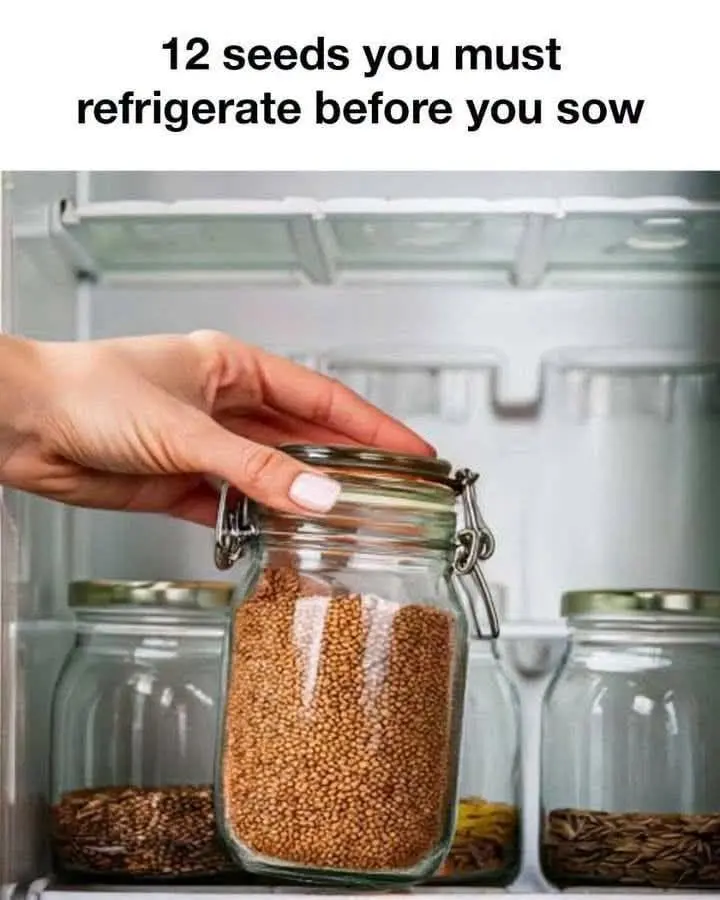
Many flowers, herbs, trees, and shrubs naturally spend winter outdoors before germinating in spring. To imitate this natural process, gardeners use a technique called cold stratification, which simply means exposing seeds to cold, moist conditions for a specific period before planting.
Refrigerating certain seeds can dramatically improve germination rates, reduce sprouting time, and produce stronger seedlings.
Here’s everything you need to know.
What Is Cold Stratification?
Cold stratification is the process of placing seeds in a cool, moist environment—typically between 34°F and 41°F (1°C to 5°C)—for several weeks before sowing.
In nature, seeds fall to the ground in autumn, remain dormant throughout winter, and begin growing when temperatures rise in spring.
The refrigerator allows gardeners to recreate these winter conditions indoors.
Without this cold period, many seeds remain dormant because their protective coatings contain natural chemicals that prevent germination until winter has passed.
Why Some Seeds Need Refrigeration
Cold stratification helps by:
- Breaking natural dormancy
- Softening hard seed coats
- Activating enzymes needed for growth
- Improving germination percentages
- Producing healthier seedlings
- Creating more even germination
Some gardeners see germination rates increase from less than 20% to over 80% after proper stratification.
12 Seeds That Benefit From Refrigeration
1. Lavender
Lavender seeds germinate much more reliably after 3–6 weeks in the refrigerator.
Cold treatment often doubles germination rates.
2. Milkweed
Essential for butterfly gardens, milkweed naturally requires winter before sprouting.
Recommended cold period:
30–45 days
3. Echinacea (Coneflower)
Coneflowers respond well to approximately one month of cold stratification.
Expect stronger and more uniform seedlings.
4. Delphinium
These beautiful cottage-garden flowers germinate much better after refrigeration.
Recommended time:
2–3 weeks
5. Columbine
Columbine seeds are famous for needing cold before they awaken.
Without refrigeration, they may take months—or never sprout at all.
6. Lupine
Lupine seeds benefit from refrigeration, although lightly scratching (scarifying) the seed coat beforehand can improve success even further.
7. Primrose
Primrose seeds often require:
4–8 weeks of cold treatment.
This dramatically increases germination.
8. Hellebores
These shade-loving perennials naturally germinate after experiencing winter conditions.
Cold stratification helps mimic their natural life cycle.
9. Black-Eyed Susan
While not always essential, refrigeration significantly improves consistency and speed.
10. Peonies
Peony seeds are slow by nature.
Many gardeners refrigerate them before sowing to improve success.
11. Apple Seeds
Growing apple trees from seed?
The seeds should be refrigerated for approximately:
6–8 weeks
before planting.
12. Maple Tree Seeds
Many maple species require:
60–120 days
of cold stratification before they will germinate successfully.
How to Cold Stratify Seeds
The process is surprisingly simple.
Step 1
Lightly moisten a paper towel, coffee filter, or peat moss.
It should be damp—not dripping wet.
Step 2
Place the seeds inside the moist material.
Step 3
Seal everything inside a labeled zip-top plastic bag or airtight container.
Include:
- Seed name
- Start date
- Recommended refrigeration period
Step 4
Store the bag in your refrigerator—not the freezer.
Ideal temperature:
34°F–41°F (1°C–5°C)
Step 5
Check the seeds weekly.
If mold appears:
- Replace the paper towel
- Use fresh moisture
- Clean the bag if necessary
Step 6
When the recommended chilling period ends, plant the seeds immediately.
Many will begin germinating within days.
Seeds That Should NOT Be Refrigerated
Seeds That Should NOT Be Refrigerated
Not every seed benefits from cold treatment.
Avoid refrigerating:
- Tomatoes
- Peppers
- Cucumbers
- Squash
- Melons
- Corn
- Beans
- Peas
- Basil
- Zinnias
- Marigolds
- Sunflowers
These warm-season plants typically germinate best in warm soil without any cold exposure.
Tips for Better Germination
To maximize success:
- Always use fresh seeds.
- Label every bag with dates.
- Keep the medium moist but never soggy.
- Don’t freeze the seeds.
- Plant promptly after refrigeration.
- Provide the correct soil temperature once planted.
- Use a seed-starting mix rather than heavy garden soil.
Common Mistakes to Avoid
Many gardeners accidentally reduce germination by making one of these mistakes:
- Refrigerating seeds that don’t require stratification
- Letting the paper towel dry out
- Allowing excessive moisture that causes mold
- Freezing seeds instead of chilling them
- Removing seeds too early
- Forgetting to label bags
Is Cold Stratification Always Necessary?
Not always.
Some seed suppliers already pre-treat their seeds before packaging.
Always read the seed packet carefully.
If the packet mentions:
- Cold stratification
- Pre-chilling
- Refrigeration before planting
then following those instructions can greatly improve your success.
Final Thoughts
Cold stratification is one of the simplest yet most overlooked gardening techniques. By recreating the natural winter conditions many plants expect, you can unlock better germination, healthier seedlings, and more successful gardens.
Whether you’re growing fragrant lavender, colorful coneflowers, majestic maple trees, or butterfly-friendly milkweed, a few weeks in the refrigerator may be the difference between poor results and a thriving garden. Before sowing your next batch of seeds, check whether they benefit from a winter-like chill—you may be surprised at how much of a difference this small step can make.
