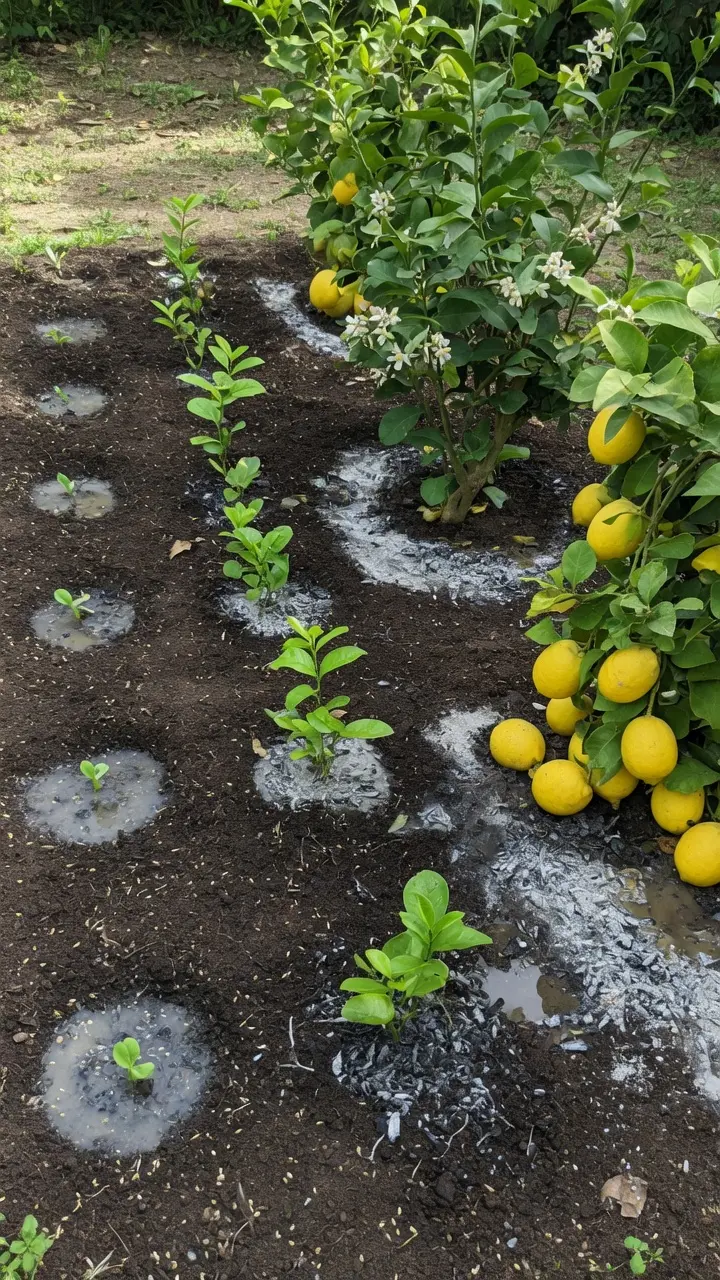
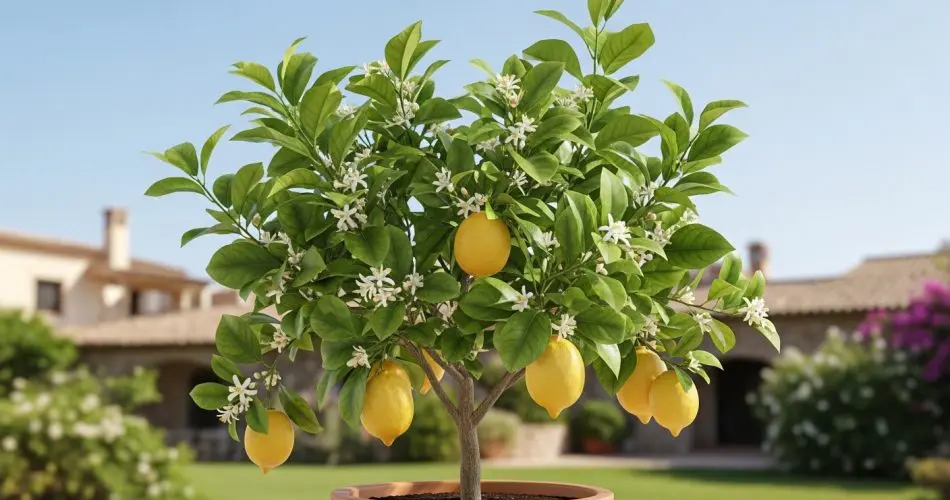
Growing a lemon tree in a pot is a rewarding way to enjoy fresh citrus even if you have limited space. With the right care and techniques, a single potted tree can produce a generous harvest of fragrant lemons year after year. Citrus trees—including lemons, limes, oranges, grapefruit, and yuzu—share similar growing requirements, which means that mastering a few essential practices can dramatically improve their flowering and fruiting.
If you want your potted lemon tree to stay healthy and productive, the following ten tips will help you grow a vigorous plant that produces plenty of juicy lemons.
1. Choose the Right Pot Size
The size of the container plays a crucial role in the health of a lemon tree. A pot that is too small will restrict root growth, limiting the plant’s ability to absorb nutrients and water. Ideally, start with a pot that is at least 12–16 inches wide for young trees. As the tree grows, repot it into larger containers to give the roots more room to expand.
Always choose a container with drainage holes at the bottom. Good drainage prevents water from accumulating around the roots, which can lead to root rot.
2. Use Well-Draining Soil
Lemon trees prefer light, well-draining soil. Heavy soil that retains too much moisture can suffocate the roots. A good potting mix for citrus trees typically contains garden soil, sand, compost, or organic matter.
A popular mixture is:
- 40% garden soil
- 30% sand or perlite
- 30% compost or well-decomposed manure
This blend allows water to drain quickly while still holding enough moisture and nutrients for the tree.
3. Provide Plenty of Sunlight
Citrus trees thrive in bright sunlight. Lemon trees need at least 6–8 hours of direct sunlight each day to produce healthy leaves, flowers, and fruit.
Place your potted lemon tree in a sunny location such as a balcony, patio, terrace, or near a south-facing window. Insufficient sunlight is one of the most common reasons for poor flowering and fruit drop.
4. Water Properly
Proper watering is essential for citrus trees in containers. Lemon trees prefer soil that is consistently moist but never soggy.
Water the plant deeply until excess water drains out of the pot. Allow the top layer of soil to dry slightly before watering again. During hot weather, the tree may require more frequent watering, while in cooler seasons watering should be reduced.
Overwatering can cause root rot, while underwatering can stress the tree and reduce fruit production.
5. Feed the Tree with the Right Fertilizer
Lemon trees are heavy feeders and require regular fertilization to produce abundant fruit. Apply a balanced fertilizer rich in nitrogen, phosphorus, and potassium.
Organic options such as compost, vermicompost, or well-rotted manure work very well. You can also use citrus-specific fertilizers that contain micronutrients like magnesium, zinc, and iron, which are essential for healthy growth.
Fertilize the tree every 3–4 weeks during the active growing season.
6. Add Micronutrients
Sometimes lemon trees may show yellow leaves or slow growth due to micronutrient deficiencies. Elements such as magnesium, iron, and zinc play an important role in leaf development and fruit formation.
Adding Epsom salt (magnesium sulfate) occasionally to the soil can help boost leaf health and support flowering. Always apply micronutrients in moderation to avoid overfeeding.
7. Prune the Tree Regularly
Pruning helps maintain the shape of the lemon tree and encourages new growth. Remove weak, damaged, or overcrowded branches to improve airflow and sunlight penetration.
Light pruning also stimulates the plant to produce more branches, which can lead to more flowering sites and ultimately more fruit.
8. Control Pests Naturally
Citrus trees are sometimes affected by pests such as aphids, scale insects, spider mites, and whiteflies. These pests feed on the plant’s sap and weaken the tree.
Natural pest control methods work well for potted lemon trees. Neem oil spray, insecticidal soap, or a simple solution of water and mild soap can help eliminate many common pests. Regular inspection of the leaves—especially the undersides—can help catch infestations early.
9. Ensure Good Air Circulation
Good air circulation is important for preventing fungal diseases and promoting healthy growth. Avoid placing the pot in overcrowded areas where air movement is limited.
If you are growing the tree indoors or on a balcony, make sure it receives fresh air regularly. Proper airflow also helps pollination and reduces the risk of mold or mildew.
10. Encourage Flowering and Fruit Development
To maximize fruit production, maintain consistent care throughout the growing season. Proper sunlight, balanced nutrition, and correct watering encourage strong flowering.
When flowers appear, avoid disturbing the plant too much. In some cases, gently shaking the branches can help with pollination if the tree is grown indoors. Once fruits start developing, ensure the tree continues receiving adequate nutrients and water.
Final Thoughts
Growing a lemon tree in a pot can be surprisingly productive when the plant receives proper care. By selecting the right container, providing well-draining soil, ensuring abundant sunlight, and maintaining regular feeding, you can transform a small citrus plant into a thriving fruit producer.
With these ten practical tips, even a single potted lemon tree can reward you with dozens of fragrant lemons each season. Whether placed on a terrace, balcony, or sunny garden corner, a healthy citrus tree not only provides delicious fruit but also adds beauty and fragrance to your home garden
