
In the quest for efficient irrigation solutions, gardeners are always on the lookout for innovative methods. This DIY project offers a surprising and ingenious way to create slow-drip irrigation pods using broken terracotta shards and pantyhose. These pods are perfect for providing consistent moisture to plants, especially during dry seasons. By utilizing materials that are often discarded, this project not only solves the problem of waste but also enhances plant care by slowly releasing water into the soil.
This DIY is perfect for rustic or cottage-style gardens where natural elements are favored. The slow-drip irrigation pods can be used in vegetable gardens to keep tomatoes and peppers hydrated, in herb gardens to maintain moisture for basil and mint, or in flower beds to ensure consistent watering for blooms like marigolds and zinnias. Ideal for raised beds, container gardening, or along borders, these pods blend seamlessly into the garden aesthetic.
Terracotta and Pantyhose Slow-Drip Irrigation Pods
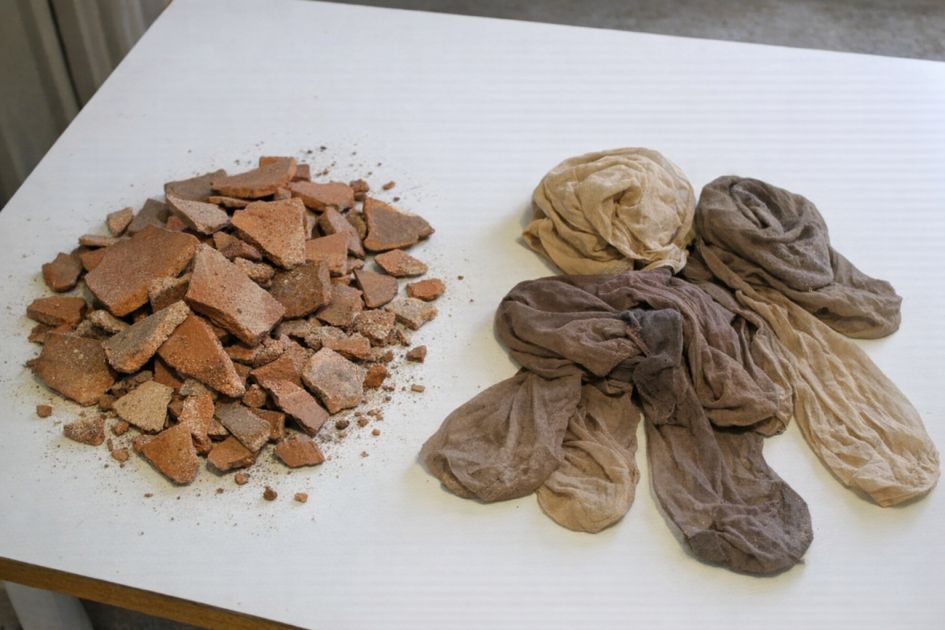
Materials
Broken terracotta pot shards (approximately 3-4 inches in length)
Pantyhose (preferably tan or skin-toned for camouflage)
Garden spade or small shovel
Directions
1. Collect broken terracotta shards from old pots, ensuring each piece is roughly 3-4 inches long to hold a fair amount of water.
2. Cut a section of pantyhose to wrap around a shard, leaving enough excess to tie off securely.
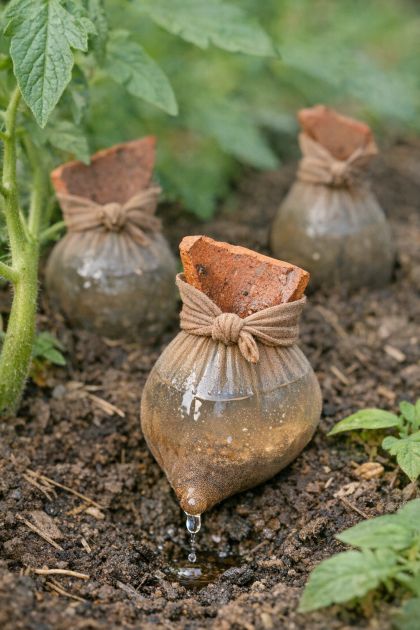
3. Place a shard in the center of the pantyhose section and wrap it tightly, forming a compact bundle.
4. Secure the pantyhose around the shard by tying a knot at the open end, ensuring it is snug and won’t unravel.
5. Using a garden spade or small shovel, dig a hole in the desired location of your garden bed, approximately 6 inches deep.
6. Bury the wrapped shard in the hole, ensuring it is deep enough to be in contact with the root zone of your plants.
7. Cover with soil and water the area to activate the slow-drip process.
Variations & Tips
For variations, consider using different colors of pantyhose to blend with various soil types. In wetter climates, reduce the number of pods to prevent overwatering. For drier regions, increase the number of pods and use larger shards for extended moisture release. For specific plants like succulents, use smaller shards to avoid excess moisture. Experiment with adding a small amount of organic compost to the pantyhose wrapping for an added nutrient boost.
