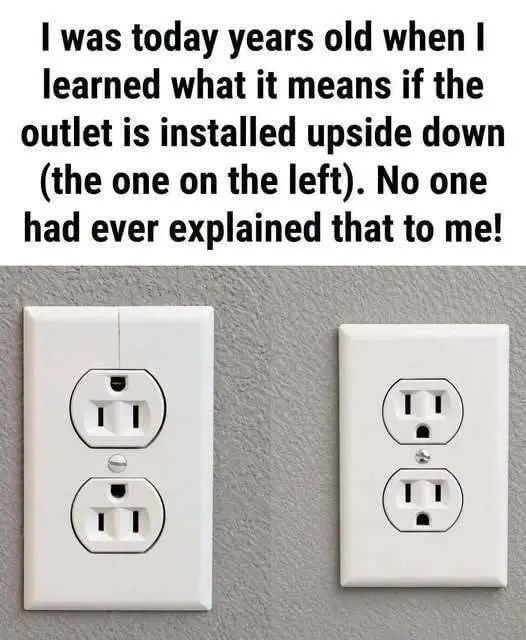
Have you ever walked into a house and noticed that one electrical outlet looks like it was installed upside down?
At first glance, it can seem like a mistake. After all, most outlets are installed with the small ground opening facing downward. But in some homes, you’ll find outlets installed with the ground opening on top.
And surprisingly, that doesn’t necessarily mean the electrician made a mistake.
There is actually a practical reason why some electricians and homeowners intentionally install receptacles this way.
🔌 What Does “Upside Down” Actually Mean?
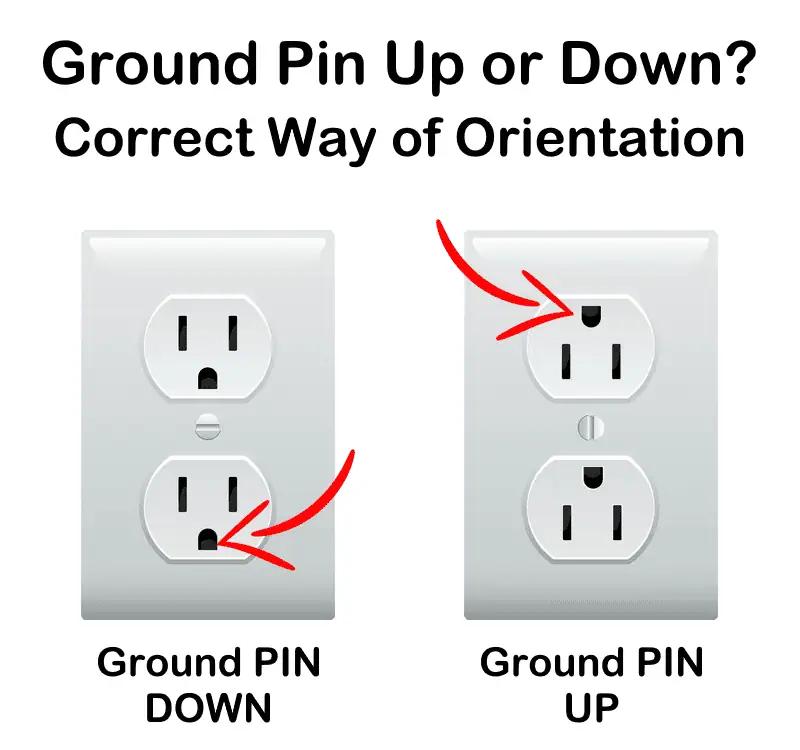
Look closely at a standard North American electrical receptacle.
It has three openings:
- Two vertical slots for the electrical blades
- One round opening for the grounding pin
In the most familiar orientation, the grounding hole is at the bottom.
When the receptacle is rotated 180 degrees, the grounding hole is at the top.
Electrically, simply rotating the receptacle does not change how the outlet works.
The important electrical connections remain the same.
So why would anyone choose one orientation over the other?
⚡ The Main Reason: Safety
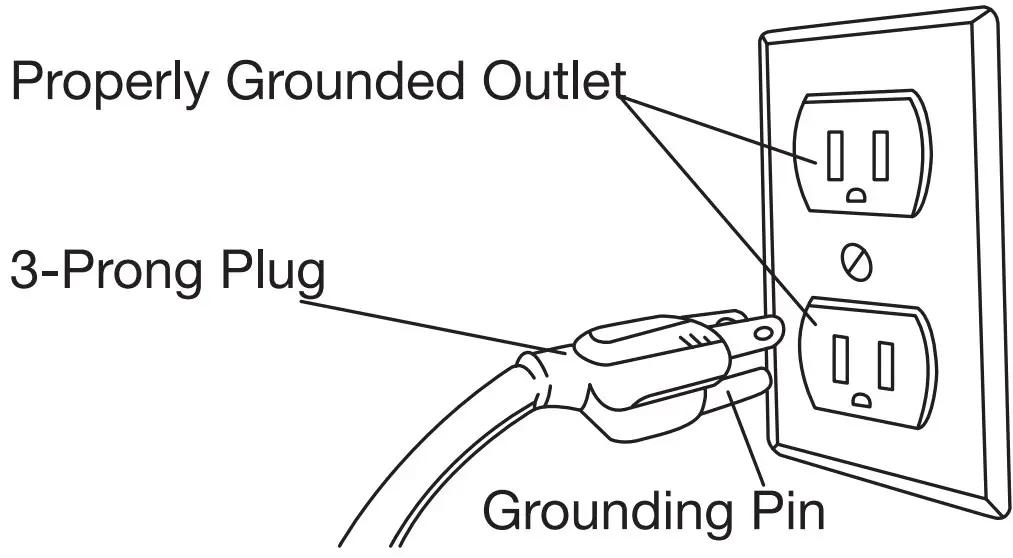
One of the arguments for installing a receptacle with the grounding hole on top involves what could happen if a plug is only partially inserted.
Imagine a heavy electrical plug being pulled downward by its cord.
If the plug becomes partially disconnected and a metal object were to fall onto it, the orientation of the receptacle can affect which part of the plug might be contacted first.
With the grounding pin positioned at the top, some electricians argue that a falling conductive object is more likely to contact the grounding portion first rather than bridging the energized conductors.
The idea is simple:
Ground first, energized contacts second.
This is one reason you may see the “ground-up” orientation in certain commercial, industrial or specialized installations.
However, this is not a universal rule, and the preferred orientation can depend on local electrical codes, installation practices and the type of receptacle.
🏠 Why Do Most Homes Have the Ground Hole Down?
If ground-up installation has a potential safety advantage in some situations, you might wonder:
Why are residential outlets so often installed with the ground hole facing downward?
There isn’t a single worldwide standard requiring one orientation.
In many residential installations, electricians traditionally install receptacles with the ground pin down simply because it is the familiar convention.
It also works perfectly well electrically.
For decades, homeowners have used this orientation without any problem.
In other words, seeing the ground hole at the bottom doesn’t mean your outlet is unsafe.
🔧 Is an “Upside-Down” Outlet Actually Wrong?
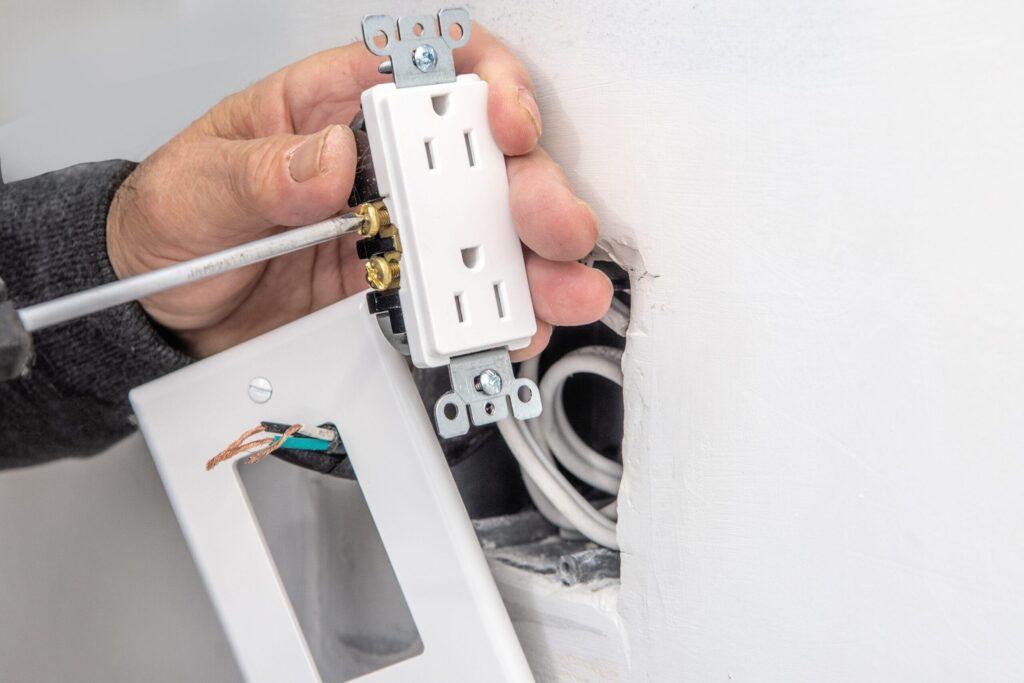
Not necessarily.
This is probably the biggest misconception surrounding the viral image.
An electrical receptacle can often be installed either way, depending on applicable electrical requirements and the installation.
The orientation itself does not determine whether an outlet is correctly wired.
What matters much more is:
- Proper wiring
- Correct grounding
- Appropriate circuit protection
- Correct polarity
- Secure connections
- Properly rated components
- Compliance with local electrical codes
An outlet that looks “upside down” isn’t automatically defective.
👀 There Is Another Interesting Reason Electricians Do This
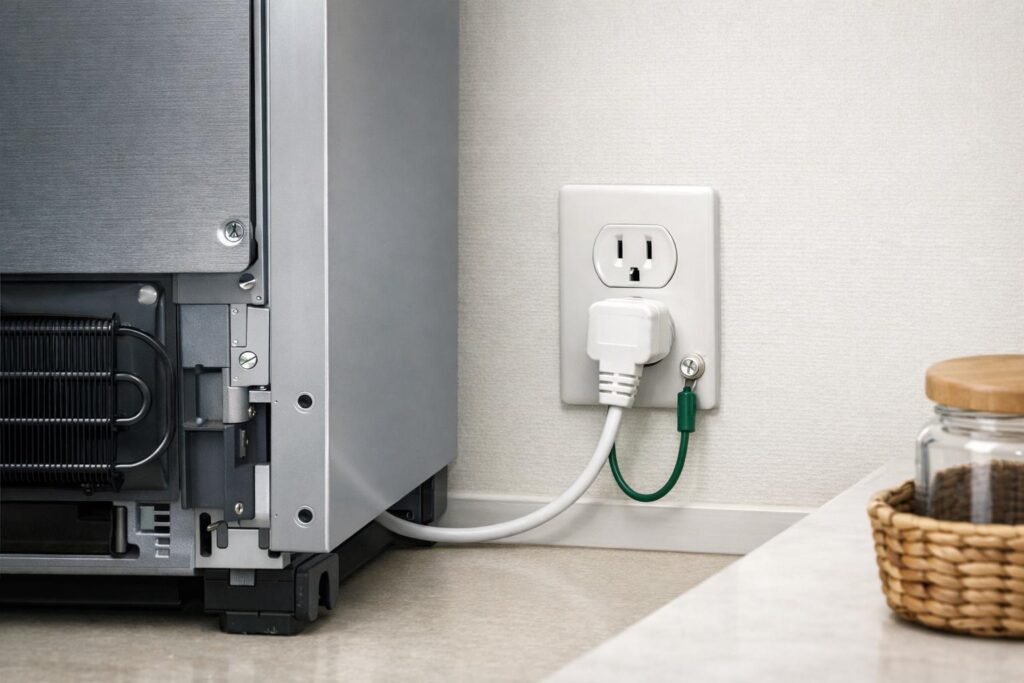
Sometimes the orientation can be used as a visual signal.
For example, an electrician might install a particular receptacle orientation to indicate something about the circuit or installation.
In some environments, unusual orientation can help distinguish a particular type of receptacle or circuit from ordinary outlets.
But this isn’t universal either.
Different electricians, contractors and jurisdictions may use different conventions.
That’s why you shouldn’t assume:
“Ground hole up means this outlet has a special circuit.”
It might—but it might simply have been installed that way.
🔌 What About the Plug Itself?
TO CONTINUE READING THE ARTICLE PLEASE SEE PAGE 2
🔌 What About the Plug Itself?
Here’s another reason the orientation debate gets interesting.
Many plugs are relatively loose-fitting once inserted into a receptacle.
If a plug is only partially inserted, the exposed metal portions can potentially create a hazard.
The ground-up argument is based partly on the idea that if something conductive were to fall across the plug, having the grounding pin positioned above the energized blades could reduce the chance of creating a dangerous connection.
This is particularly relevant around:
- Workshops
- Garages
- Construction areas
- Industrial equipment
- Commercial installations
- Locations where cords are frequently pulled or moved
But again, the exact safety implications depend on the equipment, plug design and installation.
🧰 What About Electrical Code?
This is where things get important.
Electrical codes vary by country and jurisdiction.
In the United States, the National Electrical Code generally does not impose one universal orientation for ordinary receptacles simply because the ground pin is supposed to face one particular direction.
Local rules and specific installation requirements can still apply.
In other countries, receptacle designs and standards may be completely different.
Therefore, you shouldn’t rotate an outlet yourself simply because you’ve seen an image claiming that one orientation is “the correct way.”
⚠️ Don’t Try to Fix It Just Because It Looks Different
If you discover an outlet with the ground opening facing upward, don’t automatically assume it needs to be turned around.
If the outlet is functioning correctly and the installation complies with applicable electrical requirements, its orientation may be intentional.
Turning it around requires removing the cover, loosening the receptacle and working with electrical wiring.
That isn’t a good DIY project for someone who isn’t qualified to work on electrical systems.
Always turn off the appropriate circuit and follow local electrical requirements—or, better yet, have a qualified electrician handle it.
🚨 What Should You Actually Be Worried About?
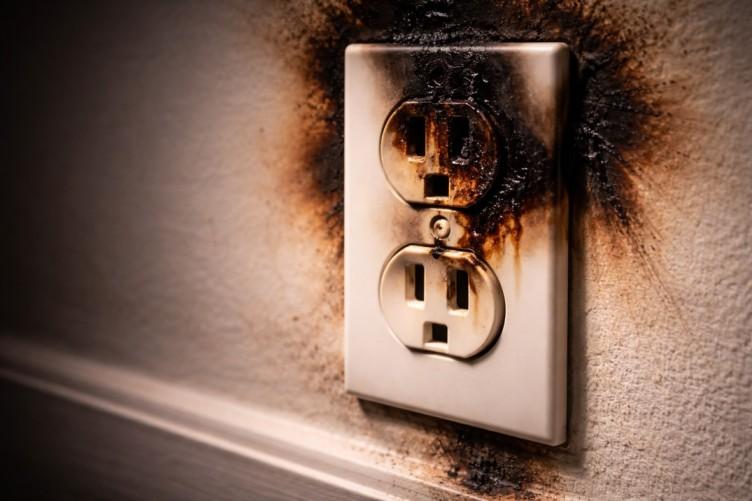
The orientation of the receptacle is usually much less important than the condition and wiring of the outlet.
Pay attention if you notice:
🔥 Heat
If an outlet becomes unusually warm or hot, stop using it and have it inspected.
⚡ Sparks
A small spark can occasionally occur when plugging in certain devices, but repeated sparking, large sparks or burning smells deserve attention.
👃 Burning smell
A smell of burning plastic or electrical insulation is a serious warning sign.
🟤 Discoloration
Brown, black or melted areas around a receptacle can indicate overheating.
🔌 Loose plugs
If plugs constantly fall out or don’t fit securely, the receptacle may need replacement.
📢 Buzzing or crackling
Unusual electrical sounds should not be ignored.
These problems are much more significant than whether the ground opening points upward or downward.
🤔 So Which Way Should an Outlet Face?
There isn’t one simple answer that applies to every installation.
Ground hole down
This is the orientation many people are accustomed to seeing in homes.
Ground hole up
This may be intentionally used in certain installations and can have a practical safety rationale.
Ground hole sideways
You may also encounter this orientation, particularly where installation conditions or specific equipment make it convenient.
The key point is:
The outlet’s orientation alone doesn’t tell you whether the installation is safe or unsafe.
💡 The Detail Most People Miss
The viral image makes it look as though someone discovered a secret rule that electricians don’t tell homeowners.
The reality is more interesting.
There isn’t a universal rule saying that every residential outlet should be installed upside down.
The ground-up orientation is a legitimate installation choice in some circumstances, and there are safety arguments for it.
But an ordinary ground-down receptacle isn’t automatically wrong.
What really matters is whether the electrical installation is properly wired, grounded, protected and compliant with the applicable electrical requirements.
🏡 What Should Homeowners Check Instead?
If you’re curious about the electrical outlets in your home, don’t just look at their orientation.
Instead, look for signs of potential problems.
Make sure outlets aren’t:
- Loose inside the wall
- Cracked
- Burned or discolored
- Hot to the touch
- Producing unusual sounds
- Sparking repeatedly
- Missing required protection where applicable
If something seems wrong, have it checked by a qualified electrician.
The Bottom Line
So, was the outlet in the picture installed incorrectly?
Not necessarily.
The receptacle on the left has its grounding opening at the top, while the one on the right has it at the bottom. Both orientations can be seen in real-world electrical installations.
The “upside-down” orientation can be intentional and is sometimes chosen for safety or practical reasons.
But the idea that every outlet should have the ground hole facing upward is misleading.
The next time you see one installed differently, don’t immediately assume the electrician got it wrong.
There may be a reason behind it.
And now that you know what that little third hole is actually for, you’ll probably start noticing outlet orientation everywhere you go. 🔌👀
