Have you ever noticed how certain plants have an incredibly strong smell?
Rosemary, lavender, basil, lemongrass, lemon balm and catnip are not only beautiful and useful herbs—they also contain aromatic compounds that have been studied for their ability to discourage certain insects.
That has led to a popular natural-pest-control idea: grow the right plants around your home and unwanted insects will stay away.
There is some truth behind the idea, but there is also a lot of misinformation.
Scientific research has found that oils and extracts from several aromatic plants can have repellent effects against mosquitoes and other insects. However, simply placing a healthy potted plant in a room does not necessarily create a powerful insect-repellent barrier. University extension specialists point out that the volatile compounds responsible for the effect are released into the air and can quickly dissipate, especially outdoors. (hgic.clemson.edu)
So which plants are actually worth growing?
1. Lemongrass: One of the Most Popular Choices
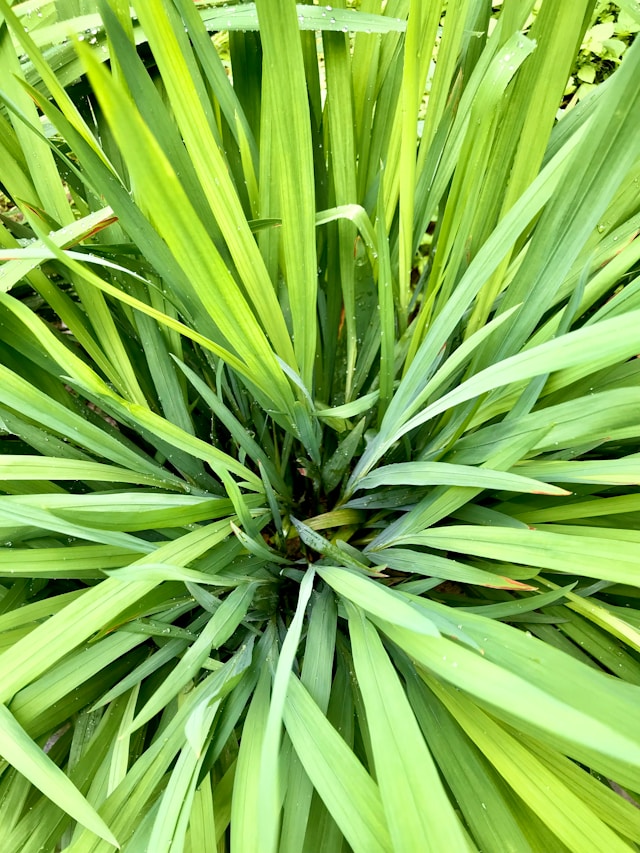
Lemongrass is probably one of the first plants people think about when discussing natural mosquito control.
Its fresh citrus-like aroma comes from a collection of volatile compounds, and lemongrass-derived oils have been investigated for mosquito-repellent activity.
Some extension specialists list lemongrass among the plants with scientific evidence supporting its potential to deter mosquitoes. (MSU Extension)
The important catch is that a pot of lemongrass is not equivalent to a concentrated repellent.
The aromatic compounds are much more concentrated in processed oils than they are in the air surrounding an ordinary plant.
Nevertheless, lemongrass is an attractive, useful plant that can be grown in containers and enjoyed for its fragrance and culinary uses.
2. Lemon Balm: A Fragrant Plant Worth Growing
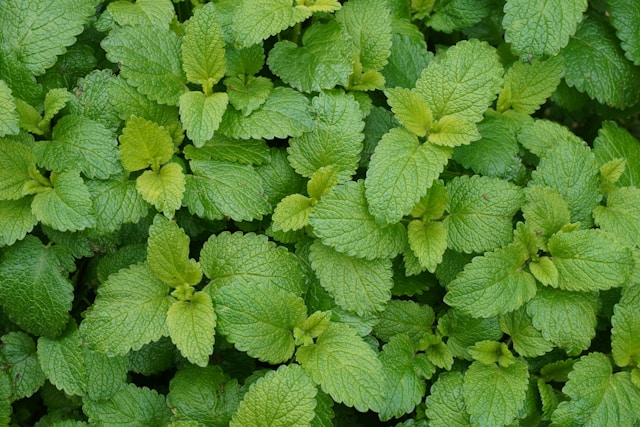
Lemon balm belongs to the mint family but has a distinctive lemon-like fragrance.
It is another plant that has been identified by extension specialists as having some scientific evidence for mosquito-deterring properties. (MSU Extension)
The plant is easy to recognize by its soft green leaves and pleasant citrus aroma.
If you grow it in a container near a bright window, you get more than a potential pest-management benefit. Lemon balm can also be harvested for teas, infused drinks and culinary preparations.
Like mint, however, lemon balm can spread vigorously when planted outdoors, so keeping it in a container can make it easier to control.
3. Rosemary: A Powerful-Scented Herb
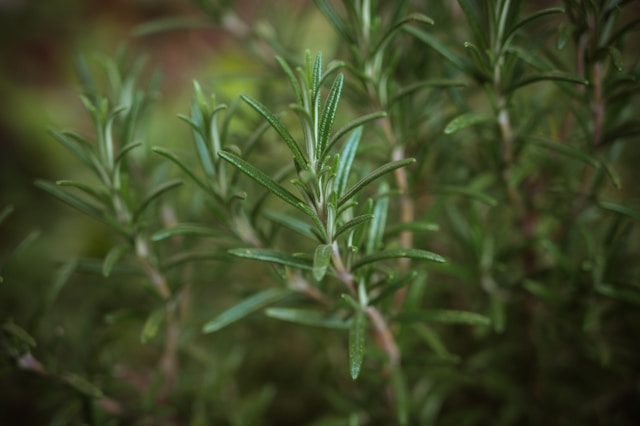
Rosemary is one of the most useful plants to have around the house.
Its narrow leaves contain aromatic oils that give the plant its characteristic woody fragrance.
Rosemary is frequently discussed as an insect-deterring plant, and extension resources note that its aromatic foliage may help discourage certain pests. (Extension UGA)
There is another reason rosemary is particularly appealing: it is useful even if you completely ignore its pest-repellent potential.
You can use fresh rosemary in roasted vegetables, potatoes, breads, marinades and many meat dishes.
Place a rosemary plant somewhere bright and well-drained, and you have an attractive herb that smells wonderful and can be harvested whenever you cook.
4. Basil: More Than Just a Kitchen Herb
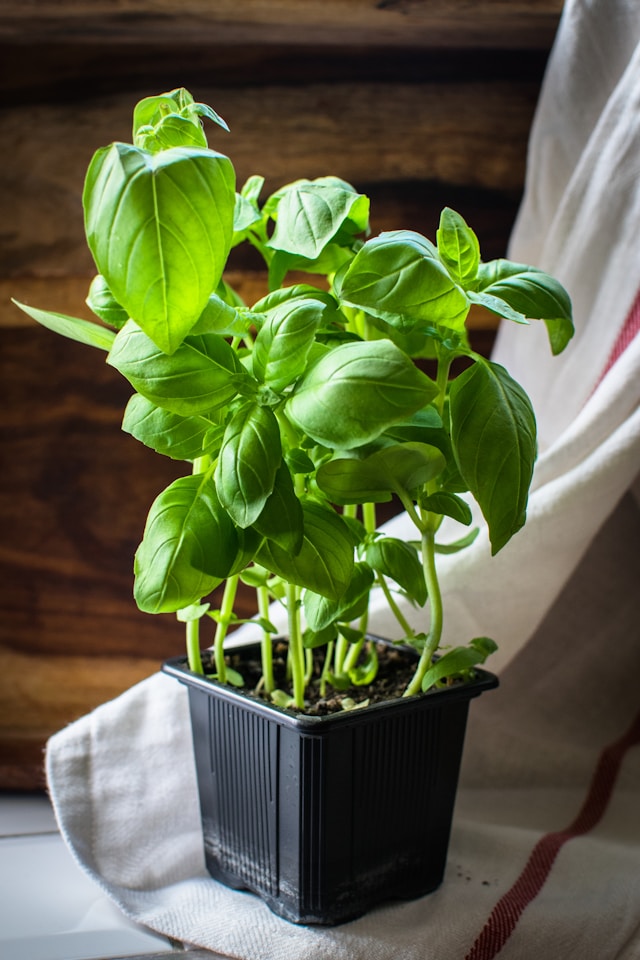
Basil is another strongly aromatic plant frequently associated with insects.
Its fragrance comes from volatile compounds produced by the plant, and some extension sources note potential deterrent effects against mosquitoes and other garden pests. (Extension UGA)
Basil is particularly convenient for kitchens because it does not require a huge amount of space.
A small pot on a sunny windowsill can provide fresh leaves for:
- Pasta
- Tomato sauces
- Salads
- Pesto
- Sandwiches
- Pizza
- Soups
So even if you don’t notice a dramatic reduction in insects, the plant is still useful.
5. Lavender: Beautiful, Fragrant and Potentially Useful
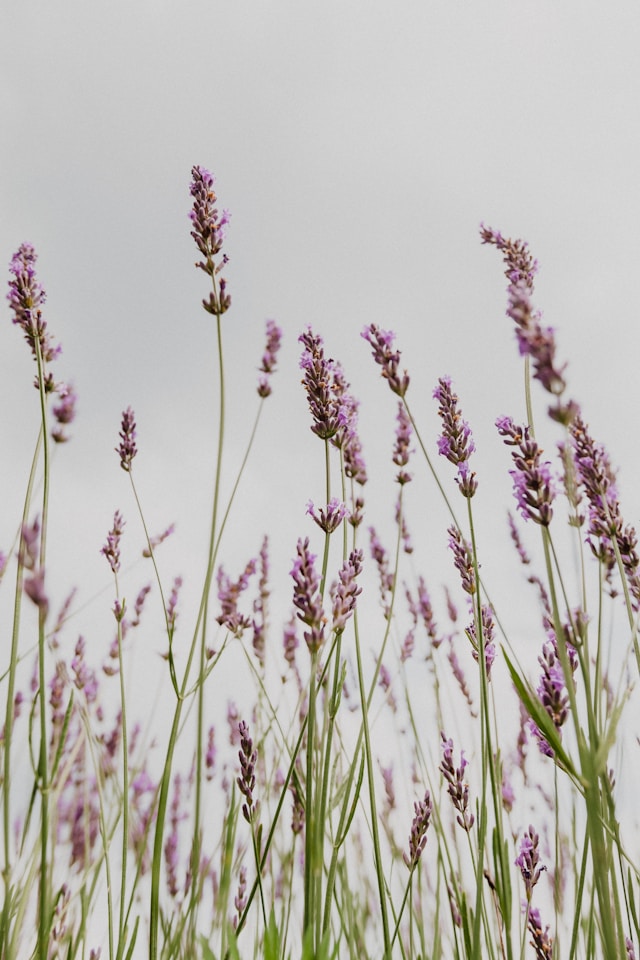
Lavender is famous for its relaxing fragrance, but its aromatic compounds have also been studied for effects on insects.
It is among the plants commonly mentioned in research and extension guidance concerning mosquito deterrence. (hgic.clemson.edu)
One advantage of lavender is that it can serve several purposes at once.
It can add color to a garden or balcony, provide fragrance around outdoor living spaces and attract pollinators when flowering.
Just don’t make the mistake of assuming that a few lavender plants will create an invisible force field around your home.
The evidence is stronger for concentrated plant oils than for simply growing the plant.
6. Catnip: Surprisingly Interesting

Catnip might sound like an unusual choice, but it has attracted scientific attention because of compounds found in the plant that can affect insects.
Extension specialists include catnip among aromatic plants that may have mosquito-deterring properties. (hgic.clemson.edu)
There is, however, an obvious consideration.
Cats love it.
If you have cats, a catnip plant may attract your pets rather than keep them away from the area!
That doesn’t make catnip a bad plant—it simply means you should consider where you grow it.
7. Lemon Thyme: Small Plant, Strong Aroma
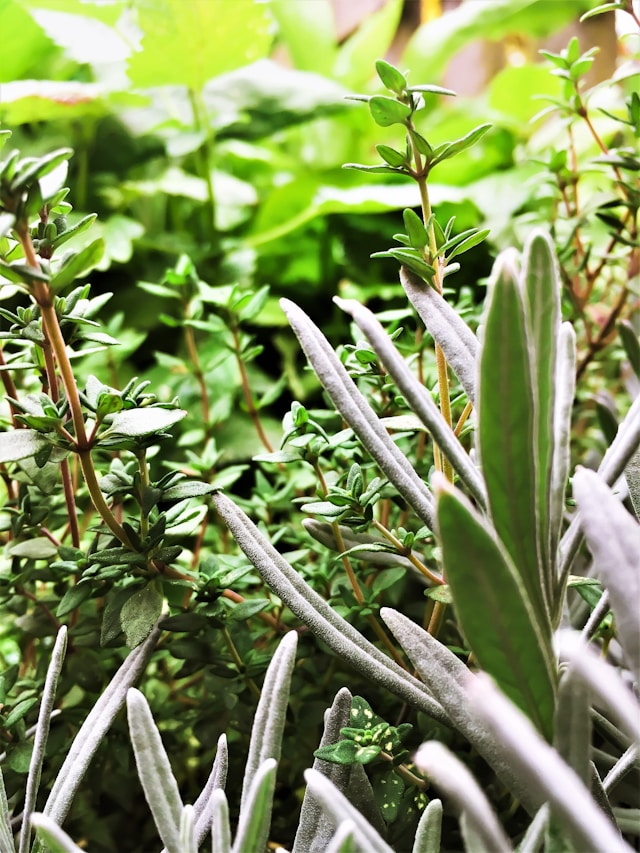
Lemon thyme combines the familiar herbal scent of thyme with a citrus-like fragrance.
Mississippi State University Extension lists lemon thyme among the herbs with some scientific evidence for mosquito deterrence. (MSU Extension)
It is also a practical culinary herb.
Because it stays relatively compact, lemon thyme can work well in containers, herb gardens and smaller outdoor spaces.
Its compact size makes it particularly convenient if you want several aromatic plants without turning your home into a jungle.
8. Bee Balm: A Beautiful Garden Addition
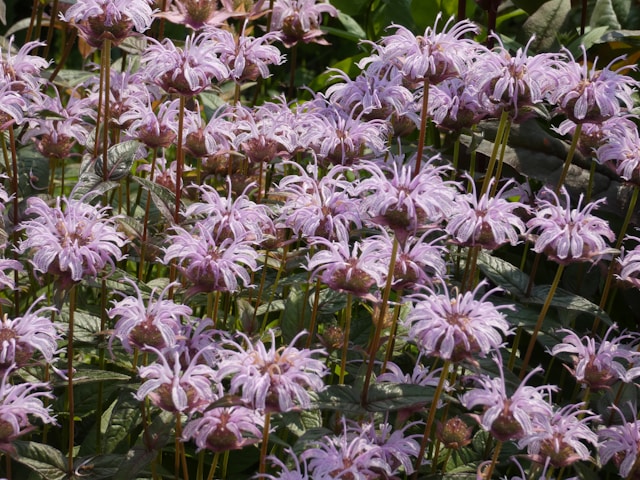
Bee balm is another plant mentioned by extension specialists in connection with mosquito-deterring properties. (MSU Extension)
Unlike some culinary herbs, bee balm is particularly attractive as an ornamental garden plant.
Its colorful flowers can also make a garden more appealing to pollinators.
That makes it a good example of a plant that can serve several purposes at once: beauty, biodiversity and potentially some pest-deterring benefits.
What About Citronella Plants?
TO CONTINUE READING THE ARTICLE PLEASE SEE PAGE 2
What About Citronella Plants?
This is where things get confusing.
You have probably seen plants marketed as “mosquito plants” or citronella plants.
The name sounds convincing, but marketing and science are not always the same thing.
Some plants are sold specifically as mosquito-repelling plants, while the actual evidence for simply growing them around a patio is much weaker than advertisements suggest. Colorado State University Extension, for example, notes that a commonly marketed “mosquito plant” does not demonstrate the expected mosquito-repellent properties simply by growing in the landscape. (planttalk.colostate.edu)
The lesson is simple:
Don’t judge a plant by its marketing name.
What About Marigolds?
Marigolds are another plant frequently promoted as a natural insect repellent.
They are certainly useful garden plants, and some marigold species contain compounds associated with insecticidal activity.
But again, there is a difference between containing an insect-affecting compound and creating an effective pest barrier around your house.
Clemson Extension specifically cautions that popular claims about aromatic plants and mosquito control are often overstated. (hgic.clemson.edu)
So grow marigolds because you enjoy their flowers and because they can be a valuable part of a garden ecosystem—not because you expect them to eliminate every mosquito.
The Most Important Secret: The Plant Alone May Not Be Enough
This is the part most viral articles leave out.
If you put a basil plant, lavender plant or rosemary plant beside your front door, you should not expect insects to immediately turn around and flee.
Why?
Because the compounds responsible for many repellent effects are volatile.
They evaporate and disperse.
Wind and ventilation can dilute them rapidly, which is one reason research involving concentrated essential oils does not necessarily translate into the same results from a living plant. (hgic.clemson.edu)
In other words:
A plant can contain a powerful chemical without releasing enough of that chemical into the surrounding air to produce a powerful repellent effect.
That’s a crucial difference.
So Which Plants Are the Best Choices?
If your goal is to grow attractive, aromatic plants that have at least some scientific basis for insect-deterring properties, a good selection includes:
🌿 Lemongrass
Strong citrus fragrance and commonly studied for mosquito deterrence.
🌿 Lemon balm
A fragrant herb with some evidence supporting mosquito-deterring potential.
🌿 Rosemary
Highly aromatic and useful in cooking.
🌿 Basil
Excellent for the kitchen and associated with potential insect-deterring effects.
🌿 Lavender
Beautiful, fragrant and frequently studied for insect-related effects.
🌿 Catnip
An interesting plant with compounds studied for mosquito repellency.
🌿 Lemon thyme
Compact, aromatic and useful as a culinary herb.
🌿 Bee balm
A colorful flowering plant with potential mosquito-deterring properties.
These plants are much better choices than buying a random plant simply because a social-media post calls it a “bug killer.”
What About Mice?
This is where you should not rely on plants.
Unlike mosquitoes and some other insects, mice are not something you should expect to control by filling your house with aromatic herbs.
The CDC recommends preventing rodents by eliminating food and water sources and, most importantly, sealing holes and gaps through which they can enter. Mice can squeeze through openings about the width of a pencil—roughly 1/4 inch (6 mm). (CDC)
That means if you actually have mice, your first step should not be buying another plant.
Instead:
Find the entrance. Seal it. Remove accessible food. Remove nesting opportunities.
If rodents are already present, appropriate trapping may also be necessary. (CDC)
The Best Natural Pest-Control Strategy Uses More Than One Method
Instead of searching for one magical plant, think about your home as a complete environment.
The EPA recommends an approach called Integrated Pest Management, or IPM. It combines prevention, monitoring and targeted control instead of relying on a single method. (US EPA)
For a home, that can mean:
1. Remove food sources.
Keep food tightly sealed and clean crumbs and spills quickly.
2. Control moisture.
Fix leaks and remove standing water where mosquitoes can breed. (US EPA)
3. Seal openings.
Check around doors, windows, pipes, vents and foundations.
4. Keep the house tidy.
Reduce clutter where insects and rodents can hide.
5. Use aromatic plants as an extra measure.
Grow rosemary, basil, lavender, lemongrass, lemon balm or other fragrant plants because they are useful and attractive—and potentially add a small pest-deterring benefit.
6. Use proven pest-control methods when necessary.
If an infestation becomes established, plants alone are unlikely to solve it.
The Bottom Line
There really are plants with insect-repelling properties.
Lemongrass, lemon balm, rosemary, basil, lavender, catnip, lemon thyme and bee balm are among the aromatic plants that have been associated with mosquito-deterring effects or have compounds studied for that purpose. (hgic.clemson.edu)
But there is an important difference between saying:
“This plant contains compounds that can repel insects.”
and saying:
“Put this plant in your house and you will never see insects again.”
The first statement can have scientific support.
The second is an exaggeration.
The smartest approach is to use these plants as one small part of a larger pest-prevention strategy.
Grow rosemary in the kitchen. Keep basil on a sunny windowsill. Plant lavender around your outdoor space. Try lemongrass or lemon balm in containers. Enjoy the fragrance, the flowers and the herbs.
And at the same time, seal cracks, eliminate standing water, keep food protected and remove the conditions that attract pests.
That combination is far more realistic—and far more effective—than expecting one magical plant to protect your entire home.
