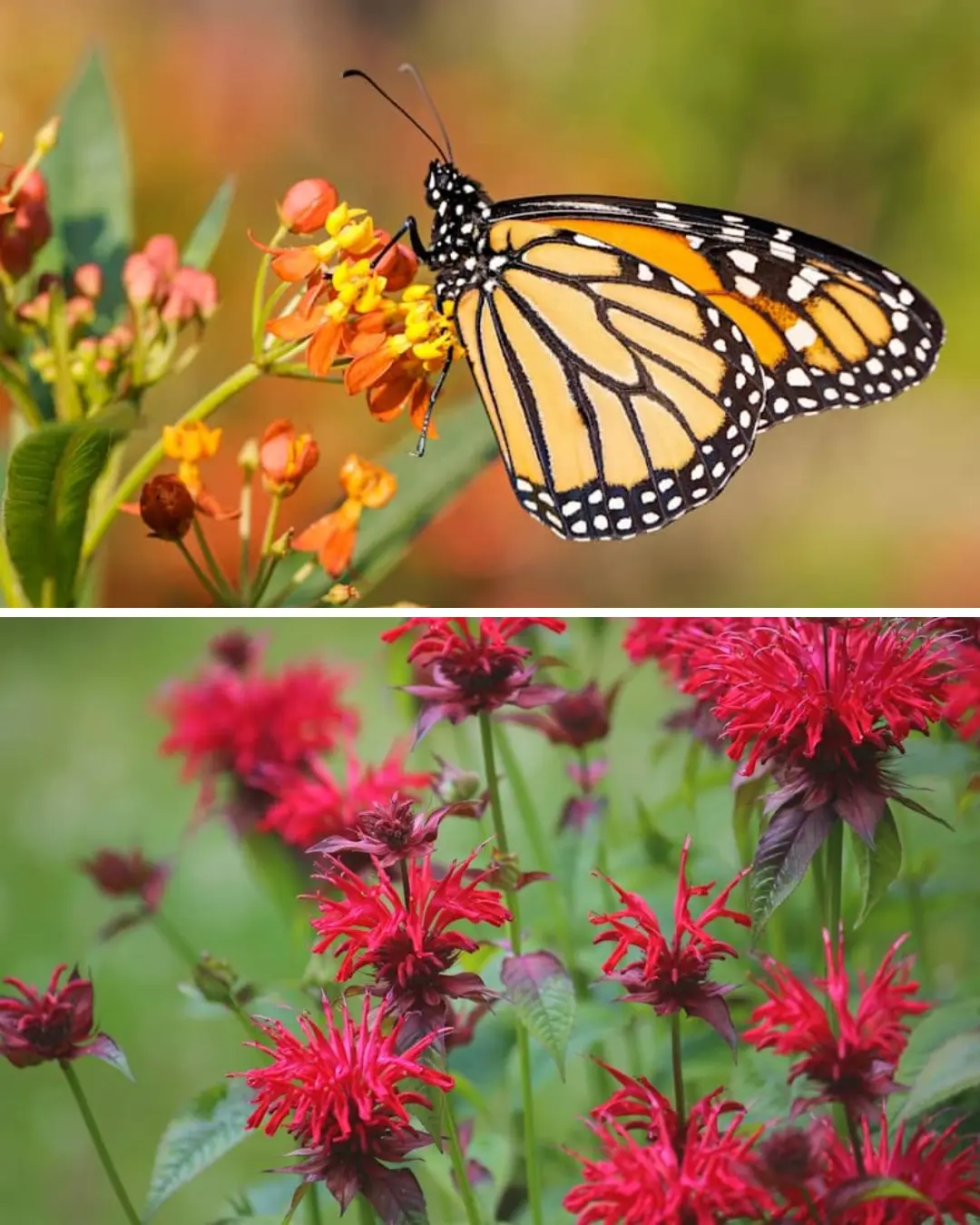
Butterflies aren’t just drawn to pretty colors, though they do love vibrant purples, bright pinks and sunny yellows. They’re also looking for nectar-rich blooms with easy landing spots, plus plants that support their full life cycle, from egg to caterpillar to gorgeous butterflies. The right combination doesn’t just invite them in—it gives them a reason to stay.
1. Milkweed
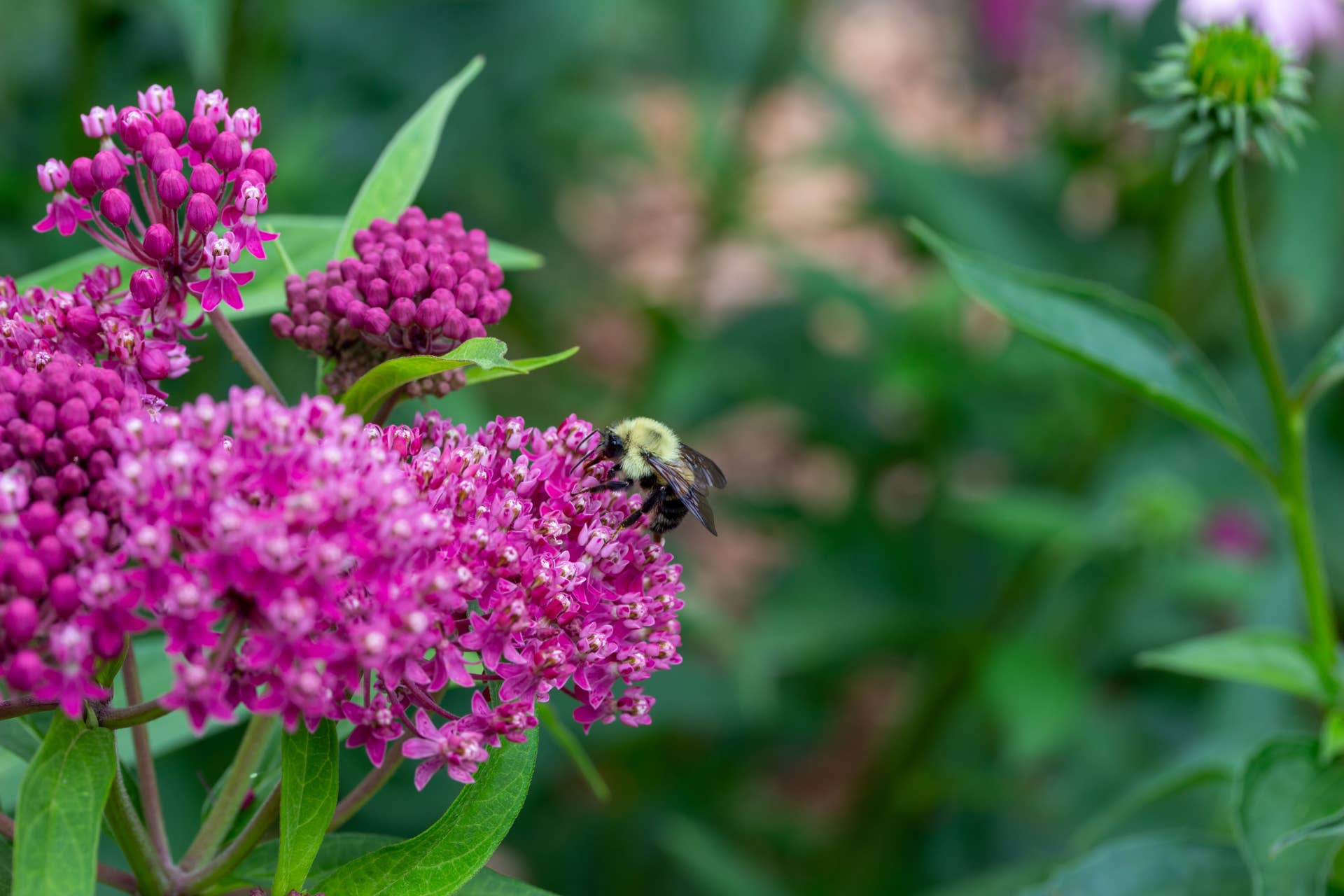
Milkweed is the ultimate butterfly magnet, especially for monarchs. It’s the only plant where monarchs lay their eggs and the leaves are the sole food source for their caterpillars.
Beyond this, milkweed produces clusters of star-shaped flowers packed with nectar, making it a frequent landing spot for a variety of butterflies. It’s a must-have if you want your garden to truly support pollinators from start to finish.
2. Garden Phlox
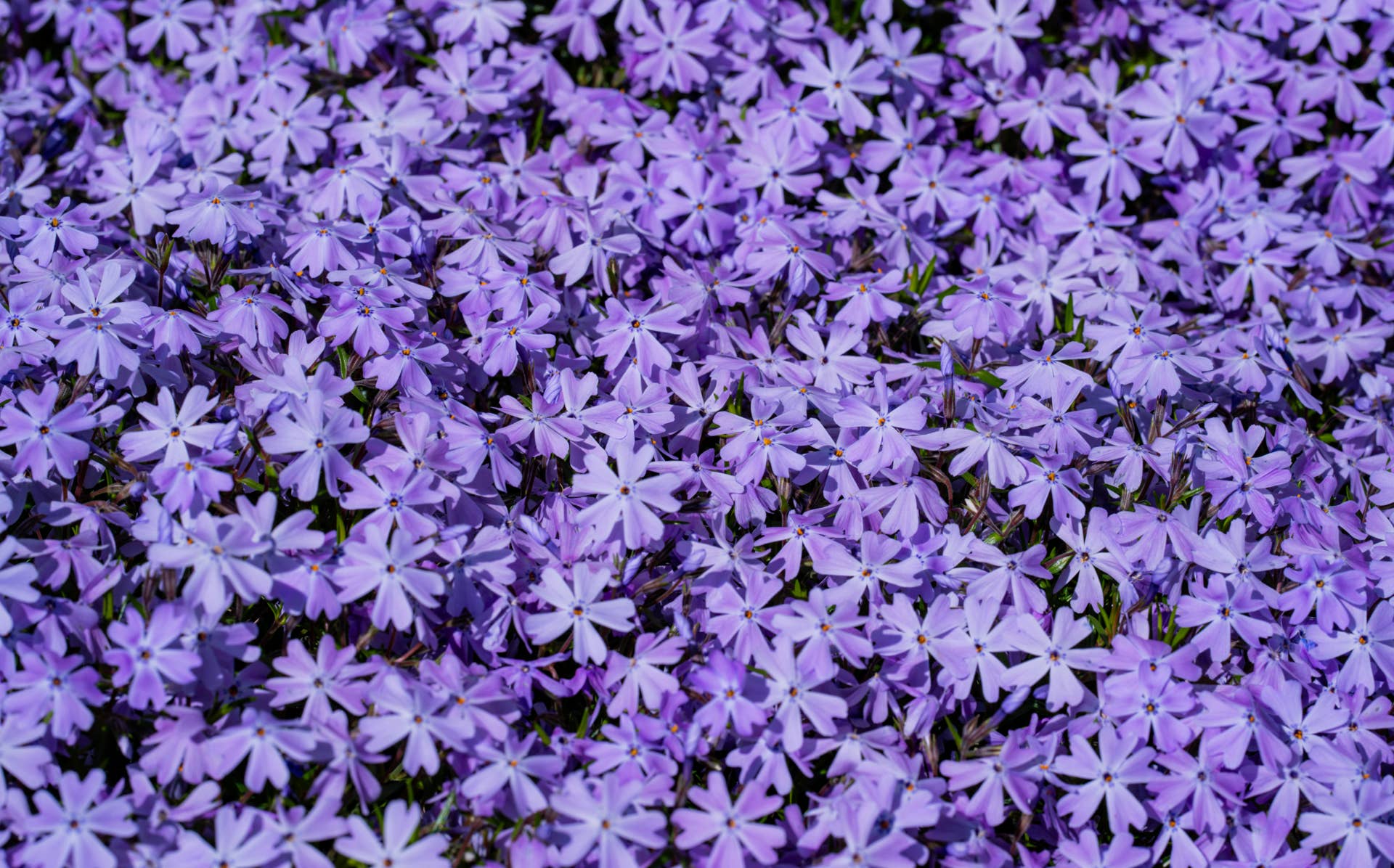
Phlox brings both fragrance and function to the garden. Its soft, clustered blooms create a landing pad that butterflies love, while its sweet scent adds to the sensory appeal for humans.
Blooming in mid to late summer, it helps bridge the gap when other flowers may be slowing down, ensuring a consistent supply of nourishment.
3. Bee Balm
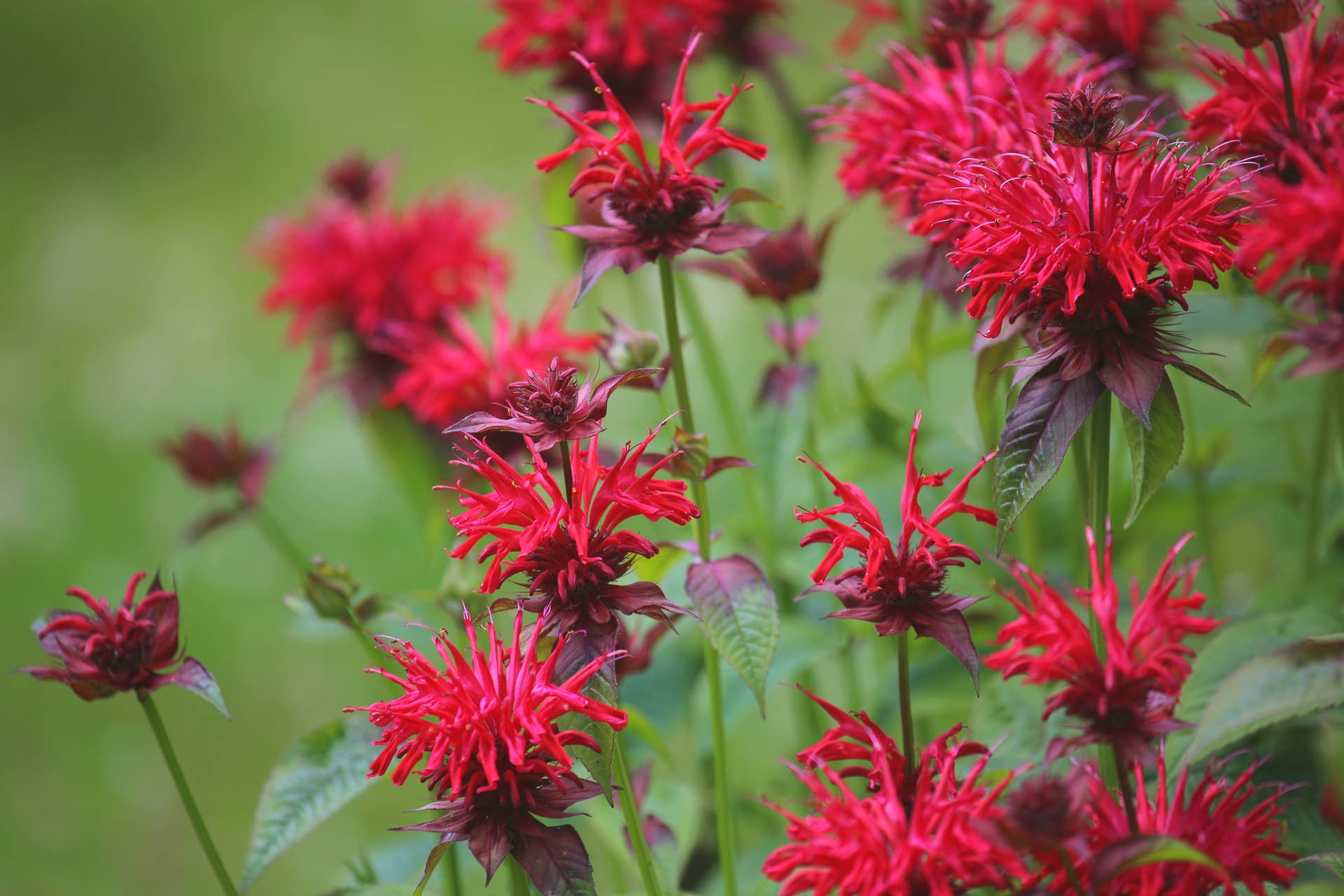
Bee balm is as lively as the pollinators it attracts. With its shaggy, firework-like blooms in shades of red, pink and purple, it’s a standout in any garden bed.
Butterflies are drawn to its cylinder-shaped flowers, and as a bonus, hummingbirds and bees flock to it as well. It’s a great way to add both movement and bold color to your space.
4. Black-Eyed Susan
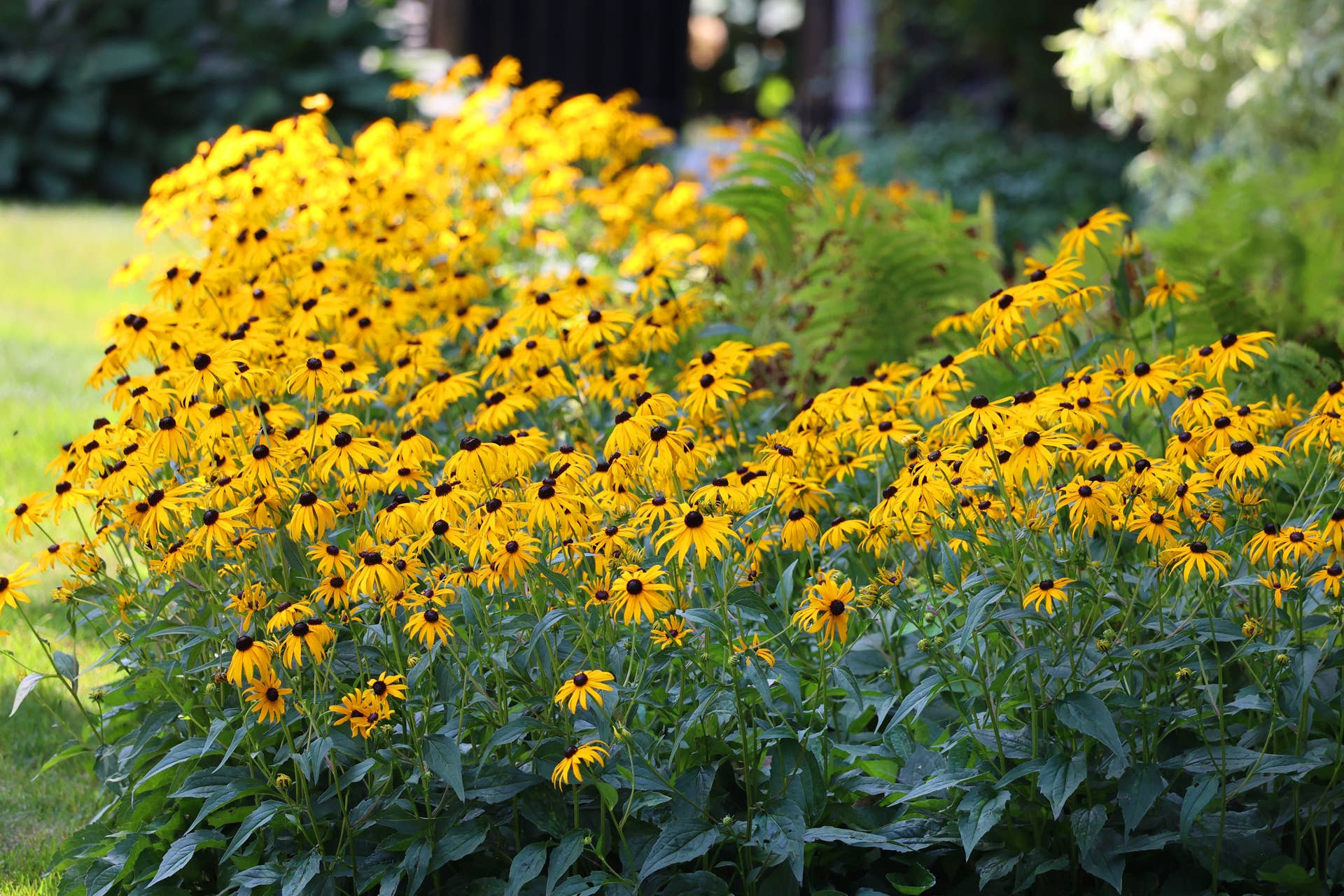
Also called rudbeckia, these cheerful, golden blooms with dark centers are a classic for a reason. Black-eyed Susans are hardy, long blooming and incredibly attractive to butterflies.
Their simple, open shape makes it easy for pollinators to land and feed, while their durability means they’ll keep your garden looking lively through much of the season.View post: Aldi’s Tall Fluted Planters Deliver High-End Style for Just $15
5. Coneflower
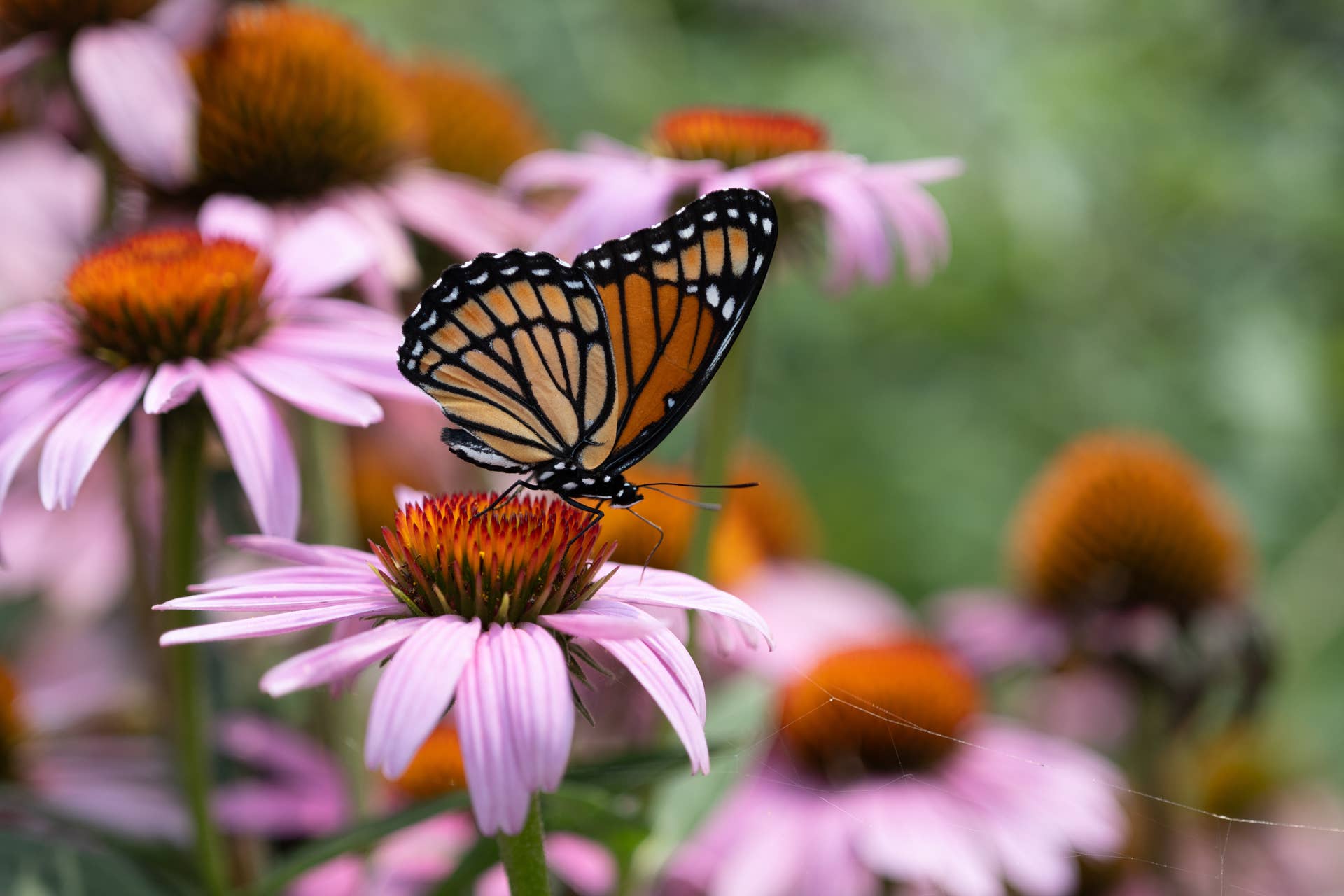
Coneflowers are a pollinator favorite thanks to their wide, daisy-like shape and prominent centers. Butterflies use them as landing pads while sipping nectar, and later in the season, birds may visit for the seeds.
They’re drought-tolerant and easy to grow, making them a reliable plant for a butterfly-friendly garden.
6. Lavender
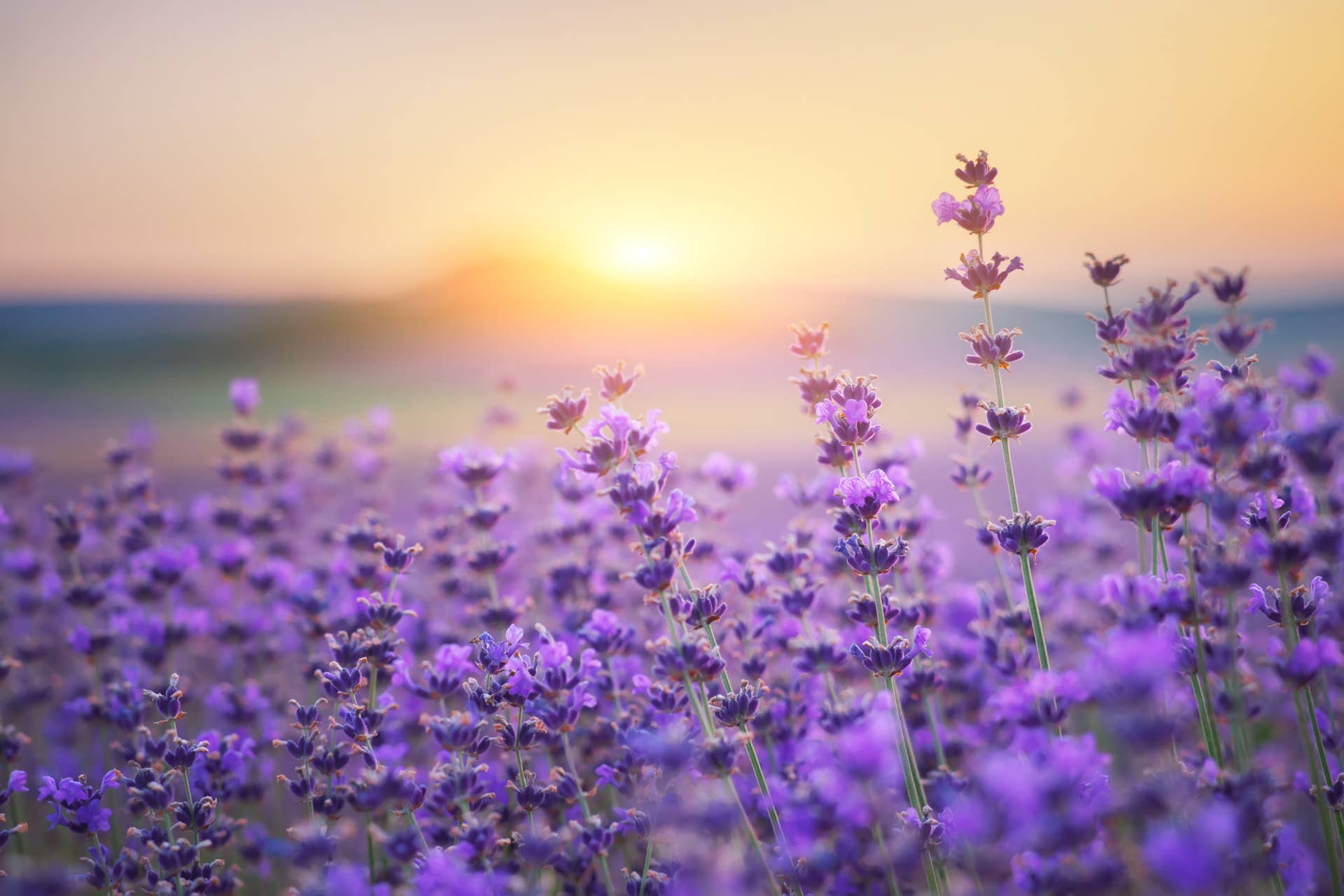
Lavender isn’t used just for its calming scent. It’s also a powerhouse for attracting butterflies. Its tall, fragrant spikes are rich in nectar and bloom over a long period, providing a steady food source.
Typically planted in clusters, lavender creates a dreamy look that most gardeners dream of achieving.
7. Salvia
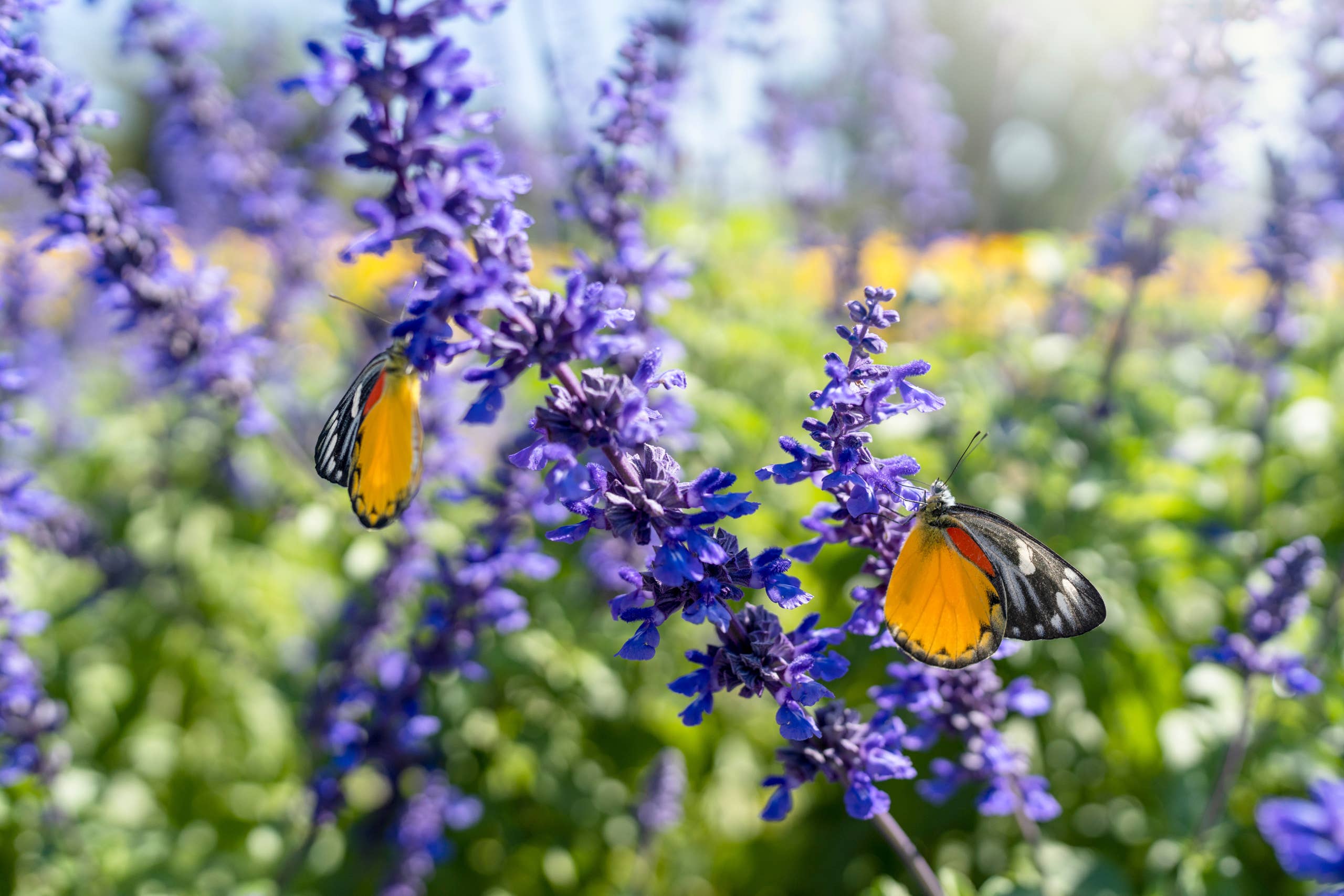
Salvia adds height, color and continuous flowers to the mix. Its spiky flowers are especially appealing to butterflies, offering easy access to nectar.
One of its biggest strengths is how long it blooms, often from early summer into fall, helping to keep your garden active with butterflies and bees over time.
When planted together, these seven blooms create a layered, colorful habitat that feels alive with movement. The real beauty isn’t just in the flowers; it’s in the constant flutter of wings they invite. Give these plants plenty of sun, and let nature do the rest. Before long, your garden might just feel like that viral video came to life.
