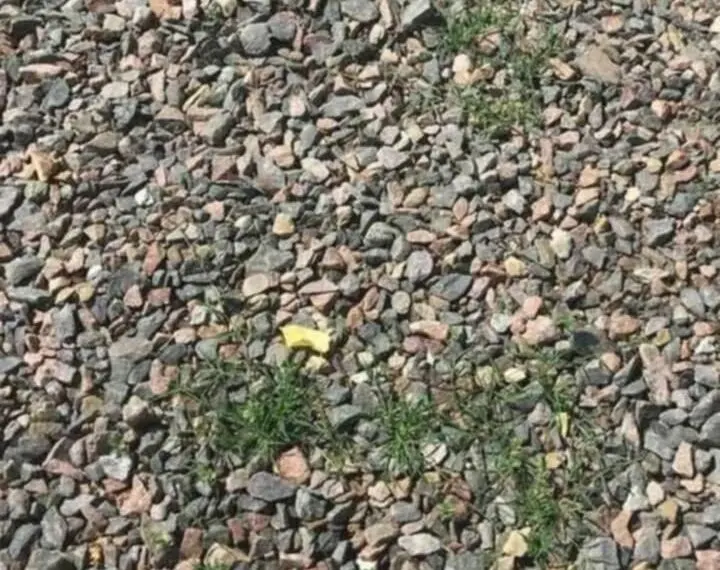
Gravel pathways and driveways can add charm and functionality to your outdoor spaces—but nothing ruins that clean look faster than stubborn weeds popping up through the stones. Fortunately, with the right prevention methods and some maintenance, you can stop weeds from taking over your gravel areas.
Here are proven tricks and techniques—including natural options and long-term solutions—to help you keep gravel spaces weed-free.
🌱 Why Do Weeds Grow in Gravel?
Although gravel might seem inhospitable to plants, weeds are incredibly persistent. They thrive because:
- Wind-blown seeds settle between gravel stones.
- Organic material like soil, leaves, and dust accumulates over time, creating a perfect growing bed.
- Moisture retention beneath the gravel creates a humid environment that encourages growth.
✅ Top Tricks to Prevent Weeds in Gravel Areas
1. Use a Weed Barrier Fabric (Landscape Fabric)
Installing a high-quality landscape fabric before laying gravel is one of the most effective ways to prevent weeds from growing.
- It blocks sunlight, preventing weed germination.
- It allows water to drain through.
- Choose heavy-duty, UV-stabilized fabric for durability.
Pro Tip: Overlap the edges of the fabric by at least 6 inches and secure it with garden staples.
2. Apply a Pre-Emergent Herbicide
Pre-emergent herbicides (like corn gluten meal for organic gardeners or chemical options like pendimethalin) stop weed seeds from sprouting before they take root.
- Apply before the growing season starts (early spring).
- Reapply every 3–6 months for continued protection.
Important: These herbicides don’t kill existing weeds, so use them only as a prevention method.
3. Use Salt or Vinegar as a Natural Option
For smaller areas or spot treatment, these natural solutions can be effective:
- Salt: Mix 1 part salt with 2 parts water and apply directly on weeds.
- Vinegar: Use white vinegar (5–20% acetic acid) to spray on weed leaves.
⚠️ Be cautious with both methods—they can harm surrounding plants and soil health.
4. Keep the Gravel Clean
Prevent weeds by reducing the debris that allows them to grow:
- Rake the gravel regularly to remove leaves and dirt.
- Pressure wash or hose down the surface occasionally.
- Top up gravel layers annually to maintain density.
5. Boiling Water Method
5. Boiling Water Method
For eco-conscious gardeners, pouring boiling water directly on weeds can kill them instantly—roots and all.
- Ideal for gravel paths with no nearby grass or plants.
- Repeat weekly in infested areas.
6. Apply a Thick Layer of Gravel
A thicker gravel layer (3–5 inches) reduces sunlight exposure and creates a harsher environment for weeds to thrive.
- Use angular gravel (like crushed stone) instead of rounded gravel to lock pieces together better and prevent weed growth.
7. Flame Weeder (for the Adventurous)
A flame weeder is a torch tool that burns weeds using propane. It’s very effective but must be used with caution.
- Best used on non-flammable surfaces.
- Avoid during dry or windy weather.
🔁 Maintenance Is Key
Even with preventive steps, some weeds may still appear. Regular maintenance ensures they don’t become a problem:
- Pull small weeds by hand as soon as you spot them.
- Reseal gaps between gravel and hardscape borders.
- Refresh your gravel every 1–2 years.
📚 Backed by Science
Studies from institutions like the University of California’s Integrated Pest Management Program confirm that integrated weed management—combining physical barriers, cultural practices, and minimal chemical use—is the most effective long-term strategy for managing gravel weeds.
A 2020 study published in Weed Technology also highlights how landscape fabric plus mulch (gravel in this case) significantly reduces weed biomass compared to mulch alone.
📝 Final Thoughts
Gravel areas don’t have to be a constant battleground with weeds. By combining physical barriers, natural remedies, and consistent maintenance, you can enjoy a clean, attractive, and low-maintenance gravel space all year long.
