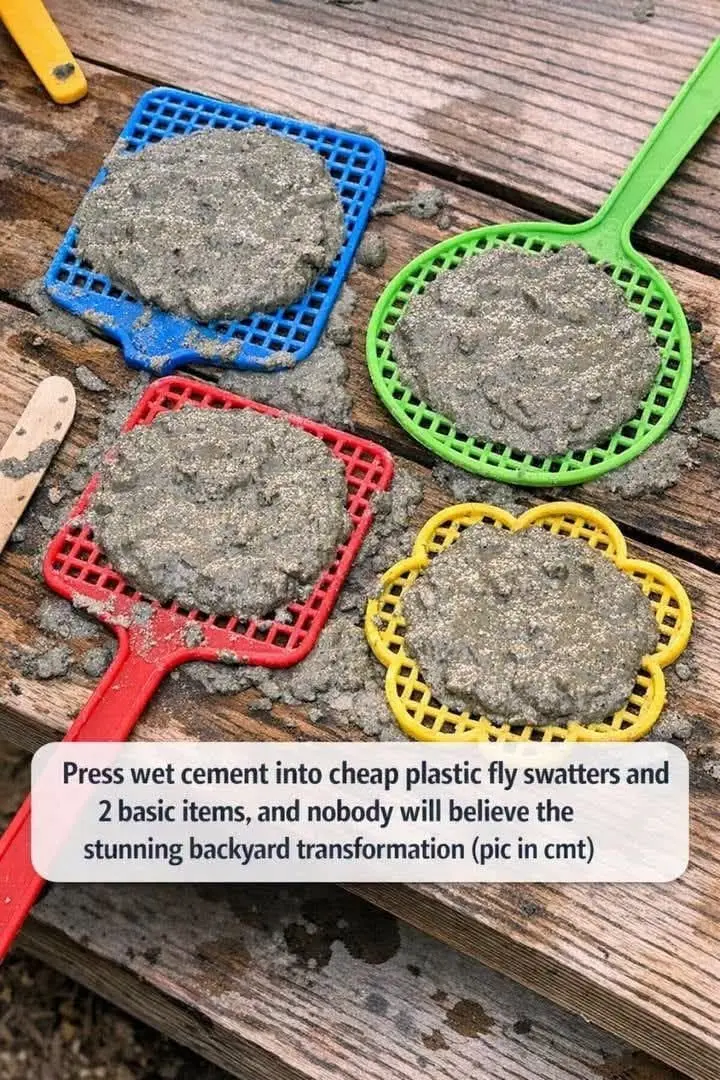
Every once in a while, a DIY project comes along that makes people stop scrolling and say, “Wait… that’s made from what?” This clever garden craft is exactly that kind of project. At first glance, plastic fly swatters and a bucket of cement seem like an unlikely combination. But with a little creativity and a few inexpensive supplies, these everyday items can be transformed into elegant garden stepping stones, decorative wall art, or unique backyard accents.
The secret lies in the textured grid pattern of the fly swatters. When wet cement is pressed into the plastic molds, it captures intricate designs that look surprisingly professional once hardened. Add a few simple landscaping materials, and the final result looks like something from an upscale garden center.
Best of all, this project is affordable, beginner-friendly, and a fun weekend activity for DIY enthusiasts of all ages.
Why This DIY Project Is Going Viral
Garden lovers are always searching for creative ways to add personality to outdoor spaces without spending hundreds of dollars.
This project has become popular because it is:
- Inexpensive
- Easy to make
- Weather-resistant
- Highly customizable
- Perfect for gardens and patios
The finished pieces can be used in countless ways, making each project truly one of a kind.
The Secret Behind the Fly Swatters
Plastic fly swatters aren’t just for insects anymore.
Their mesh patterns act like ready-made molds that imprint beautiful textures into concrete. Depending on the shape of the swatter, you can create:
- Round medallions
- Floral stepping stones
- Decorative plaques
- Mosaic bases
- Wall hangings
The texture gives plain cement a designer look without any special tools.
Materials You’ll Need
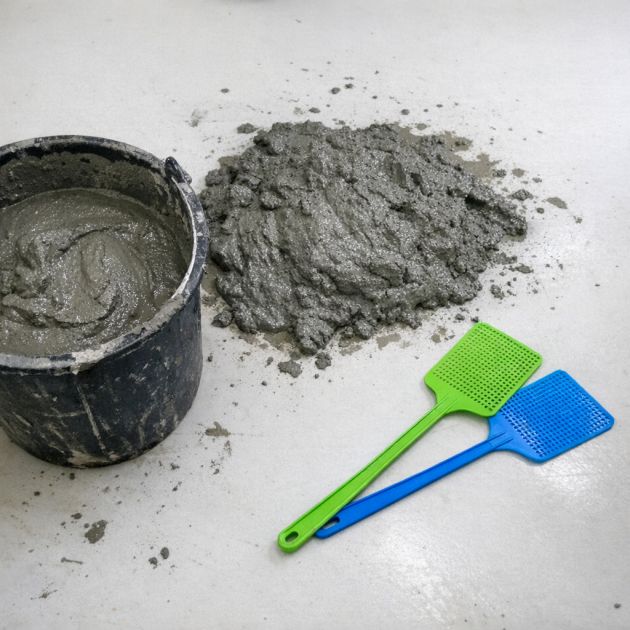
Most supplies can be found at a dollar store or hardware store.
| Material | Quantity |
|---|---|
| Plastic fly swatters | 3–6 |
| Quick-setting cement mix | 1 bag |
| Water | As needed |
| Mixing bucket | 1 |
| Trowel or wooden stick | 1 |
| Cooking spray or mold release | Optional |
| Decorative stones | Optional |
| Outdoor sealer | Optional |
| Gloves | 1 pair |
The Two Basic Yard Items
Many DIYers use:
- Decorative gravel
- Mulch or landscape stones
These simple additions help showcase the finished pieces beautifully.
Step 1: Prepare Your Work Area
Concrete can get messy.
Choose a flat outdoor workspace such as:
Choose a flat outdoor workspace such as:
- A patio
- Driveway
- Workbench
- Piece of plywood
Lay down plastic sheeting or newspaper for easy cleanup.
Wear gloves to protect your hands.
Step 2: Clean the Fly Swatters
Wash the fly swatters thoroughly.
Remove:
- Dirt
- Dust
- Oils
- Residue
A clean mold helps produce sharper details in the finished concrete.
Allow them to dry completely before use.
Step 3: Apply Mold Release (Optional)
To make removal easier, lightly spray the fly swatters with:
- Cooking spray
- Silicone mold release
This prevents the cement from sticking too firmly.
Step 4: Mix the Cement
Prepare the cement according to package instructions.
The ideal consistency should resemble:
- Thick oatmeal
- Peanut butter
- Dense pancake batter
Avoid making it too watery, as this weakens the final piece.
Mix thoroughly to remove lumps.
Step 5: Fill the Fly Swatters
Using your hands or a trowel, press the wet cement into the mesh pattern.
Make sure the cement fills:
- Every opening
- All corners
- Decorative edges
Smooth the surface evenly.
The thickness should be around ½ to 1 inch for strength.
Step 6: Add Decorative Elements
Before the cement hardens, you can personalize your designs.
Press in:
- Pebbles
- Sea glass
- Small shells
- Colored stones
- Mosaic tiles
This transforms a simple cement disk into a unique work of art.
Step 7: Let the Cement Cure
Allow the cement to rest undisturbed.
Curing times vary, but most projects require:
- 24 hours for initial hardening
- 48 hours for stronger curing
Keep the pieces in a shaded location to prevent rapid drying.
Step 8: Remove the Plastic Mold
Once the cement is firm:
Carefully peel away the fly swatter.
You’ll reveal a beautifully textured concrete design underneath.
This is often the most exciting part of the project.
Each piece develops its own unique character.
Step 9: Smooth Rough Edges
Use sandpaper or a concrete rubbing stone to soften sharp areas.
You can choose between:
- A rustic look
- A polished finish
Both styles work beautifully outdoors.
Step 10: Seal the Concrete

Although optional, applying an outdoor sealer offers extra protection.
Benefits include:
- Better weather resistance
- Reduced staining
- Longer lifespan
A matte finish preserves the natural stone appearance.
Creative Ways to Use Your Concrete Designs
Garden Stepping Stones
Place them between flower beds for a whimsical pathway.
Decorative Wall Art
Mount them on fences or garden walls.
Plant Pot Accents
Lean them against containers for added texture.
Birdbath Bases
Use larger pieces beneath birdbaths or fountains.
Outdoor Table Decor
Arrange them among potted plants for visual interest.
Landscaping Ideas for a Stunning Backyard
Surround your creations with:
- Mulch
- Decorative gravel
- Ornamental grasses
- Succulents
- River rocks
The contrast between concrete and greenery creates a sophisticated landscape design.
Common Mistakes to Avoid
Many beginners encounter a few simple problems.
Avoid:
- Cement that is too watery
- Thin pieces that crack easily
- Removing molds too early
- Drying in direct sun
- Skipping sealing in wet climates
Patience produces the best results.
Why Everyone Loves This DIY
This project proves that beautiful garden décor doesn’t require expensive materials. A handful of dollar-store fly swatters, a bag of cement, and a little imagination can create stunning outdoor art that looks far more expensive than it actually is.
Guests often assume these decorative pieces were purchased from a specialty garden store. When they learn the truth, they’re amazed.
It’s the perfect example of turning ordinary household items into extraordinary creations.
Final Reveal: From Fly Swatter to Garden Treasure
Imagine walking through your garden and discovering textured stone medallions nestled among flowers and gravel. Sunlight highlights the intricate patterns left by the fly swatter mesh, while the natural gray tones blend beautifully with plants and landscaping.
What started as inexpensive plastic tools has become elegant backyard décor that adds charm, texture, and personality to any outdoor space.
This clever DIY project is proof that sometimes the most surprising materials create the most beautiful results—and once your neighbors see them, they may start making their own.
