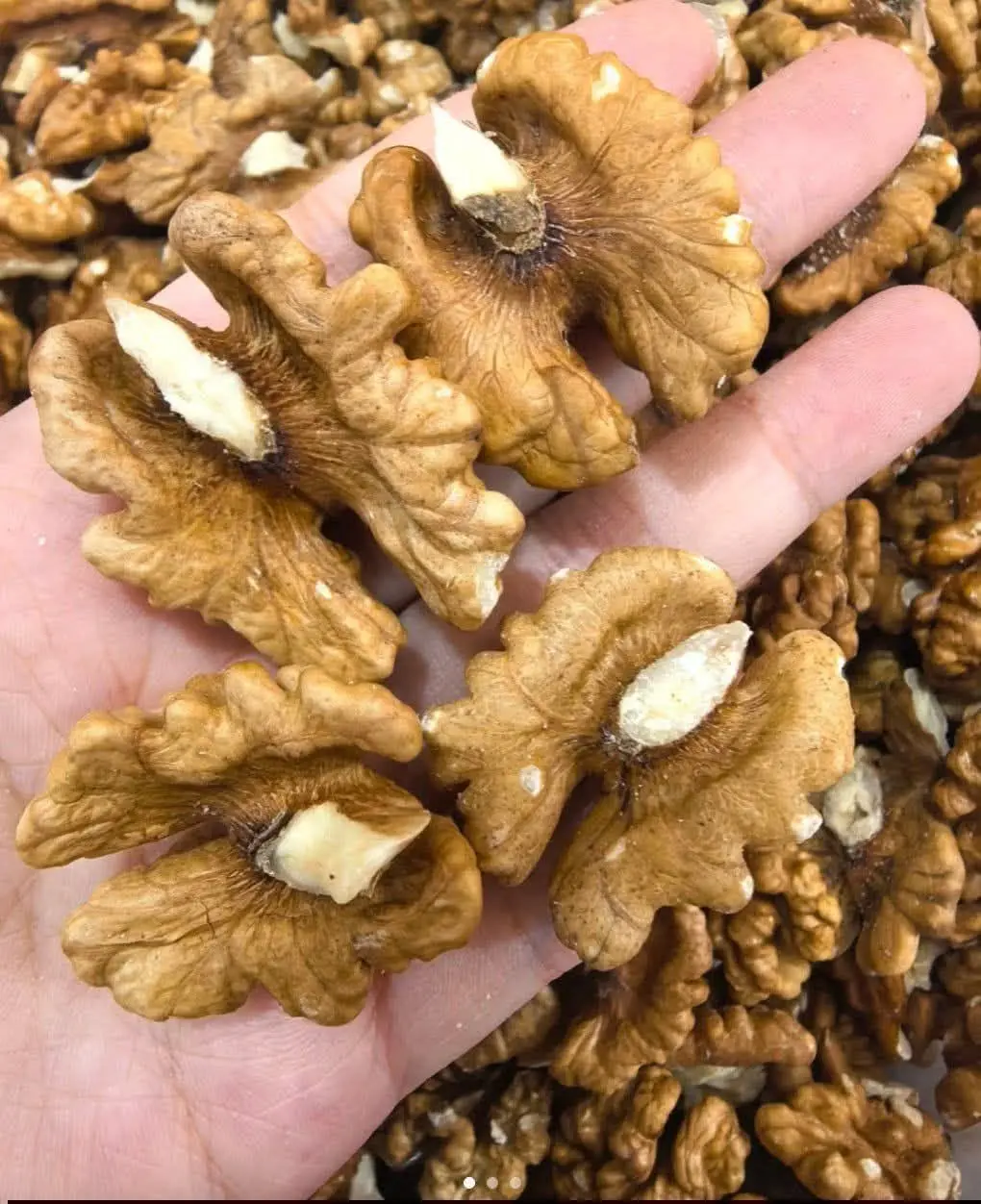
In recent years, walnuts have moved from being just a crunchy snack to a true superfood celebrated by nutritionists and scientists alike. These humble nuts, wrapped in their rough shells, are bursting with essential nutrients that support heart health, brain function, and even longevity. Nutrition experts now agree — adding a handful of walnuts to your daily diet can have a remarkable impact on your overall well-being.
1. A Powerhouse of Nutrients
Walnuts are one of the most nutrient-dense nuts available. A single ounce (about 7 whole walnuts) provides:
- 4 grams of protein
- 2 grams of fiber
- 18 grams of healthy fats
- Important minerals like magnesium, phosphorus, copper, and manganese
- Antioxidants and polyphenols that protect cells from damage
What sets walnuts apart is their unique fat composition. They’re the only tree nut that contains a significant amount of alpha-linolenic acid (ALA) — a plant-based omega-3 fatty acid that the body uses to support heart and brain health.
2. Heart Health: Backed by Science
Heart disease remains a leading cause of death worldwide, but walnuts offer a natural way to reduce risk.
Studies published in the Journal of the American Heart Association show that regular walnut consumption can:
- Lower LDL (“bad”) cholesterol levels
- Reduce blood pressure
- Improve blood vessel function
The omega-3 fats and antioxidants found in walnuts help reduce inflammation and prevent plaque buildup in arteries. Nutrition experts recommend replacing saturated fats (like butter or processed snacks) with a small handful of walnuts each day to support cardiovascular health.
3. Boosting Brain Function
It’s no coincidence that a walnut looks like a human brain — it’s actually brain food!
Research from UCLA found that people who consumed more walnuts scored higher on cognitive tests, memory, and concentration. This is largely thanks to:
- Omega-3 fatty acids, which protect neurons from inflammation
- Polyphenols, which improve communication between brain cells
- Vitamin E and folate, which support mental clarity and slow cognitive decline
Regular walnut consumption has even been linked to a lower risk of Alzheimer’s disease and age-related memory loss.
4. Supports Weight Management
4. Supports Weight Management
While walnuts are calorie-dense, they can actually help with weight control when eaten in moderation.
The combination of protein, fiber, and healthy fats helps you feel fuller for longer, reducing cravings and overeating.
A 2018 study in Diabetes, Obesity and Metabolism revealed that walnuts activate the area of the brain linked to appetite control — helping people make healthier food choices. This makes them an ideal snack for anyone aiming to maintain or lose weight naturally.
5. Promotes Gut Health
Your gut microbiome — the community of bacteria living in your digestive tract — plays a crucial role in your overall health.
Walnuts act as a prebiotic, feeding the good bacteria and improving gut balance. Research from Penn State University found that people who ate walnuts daily had a higher level of beneficial bacteria such as Lactobacillus and Ruminococcaceae, which support digestion and reduce inflammation.
A healthy gut is linked to a stronger immune system, better mood regulation, and improved metabolism — and walnuts contribute directly to that harmony.
6. Helps Manage Blood Sugar Levels
For individuals with diabetes or prediabetes, walnuts can be a smart dietary choice.
They have a low glycemic index, meaning they don’t cause sharp spikes in blood sugar. Their rich content of unsaturated fats and fiber helps stabilize glucose levels and improve insulin sensitivity.
Experts recommend combining walnuts with other healthy snacks like yogurt or fruit for balanced blood sugar throughout the day.
7. A Natural Ally for Longevity
Nutrition researchers from Harvard University discovered that people who regularly consumed nuts — especially walnuts — lived longer and healthier lives.
Those who ate walnuts at least five times a week had a 14% lower risk of death from all causes, thanks to their role in lowering inflammation, improving heart health, and supporting healthy aging.
How to Add Walnuts to Your Diet
Walnuts are versatile and easy to include in both sweet and savory dishes. Try these simple ideas:
- Sprinkle chopped walnuts over oatmeal or yogurt in the morning
- Add them to salads for a crunchy texture
- Mix into baked goods like banana bread or muffins
- Blend into smoothies for a nutty flavor
- Enjoy a handful as a snack between meals
Just remember: moderation is key. About 1 ounce (a small handful) per day is enough to enjoy all their benefits.
Final Thoughts
Nutrition experts agree — walnuts are one of the most complete, heart-smart, and brain-boosting foods nature has to offer. From reducing the risk of chronic diseases to supporting mental sharpness and gut health, these nutrient-packed nuts truly earn their superfood status.
Whether you sprinkle them on your breakfast, toss them in a salad, or enjoy them as a snack, a handful of walnuts a day can be a simple, delicious step toward a healthier and longer life.
