
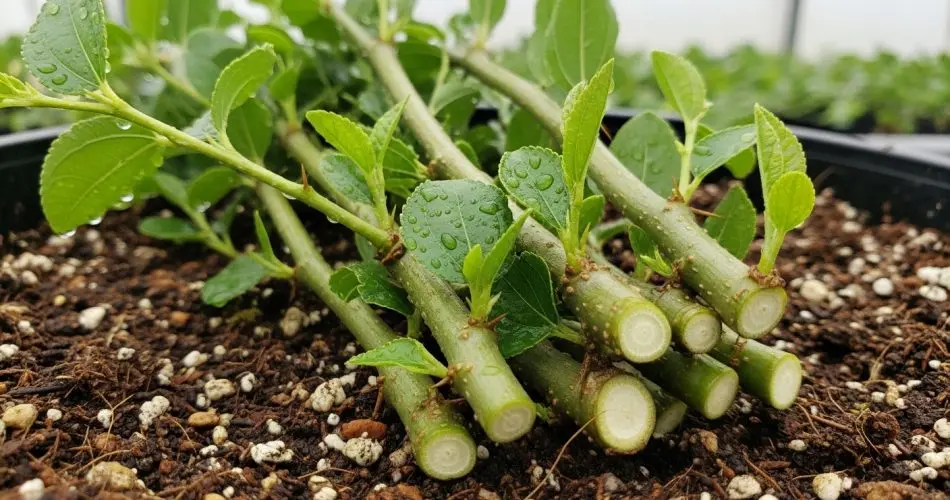
Jujube trees (Ziziphus spina-christi), often called the “dates of the desert,” are not only beautiful and hardy but also offer incredible nutritional and ecological benefits. Cultivating jujube from cuttings is a simple, effective way to introduce these remarkable trees into your home garden. With the right approach—including natural fertilizers, sandy soil, and proper care—you can grow thriving jujube trees that beautify your garden, attract pollinators, and provide a delicious, health-boosting harvest.
Why Grow Jujube Trees?
Jujube trees are renowned for their versatility and resilience. They thrive in arid and semi-arid climates, require minimal maintenance, and can tolerate poor soils. Their fruits are packed with vitamins, minerals, and antioxidants, making them a natural immune system booster. Jujube blossoms attract bees, which produce the highly prized “jujube honey,” one of the most expensive and aromatic honeys in the world.
Adding a jujube tree to your garden does more than provide food—it enhances biodiversity, improves air quality, and creates a serene, natural environment. Watching these trees flourish and yield fruit is both rewarding and therapeutic for gardeners.
Propagating Jujube from Cuttings
One of the most reliable methods to grow jujube trees is through cuttings. This approach allows you to produce a genetically identical tree to the parent, ensuring the same fruit quality and characteristics. Here’s a step-by-step guide:
- Select Healthy Cuttings: Choose strong, mature branches from an existing jujube tree. Ideally, cuttings should be 20–30 cm long with several nodes and a diameter of about 1–2 cm. Avoid overly old or weak branches.
- Prepare the Soil: Jujube trees prefer sandy, well-draining soil. Mix sand with garden soil or compost to improve drainage while maintaining essential nutrients. Proper soil prevents waterlogging, which can cause the cutting to rot.
- Plant the Cutting: Insert the lower end of the cutting about 8–10 cm deep into the prepared soil. Firm the soil around the cutting to remove air pockets. Ensure that at least one or two nodes are buried, as these will develop roots.
- Use Natural Fertilizers: Boost rooting and early growth by adding natural fertilizers such as compost, aged manure, or a diluted liquid fertilizer. These organic nutrients stimulate root development and strengthen the young plant.
- Maintain Moisture: Water the cuttings lightly but regularly. The soil should remain moist, not soggy. A simple drip irrigation system or careful hand-watering can maintain optimal moisture levels.
- Provide Partial Shade: While the cutting establishes roots, keep it in partial shade to reduce stress and prevent excessive water loss. Once roots are well-established, the plant can gradually be exposed to full sun.
Within a few weeks to a month, your jujube cuttings should begin to develop roots. Gentle tugging can indicate whether rooting has occurred—resistance means the plant is establishing itself successfully.
Caring for Young Jujube Trees
After the cuttings have rooted, proper care ensures vigorous growth and fruitful harvests:
- Sunlight: Jujube trees thrive in full sun, requiring at least 6–8 hours of direct sunlight daily.
- Watering: Young trees need consistent watering to establish a strong root system. Once mature, jujube trees are drought-tolerant but still benefit from occasional deep watering during prolonged dry periods.
- Fertilization: Apply natural fertilizers or compost every few months to support growth and fruiting. Avoid over-fertilization, which can encourage leaf growth at the expense of flowers and fruit.
- Pruning: Prune annually to shape the tree, remove dead or weak branches, and encourage airflow and light penetration. Proper pruning enhances fruit production and prevents disease.
Jujube Flowers and Pollination
Jujube blossoms are small but highly valuable. They attract bees, butterflies, and other pollinators, contributing to both garden health and honey production. Jujube honey, sometimes called the “golden elixir,” is sought after for its exquisite aroma, smooth texture, and natural health benefits. Having a flowering jujube tree in your garden not only ensures pollination but also supports local ecosystems by providing food for beneficial insects.
Benefits of Jujube Cultivation
- Immune Support: Rich in vitamin C and antioxidants, jujube fruits strengthen the immune system and protect against common illnesses.
- Culinary Uses: Jujube fruits can be eaten fresh, dried, or used in teas, jams, and desserts. Their sweet-tart flavor enhances a variety of dishes.
- Medicinal Value: Jujube has been used traditionally to aid digestion, reduce stress, and improve sleep quality.
- Environmental Benefits: Jujube trees purify the air, attract pollinators, and create shade and shelter in your garden.
- Economic Value: The fruits, blossoms, and honey from jujube trees can be sold or shared, offering potential financial returns.
Tips for a Thriving Jujube Garden
- Plant multiple cuttings to increase the chance of successful rooting.
- Regularly check for pests and diseases, such as aphids or fungal infections, and treat organically when possible.
- Harvest fruits when fully ripe for the best flavor and nutritional value.
- Rotate planting areas slightly or enrich the soil periodically with organic matter to maintain fertility.
Conclusion
Growing jujube trees from cuttings is a rewarding and practical method for gardeners who want to enjoy a beautiful, productive, and low-maintenance fruit tree. By selecting healthy cuttings, planting in sandy, well-draining soil, and using natural fertilizers, you can achieve rapid rooting and establish thriving trees in your garden.
Jujube trees offer far more than their delicious fruit—they provide ecological benefits, support pollinators, improve air quality, and bring beauty and tranquility to any garden space. With patience, proper care, and consistent attention, your home garden can flourish with jujube trees that produce abundant fruits, fragrant blossoms, and even the prized jujube honey. Planting jujube is planting life itself, bringing both a bountiful harvest and a sense of peace and connection to nature.
