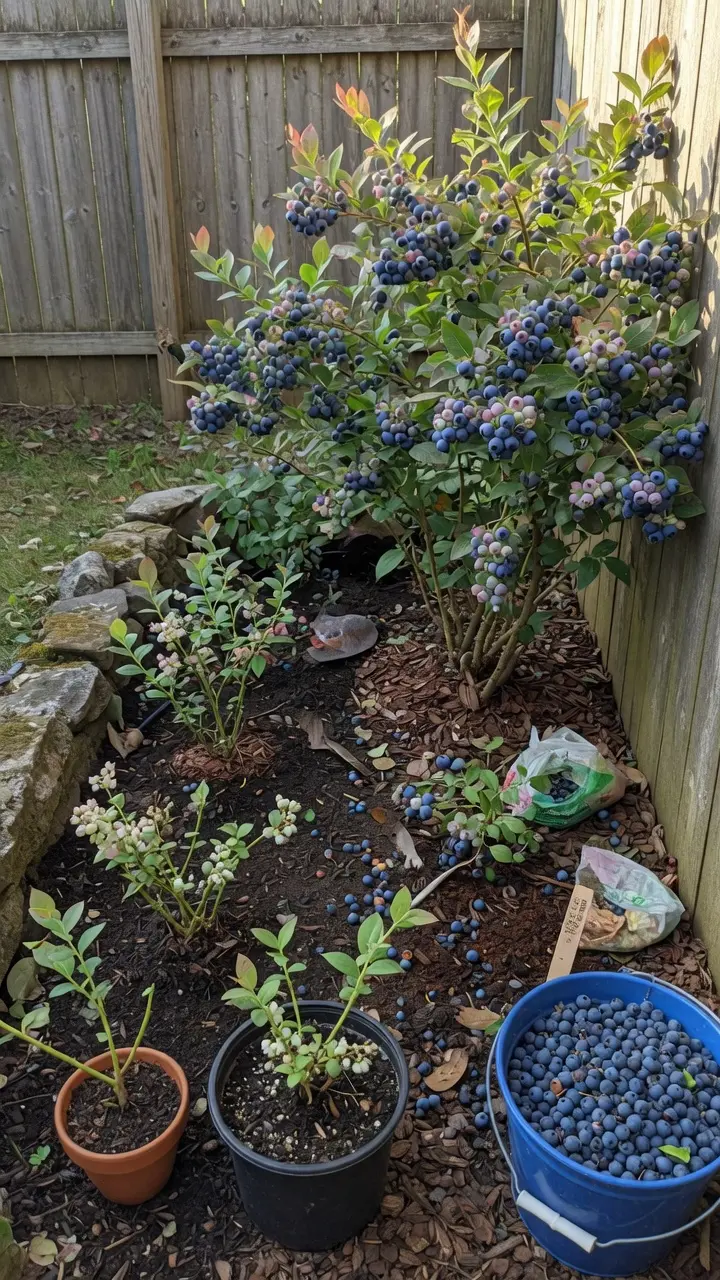
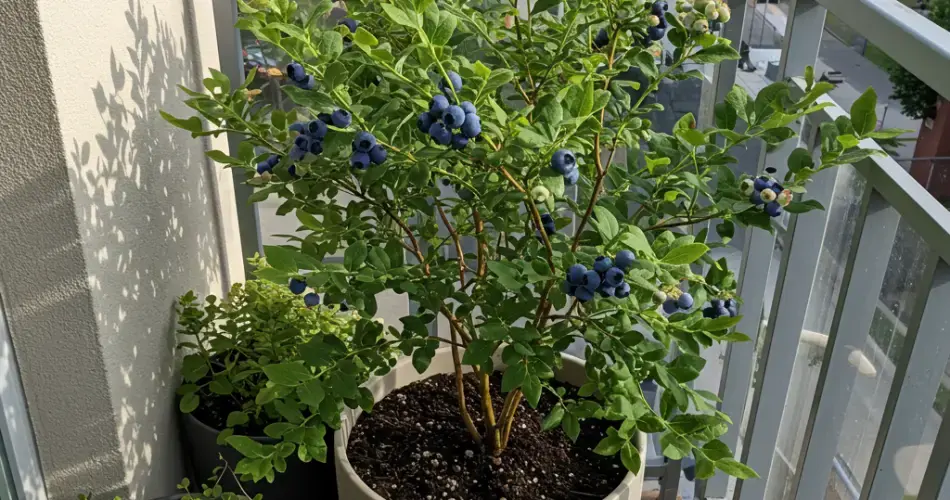
Blueberries are delicious, nutritious, and visually appealing fruits that can transform any balcony into a vibrant garden oasis. Even if you don’t have a backyard, growing blueberries on your balcony is not only possible but surprisingly easy with the right tips and care. Imagine harvesting fresh, juicy blueberries right outside your door—something your neighbors will definitely envy!
Here’s a comprehensive guide on how to grow blueberries on your balcony successfully, even if you are a beginner.
Why Grow Blueberries on Your Balcony?
Blueberries are a fantastic choice for balcony gardening because:
- They are compact shrubs that do well in containers.
- Blueberries are packed with antioxidants and vitamins.
- Growing your own reduces the cost and environmental impact of store-bought berries.
- They provide beautiful foliage and springtime flowers, adding aesthetic appeal.
- The sweet fruit harvest is incredibly rewarding.
Choosing the Right Blueberry Variety
Selecting the right blueberry variety is key to success on a balcony.
- Dwarf or container-friendly varieties such as ‘Top Hat,’ ‘Jelly Bean,’ or ‘Sunshine Blue’ are ideal because they stay compact and manageable.
- Highbush blueberries thrive in containers and can be very productive.
- Consider varieties that are suited to your climate and chill hour requirements for best results.
Selecting Containers and Soil
Blueberries need acidic soil and good drainage to thrive.
- Choose containers that are at least 16 to 18 inches deep with drainage holes.
- Large pots or grow bags allow for sufficient root space.
- Use a specialized acidic potting mix for acid-loving plants like blueberries. You can find mixes formulated for azaleas or rhododendrons, or create your own blend with peat moss, pine bark, and perlite.
- Avoid regular garden soil, which is often too alkaline and dense.
Planting Your Blueberries
Plant your blueberry bushes in containers filled with the acidic potting mix.
- Gently remove the plant from its nursery pot.
- Place the roots carefully into the new pot, ensuring the top of the root ball is level with the soil surface.
- Fill around the roots with soil, firm gently, and water thoroughly.
- Space multiple plants at least 18 to 24 inches apart in separate containers for good airflow.
Providing the Right Light
Blueberries love sun, so position your containers where they can receive at least 6 to 8 hours of direct sunlight daily.
- If your balcony is shaded, try to move the plants throughout the day or supplement with grow lights.
- Sunlight is essential for flowering and fruit production.
Watering Your Blueberry Plants
Consistent moisture is critical for blueberries.
- Keep the soil moist but not soggy.
- Water whenever the top inch of soil feels dry, especially during hot weather.
- Blueberries have shallow roots, so they dry out quickly in containers.
- Mulching the soil surface with pine needles or bark can help retain moisture and maintain acidity.
Feeding and Fertilizing
Blueberries have specific nutritional needs.
- Use fertilizers designed for acid-loving plants.
- Apply a balanced fertilizer with micronutrients like iron and magnesium in early spring and again in mid-summer.
- Avoid over-fertilizing, which can damage roots or reduce fruit quality.
Pollination Tips for Better Fruit
Most blueberry varieties are self-fertile, but planting two or more different varieties can improve pollination and increase fruit yields.
- Encourage pollinators by planting companion flowers like lavender or bee-friendly herbs nearby.
- If you notice poor fruit set, you can hand-pollinate flowers using a small paintbrush to transfer pollen.
Pruning and Maintenance
Pruning blueberry plants encourages healthy growth and fruit production.
- In late winter or early spring, remove dead or weak branches.
- Thin out older branches to allow sunlight to reach inner parts of the plant.
- Regular pruning promotes vigorous new growth and higher yields.
Protecting Your Blueberries
Blueberries can be vulnerable to pests and birds.
- Common pests include aphids, spider mites, and caterpillars; treat infestations early with insecticidal soap or neem oil.
- Birds love blueberries too, so use bird netting or garden fabric to protect ripening fruit.
- Keep an eye out for fungal diseases, especially in humid climates; ensure good air circulation and avoid overhead watering.
Harvesting Your Blueberries
- Blueberries typically ripen in mid to late summer.
- The berries are ready to harvest when they turn fully blue with a powdery surface bloom.
- Pick berries gently to avoid bruising.
- Regular harvesting encourages more fruit production.
Winter Care for Balcony Blueberries
Blueberries need a period of cold dormancy, even indoors.
- In cold climates, move containers to a sheltered, cool spot during winter or wrap pots with insulating material.
- Reduce watering as plants enter dormancy.
- Mulching helps protect roots from freezing temperatures.
Final Thoughts
Growing blueberries on your balcony is a rewarding experience that combines beauty, flavor, and health benefits. With the right variety, soil, light, and care, you can enjoy fresh berries straight from your container garden and impress your neighbors with your green thumb.
Start your blueberry journey today and turn your balcony into a fruitful paradise!
