
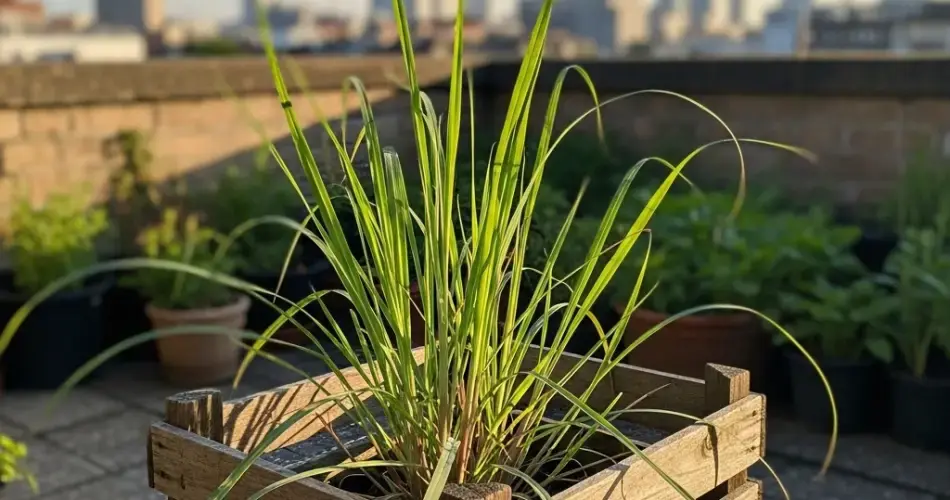
Fresh, homegrown herbs bring flavor, fragrance, and a sense of accomplishment to everyday living. Among the easiest and most rewarding herbs to cultivate is lemongrass (Cymbopogon citratus). Known for its citrusy aroma and versatility in cooking and tea-making, lemongrass can be started from something as simple as stalks purchased at the grocery store. With just a reclaimed wooden crate, a bit of soil, and sunshine, you can transform these market stalks into thriving plants on your balcony. This practical yet rustic method makes it possible to enjoy lemongrass harvests even in small urban spaces.
Why Grow Lemongrass at Home?
Lemongrass is popular in Asian and tropical cuisines, where it is used in curries, teas, marinades, and soups. Growing it at home offers several advantages:
- Culinary convenience – Always have fresh stalks available for tea or cooking.
- Fragrance – Its lemony aroma naturally refreshes outdoor spaces.
- Adaptability – Lemongrass thrives in containers, making it suitable for balconies and patios.
- Sustainability – Starting plants from grocery stalks and growing them in reclaimed crates reduces waste and costs.
Its tall, graceful leaves also add a decorative quality to small outdoor gardens, making it both functional and ornamental.
Starting Lemongrass from Grocery Stalks
One of the easiest ways to begin is with fresh stalks from the produce section of your local grocery store or market. Choose stalks that are firm, green, and still have intact bases.
- Prepare the stalks – Trim the tops and place the base ends in a glass of water.
- Encourage rooting – Set the glass in a sunny window or balcony spot, changing the water every few days.
- Watch for roots – Within one to two weeks, small roots will begin to form at the base.
- Ready to plant – Once roots are about 1–2 inches long, the stalks are strong enough to be planted in soil.
This simple process transforms everyday grocery stalks into new plants, ready for your crate garden.
Choosing and Preparing Wooden Crates
Lemongrass has dense root clumps and needs space to spread. Crates at least 14–18 inches deep and wide are best. Old fruit or wine crates can be repurposed into rustic planters with minimal preparation.
- Line the crate – Use burlap or landscape fabric to hold soil in place while allowing excess water to drain.
- Add drainage holes – Drill several at the bottom to prevent soggy roots.
- Elevate the crate – Place it on bricks or slats to improve airflow and keep the wood dry.
If you want to extend the crate’s life outdoors, coat it with a natural, plant-safe finish like linseed oil or beeswax.
The Right Soil for Lemongrass
Lemongrass prefers soil that is rich yet well-draining. A reliable mix includes:
- 2 parts potting soil
- 1 part compost for nutrients
- 1 part sand or perlite for aeration
This combination prevents waterlogging while supplying plenty of food for healthy growth. Refresh the soil each year with new compost or organic amendments.
Planting Lemongrass in Crates
After preparing the crate and rooting your stalks, you’re ready to plant:
- Fill the crate with your soil mix, leaving 2 inches at the top.
- Plant rooted stalks about 6 inches apart to allow them space to grow into clumps.
- Water thoroughly after planting to help roots settle.
Planting multiple stalks together encourages a lush, bushy appearance that looks decorative and provides more harvests.
Sunlight and Watering
Lemongrass thrives in warmth and sunlight. Place your crate in a spot that receives at least 6–8 hours of direct sunlight daily. If your balcony is shaded, move the crate to the sunniest available position.
Keep the soil consistently moist but not waterlogged. Because wooden crates dry out faster than the ground, check soil moisture regularly, especially during hot months. Mulching with straw or dried leaves helps conserve water and adds a rustic touch.
Harvesting and Using Lemongrass
Once your plants are established, you can begin harvesting:
- Stalks – Mature stalks can be cut at the base when thick and firm. Use them fresh in teas, soups, and curries.
- Leaves – Snip the long blades for tea infusions or to add fragrance to cooking.
- Preserving – Lemongrass can be dried, frozen, or chopped and stored for later use.
To keep your plant productive, harvest a few stalks at a time and allow younger shoots to continue developing.
Styling Balcony Crate Gardens
Beyond its practicality, lemongrass adds elegance to balcony gardens. Its tall, arching leaves provide height and texture, while rustic crates bring warmth and character. You can cluster crates of lemongrass with other herbs like mint, basil, or bay leaves to create a fragrant corner garden.
For added style, paint or decorate the crates, or arrange them at different heights to create layers of greenery. This not only makes your space more attractive but also maximizes limited balcony area.
Final Thoughts
Growing lemongrass from grocery stalks in balcony crates is simple, sustainable, and rewarding. With minimal supplies, you can turn ordinary market stalks into thriving plants that provide fragrance and flavor throughout the year. Crate gardening keeps the process rustic and eco-friendly, proving that fresh harvests are possible even in the smallest urban spaces.
From tea infusions to savory dishes, your homegrown lemongrass will quickly become a kitchen favorite while adding charm to your balcony. Easy, fragrant, and functional—it’s the perfect herb for crate gardening beginners and seasoned gardeners alike.
