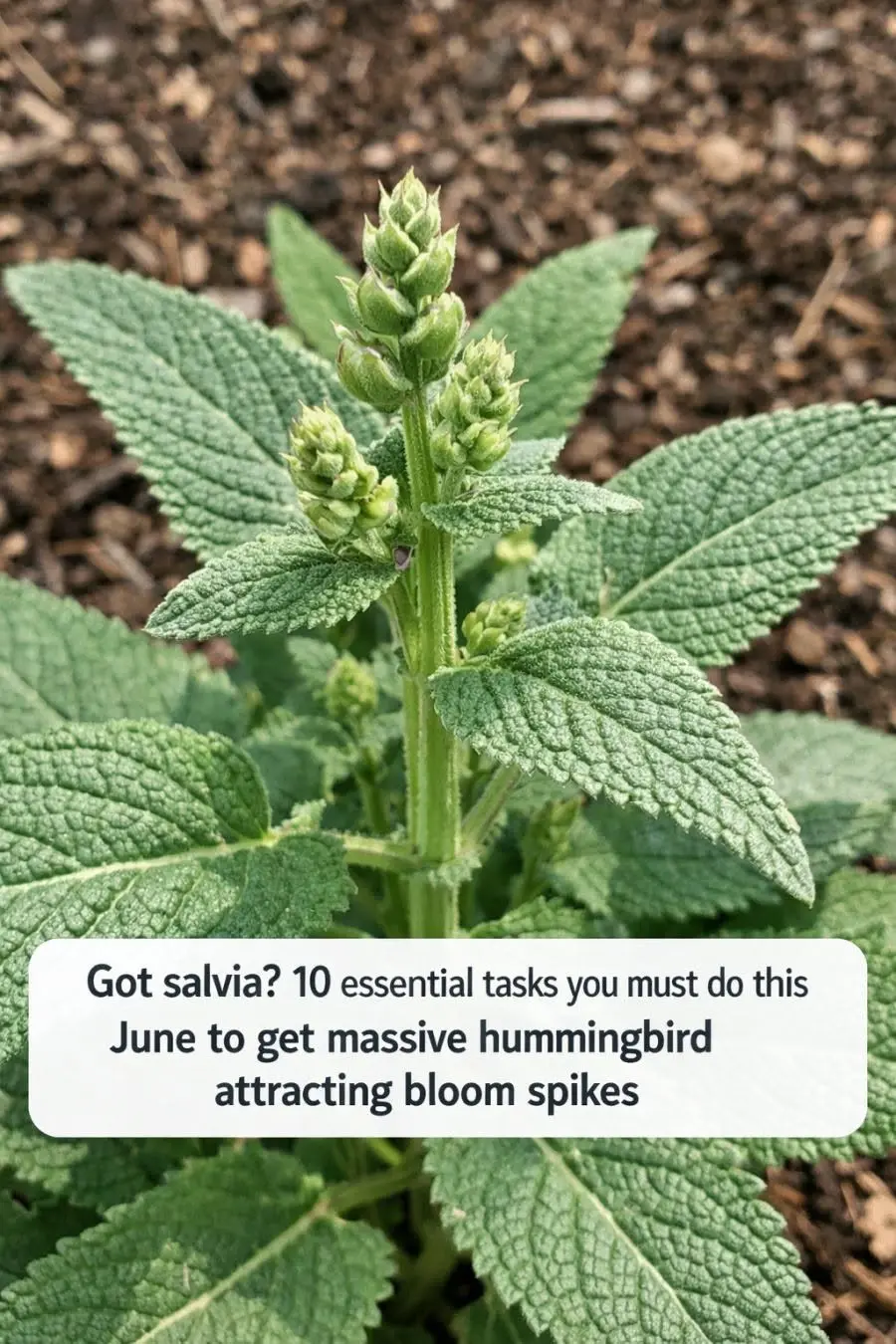
Salvias are a favorite among gardeners not just for their vibrant colors and easy maintenance but also for their incredible ability to attract hummingbirds. These beautiful plants can transform any garden into a lively sanctuary buzzing with activity. June is a critical month for salvias as they prepare to produce their most impressive bloom spikes. With the right care and attention, you can ensure that your salvias are ready to put on a spectacular show and draw in hummingbirds by the dozens.
Hummingbirds are attracted to the bright, tubular flowers of salvia, and by following a few essential steps, you can create an irresistible environment for these charming birds. From strategic pruning and feeding to pest management and watering techniques, each task plays a crucial role in achieving those massive bloom spikes. Let’s dive into the ten essential tasks you should undertake this June to make your salvias flourish.
1. Deadhead Spent Blooms To Trigger New Flower Spikes
Deadheading is the process of removing spent blooms from your salvias, and it’s crucial for encouraging new growth. By cutting off these faded flowers, you signal to the plant that it should produce more blooms instead of focusing energy on seed production. Use a pair of clean, sharp scissors or garden shears to snip the stems about a quarter-inch above the first set of healthy leaves or buds. This practice not only helps in producing new flower spikes but also keeps the plant looking tidy and vibrant.
Make it a habit to check your salvias weekly for spent blooms. Regular deadheading throughout June will keep your plants in continuous bloom and maximize their appeal to hummingbirds. Remember, the more you deadhead, the more blooms you will encourage, leading to a lush display of flowers.
2. Give Your Salvia A Strategic Early-Summer Haircut
Pruning your salvias in early summer is essential for maintaining their shape and encouraging bushier growth. This strategic haircut should be done after the first major blooming cycle in late spring or early June. Cut back the plants by about one-third of their height, focusing on stems that appear leggy or uneven. This not only helps in reducing the risk of plants becoming top-heavy but also stimulates new growth from the base.
When you prune, be sure to use clean and sharp shears to make precise cuts that heal quickly. Pruning in June sets the stage for a second flush of blooms and ensures your salvias remain dense and full, which is particularly appealing to hummingbirds.
3. Feed With A Bloom-Boosting Fertilizer Formula
To encourage those massive bloom spikes, feeding your salvias with the right fertilizer is key. Choose a bloom-boosting formula that is high in phosphorus, as this nutrient is essential for flower production. Apply a water-soluble fertilizer every two to three weeks throughout June, following the instructions on the label for the correct dilution ratio.
Make sure to water the soil before applying the fertilizer to prevent root burn. This extra nourishment will provide your salvias with the energy they need to produce abundant, vibrant flowers that will attract hummingbirds throughout the summer.
4. Water Deeply And Consistently To Fuel Spike Production
Consistent watering is crucial for salvias, especially during the growing season. Deep watering ensures that the roots receive enough moisture to support the production of large bloom spikes. Water your salvias deeply once or twice a week, depending on the weather conditions and soil type. Aim to provide about one inch of water per week, allowing it to soak deeply into the soil.
Avoid shallow and frequent watering, as it can lead to weak root systems and underwhelming blooms. Instead, focus on providing a thorough soak that reaches the root zone, which is typically about 6 to 8 inches deep. This will keep your salvias healthy and ready to produce those show-stopping spikes.
5. Mulch Smart To Lock In Moisture Without Smothering Stems
Applying mulch around your salvias helps to retain soil moisture and regulate temperature, which is beneficial for bloom production. Use organic mulch, such as shredded bark or wood chips, and spread a 2- to 3-inch layer around the base of each plant. Be careful not to pile mulch directly against the stems, as this can lead to rot and disease.
Mulch not only conserves moisture but also suppresses weeds that compete for nutrients. By keeping the soil consistently moist and nutrient-rich, your salvias will have the resources they need to produce abundant blooms and attract hummingbirds.
6. Pinch And Stake Young Stems For Taller, Fuller Spikes
Pinching back young salvia stems encourages bushier growth and more flower spikes. In early June, pinch off the top inch of new growth at the tips of the stems. This will stimulate branching and result in a fuller plant with more blooms. As the stems grow taller, consider staking them to provide support and prevent flopping.
Use bamboo stakes or metal plant supports, and gently tie the stems with soft garden ties or twine. This support system will keep your salvias upright and ensure that their showy spikes are prominently displayed, making them even more attractive to hummingbirds.
7. Weed And Clear Competition Around Each Plant
Weeds compete with salvias for water, nutrients, and light, which can hinder bloom production. Regularly inspect the area around your salvias and remove any weeds by hand or with a hoe. Be careful not to disturb the roots of your salvias when weeding.
Maintaining a weed-free zone around each plant ensures that your salvias have access to all the resources they need to produce large, healthy bloom spikes. This simple task can make a significant difference in the overall health and appearance of your salvias.
8. Protect Salvia From Pests That Strip Buds And Nectar
Pests such as aphids, spider mites, and whiteflies can quickly damage salvias by feeding on buds and nectar. Regularly inspect your plants for signs of infestation, such as discolored leaves or webbing. If you notice pests, treat them promptly with insecticidal soap or neem oil, following the instructions on the product label.
For a more natural approach, introduce beneficial insects such as ladybugs or lacewings, which prey on common salvia pests. Keeping your salvias pest-free will ensure that they remain healthy and capable of producing the vibrant blooms that hummingbirds love.
9. Create A Hummingbird Magnet Zone Around Your Salvias
To make your garden even more appealing to hummingbirds, consider planting companion flowers that provide additional nectar sources. Flowers such as bee balm, trumpet vine, and columbine are excellent choices. Group these plants around your salvias to create a hummingbird-friendly zone.
In addition to planting complementary flowers, consider adding a hummingbird feeder filled with a sugar-water solution. Position it near your salvias to encourage hummingbirds to visit your garden regularly. This combination of natural and supplemental nectar sources will help attract these delightful birds all season long.
10. Time Your Care For Peak July–August Hummingbird Traffic
June is the perfect time to prepare your salvias for the peak hummingbird season, which typically occurs in July and August. By following these essential tasks now, you’ll ensure that your salvias are in prime condition to produce abundant blooms just as hummingbird activity increases.
Keep a gardening journal to track your salvia care routine and make adjustments as needed. By timing your efforts strategically, you’ll create a vibrant and inviting garden that draws in hummingbirds and provides a stunning display of color throughout the summer.
