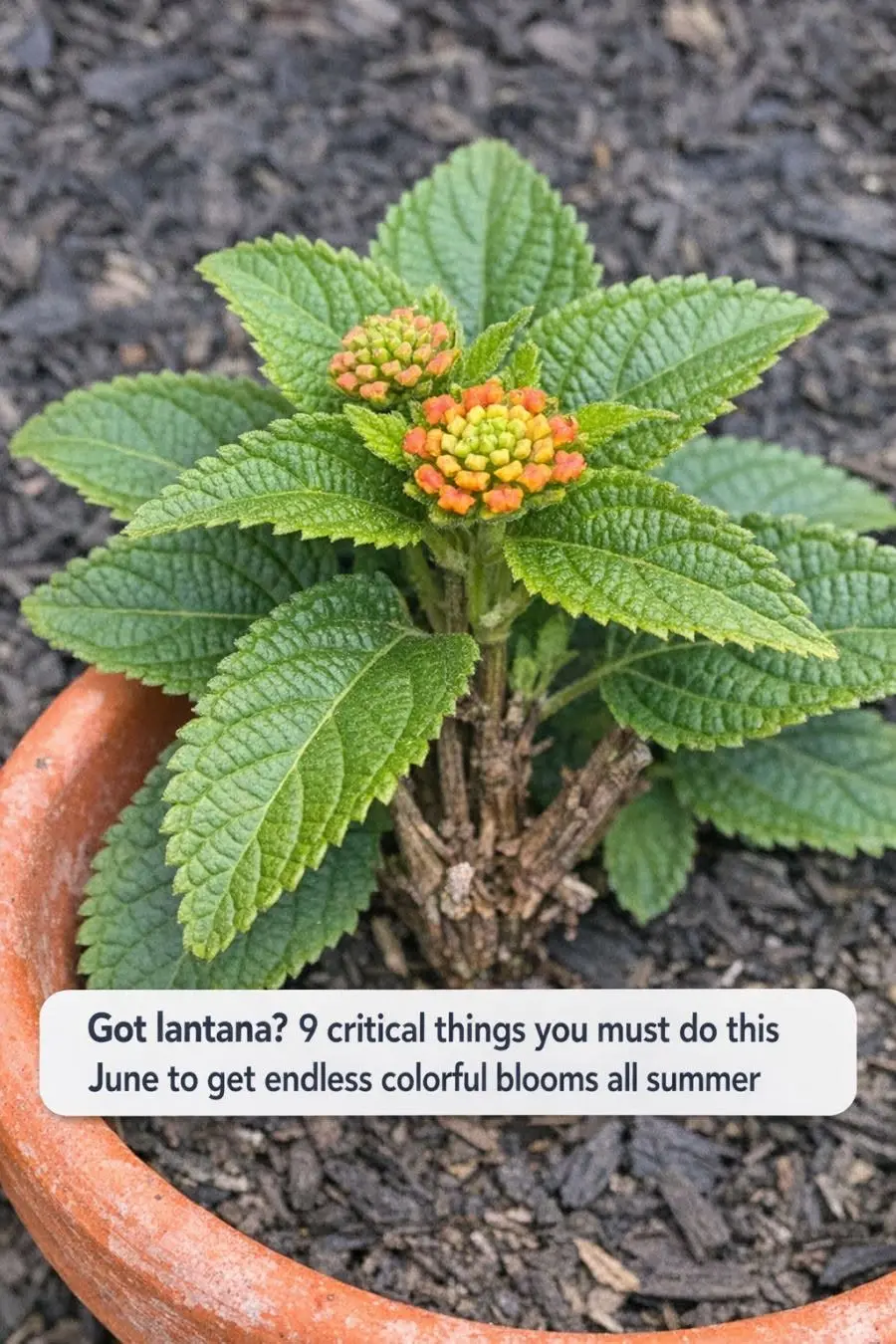
Lantana, with its vibrant hues and delightful fragrance, is a favorite among gardeners aiming to fill their landscapes with color all summer long. Known for its resilience and ability to bloom profusely, lantana can transform any garden into a tropical paradise. However, to ensure your lantana thrives and blooms continuously, specific care and attention are required, particularly as summer approaches.
June is a crucial month for lantana care, setting the stage for a successful blooming season. Whether you’re nurturing a new garden or maintaining an established one, there are essential tasks to perform to guarantee your lantana remains healthy and floriferous. From pruning techniques to pest management, mastering these nine critical tasks will reward you with endless vibrant blooms throughout the warmer months.
1. Cut Back Winter-Worn Stems To Trigger Fresh, Flower-Packed Growth
As summer approaches, it’s essential to prune your lantana to encourage new growth and abundant flowering. Begin by removing any dead or damaged stems left over from winter. Use clean, sharp pruning shears and cut back the stems by about one-third of their length. This not only promotes vigorous new growth but also enhances air circulation within the plant, reducing the risk of disease.
Be sure to prune in the early part of June before the intense summer heat sets in. This timing allows the plant to recover quickly and produce new buds that will bloom throughout the season. Regular pruning also helps maintain the shape of the plant, preventing it from becoming too leggy or overgrown.
2. Feed With The Right Fertilizer Formula For Nonstop Blooms, Not Just Leaves
Lantanas are heavy feeders during their active growing season, so providing the right nutrients is crucial. Opt for a balanced, water-soluble fertilizer with a ratio such as 10-10-10 or a bloom booster formula with a higher phosphorus content like 10-20-10. This ensures that the plant receives adequate nutrients for both foliage growth and flower production.
Apply the fertilizer every four to six weeks, starting in early June. Be careful not to over-fertilize, as this can lead to lush foliage at the expense of blooms. Always follow the manufacturer’s instructions and water the plants thoroughly after fertilizing to prevent root burn.
3. Master Deep, Infrequent Watering So Lantana Flowers Instead Of Sulking
Lantana thrives with a watering routine that mimics its natural environment. Deep, infrequent watering is key to encouraging a robust root system and consistent blooming. Water your lantana deeply once a week, allowing the soil to dry out between waterings. This approach prevents root rot and encourages the plant to flower instead of producing excessive foliage.
In particularly hot or dry climates, you may need to increase the frequency slightly, but always ensure the top inch of soil is dry before watering again. Mulching around the base can help retain moisture and reduce the need for frequent watering during the peak of summer.
4. Give Lantana All-Day Sun And Heat By Fixing Hidden Shade Problems
Lantana loves the sun and requires a minimum of six to eight hours of direct sunlight each day to bloom prolifically. As you prepare your garden in June, assess your lantana’s location to ensure it receives adequate sunlight. Trim any overhanging branches or relocate plants that may be casting unwanted shade.
If your garden has limited sun exposure, consider planting lantana in pots that can be moved to sunnier spots. Remember, the more sunlight your lantana receives, the more vibrant and plentiful the blooms will be.
5. Deadhead And Lightly Shear Spent Blooms To Spark Continuous Reblooming
To keep your lantana flowering continuously, regular deadheading is essential. Remove spent blooms by pinching them off with your fingers or using small scissors. This prevents the plant from diverting energy into seed production and encourages the development of new flowers.
In addition to deadheading, lightly shear the plant every few weeks. This involves trimming the tips of the stems to maintain a compact shape and stimulate further blooming. This practice not only enhances the plant’s appearance but also promotes a steady supply of flowers throughout the summer.
6. Tackle Aphids, Whiteflies, And Mites Before They Wreck Your Flower Show
Pests like aphids, whiteflies, and spider mites can quickly turn a beautiful lantana into a struggling plant. Regularly inspect your plants for signs of infestation, such as discolored leaves or sticky residue. Use a strong jet of water to dislodge pests or apply insecticidal soap as needed.
Introduce beneficial insects like ladybugs or lacewings, which are natural predators of these pests. Maintaining a healthy plant through proper watering and feeding also helps lantana resist pest attacks. Early detection and intervention are crucial for keeping your lantana pest-free and blooming.
7. Refresh Containers With New Soil, Bigger Pots, And Smart Companion Plants
If you’re growing lantana in containers, refreshing the soil in June is a beneficial practice. Gently remove the plant from its pot and replace the old soil with fresh potting mix to provide new nutrients. Consider upgrading to a larger pot if the roots are crowded, which can hinder growth and blooming.
Incorporate companion plants such as marigolds or verbena, which not only complement lantana aesthetically but also attract beneficial insects. Ensure that the container has adequate drainage to prevent waterlogging, which can stunt the plant’s growth.
8. Train And Shape Lantana For Cascading Baskets, Hedges, Or Colorful Groundcovers
Lantana is incredibly versatile and can be trained to suit various garden styles. For cascading baskets, select a trailing variety and regularly pinch back the tips to encourage fullness. If you’re aiming to create a hedge, prune regularly to promote a dense, bushy growth.
As a groundcover, space plants about 2 to 3 feet apart and allow them to spread naturally. Regular pruning and training help maintain the desired shape and prevent the plants from becoming unruly. Tailor your pruning techniques to suit the specific garden style you desire.
9. Multiply Your Best Plants With Easy Cuttings For Even More Summer Color
Propagating lantana from cuttings is a simple and cost-effective way to expand your garden’s color palette. Select healthy, non-flowering shoots and cut 4 to 6-inch sections just below a node. Remove the lower leaves and dip the cut end in rooting hormone for best results.
Plant the cuttings in a well-draining potting mix and keep them in a warm, humid environment. Within a few weeks, roots should develop, and the new plants can be transplanted into the garden. This method not only extends your lantana display but also ensures you have backup plants in case of any losses.
