
Daylilies are among the easiest and most rewarding perennials you can grow. Their vibrant colors, impressive hardiness, and ability to thrive in a wide range of conditions make them a favorite in gardens across the country. But if you want truly spectacular blooms this summer, June is the month that can make all the difference.
As temperatures rise and daylilies enter their most active growth period, a few simple maintenance tasks can dramatically increase flower size, boost bloom production, and keep plants healthy throughout the season. Ignore them, and you may still get flowers—but perhaps not the breathtaking display your plants are capable of producing.
Here are the 10 essential June tasks every daylily grower should tackle for larger, healthier, and more abundant blooms.
Why June Is So Important for Daylilies
June is often the transition period between vigorous spring growth and peak flowering. During this time, daylilies are directing enormous amounts of energy into producing buds, developing flower stalks, and strengthening their root systems.
Proper care now ensures that plants have everything they need to create bigger flowers, stronger stems, and longer bloom periods.
Think of June as the preparation stage for the spectacular summer show ahead.
1. Deep Watering Is Essential
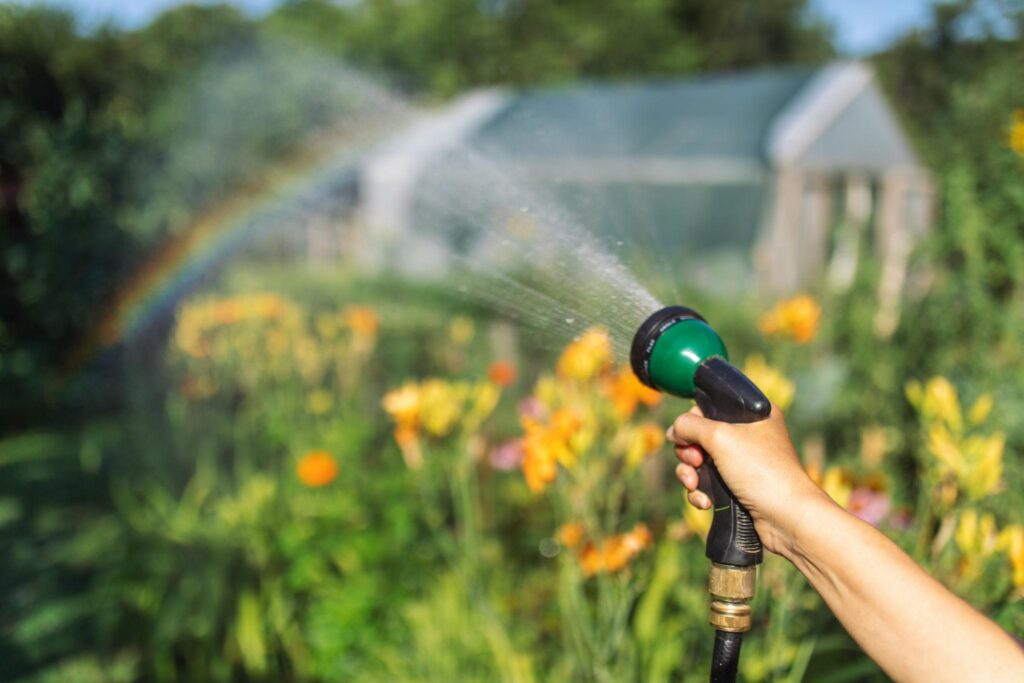
One of the biggest mistakes gardeners make is assuming daylilies don’t need much water because they are drought tolerant.
While established plants can survive dry conditions, they produce their best blooms when consistently watered.
Aim for:
- 1 to 1.5 inches of water per week
- Deep watering sessions rather than daily sprinkling
- Moist soil reaching several inches below the surface
Deep watering encourages roots to grow downward, making plants stronger and more resilient.
Large blooms require plenty of moisture during bud development.
2. Remove Weeds Around the Base
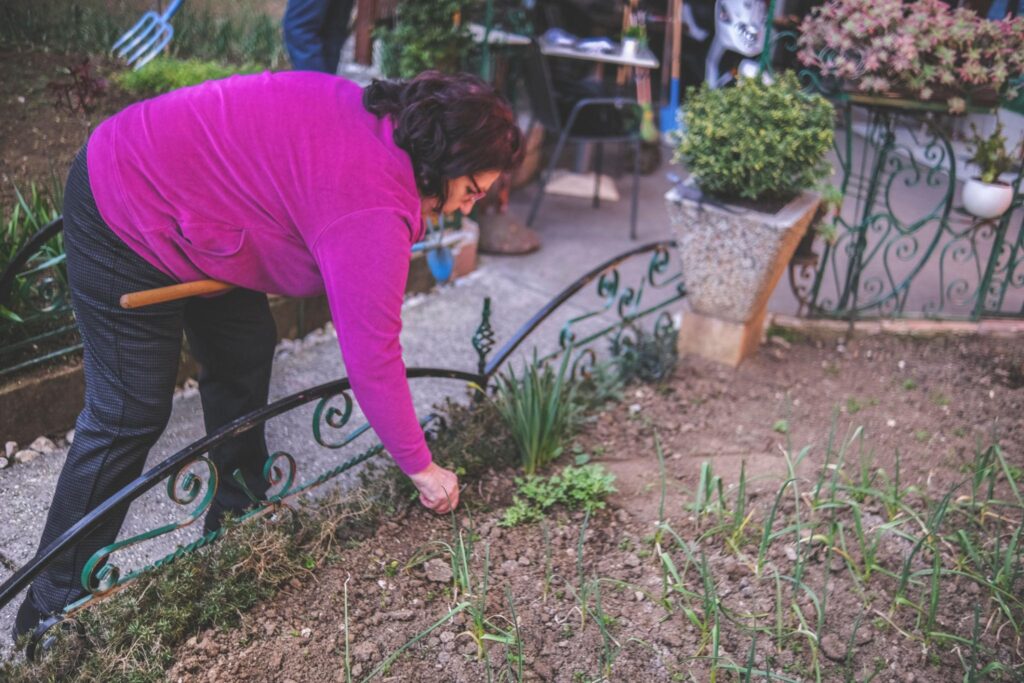
Weeds compete directly with daylilies for:
- Water
- Nutrients
- Sunlight
- Root space
Even small weeds can steal resources needed for flower production.
Carefully remove unwanted growth by hand or use a hoe to cultivate lightly around the plants.
A weed-free garden bed allows daylilies to focus their energy where it belongs—creating flowers.
3. Apply Fresh Mulch
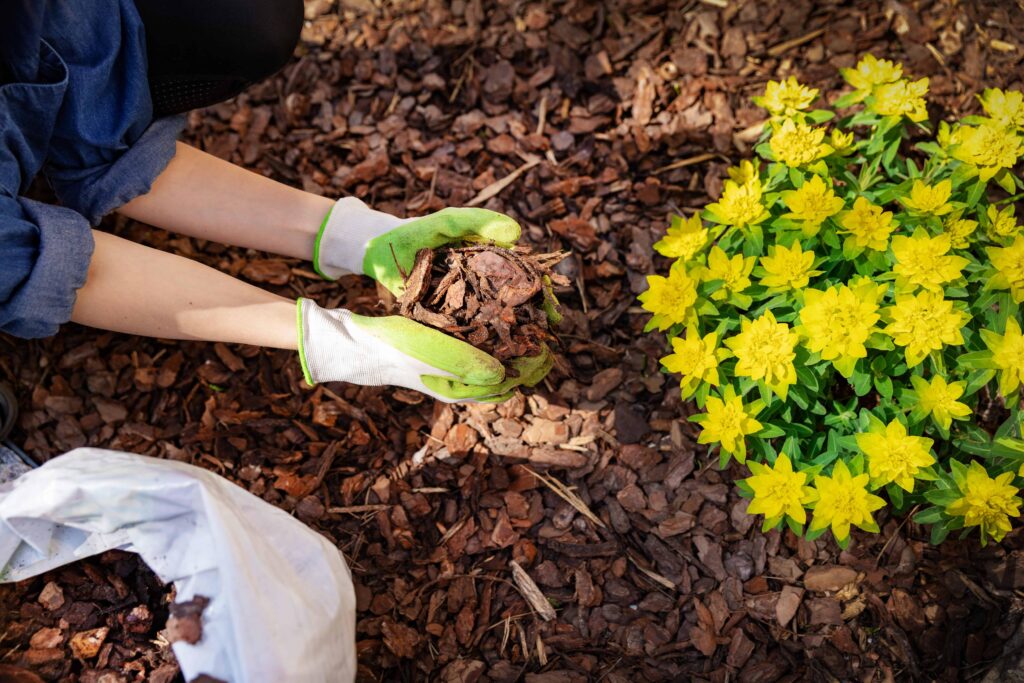
Mulch serves several important functions during June.
Benefits include:
| Benefit | Why It Matters |
|---|---|
| Moisture retention | Reduces watering needs |
| Weed suppression | Prevents competition |
| Temperature control | Protects roots during heat |
| Soil improvement | Adds organic matter over time |
Apply 2–3 inches of organic mulch around plants, keeping it slightly away from the crown to prevent rot.
Shredded bark, compost, or pine straw all work well.
4. Feed Plants With the Right Fertilizer
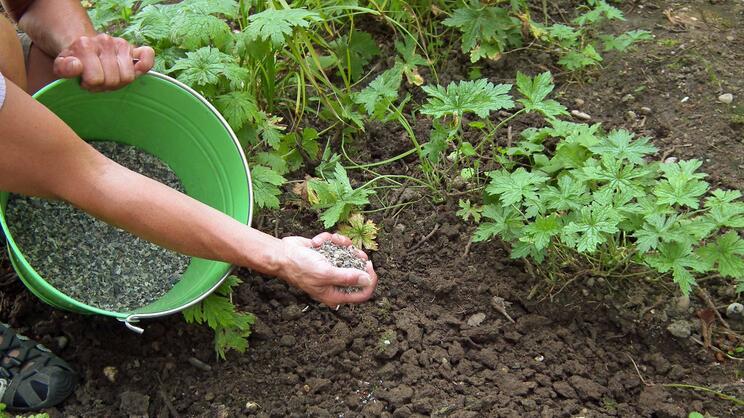
Daylilies are not heavy feeders, but June is an excellent time for a balanced fertilizer application.
Look for products with moderate levels of:
- Nitrogen
- Phosphorus
- Potassium
Too much nitrogen encourages leafy growth at the expense of flowers.
A balanced slow-release fertilizer helps support strong stems and larger blooms without overwhelming the plant.
Always water thoroughly after fertilizing.
5. Inspect for Pests
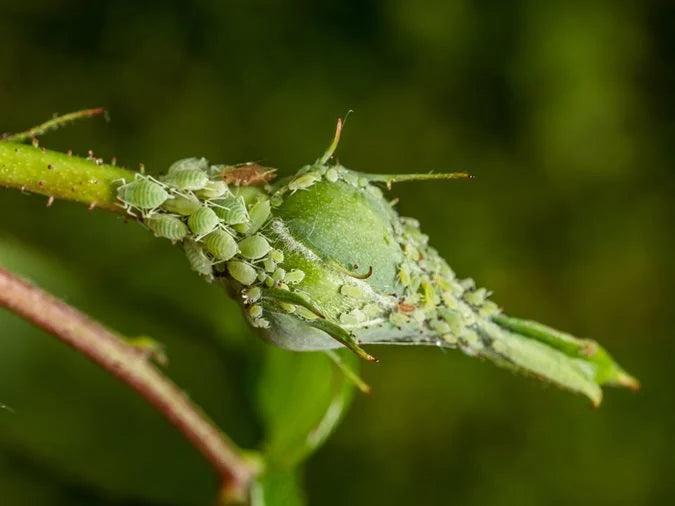
Although daylilies are relatively pest resistant, several insects can reduce flower quality.
Watch for:
Watch for:
- Aphids
- Spider mites
- Thrips
- Daylily gall midges
Early detection makes treatment much easier.
Check:
- Flower buds
- Undersides of leaves
- New growth
Healthy foliage directly contributes to better flowering performance.
6. Remove Damaged Leaves
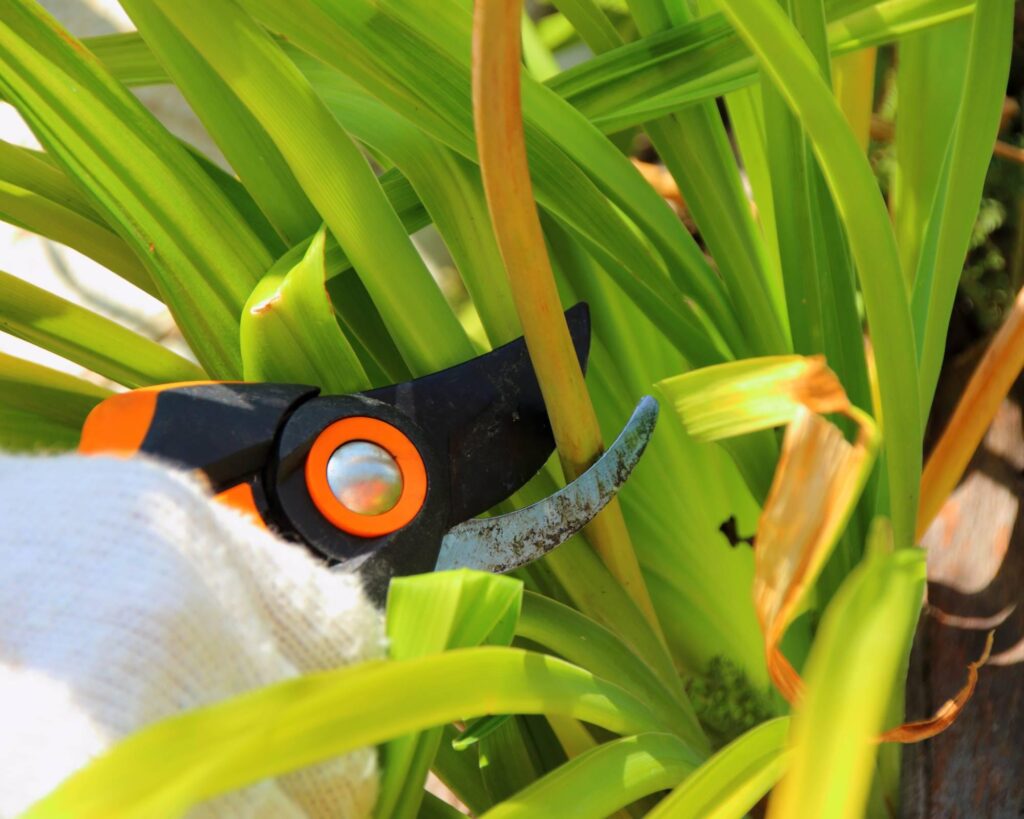
June is a great time to clean up foliage.
Remove leaves that are:
- Yellowing
- Broken
- Diseased
- Severely damaged
This improves air circulation and allows the plant to direct more energy toward flower production.
Clean foliage also makes your garden look more attractive and helps reduce disease risks.
7. Support Tall Flower Scapes
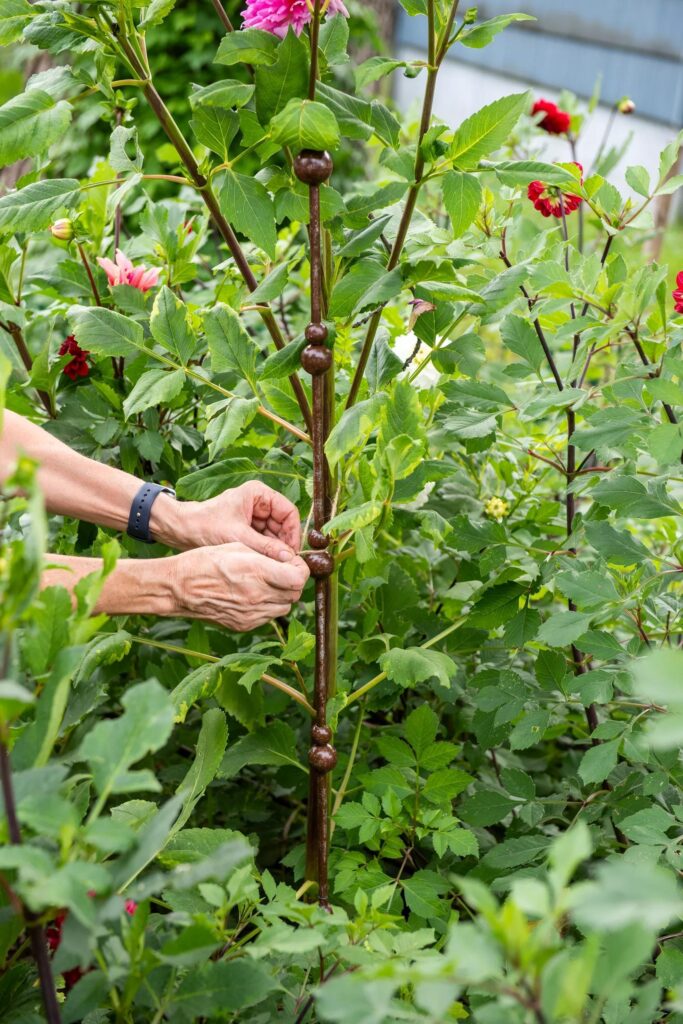
Many modern daylily varieties produce large blooms on tall stems known as scapes.
Heavy rain, wind, or oversized flowers can cause stems to lean or collapse.
If necessary:
- Install plant supports
- Use garden stakes
- Tie loosely with soft garden ties
Supporting stems early helps maintain an attractive display and prevents flower damage.
8. Divide Overcrowded Clumps
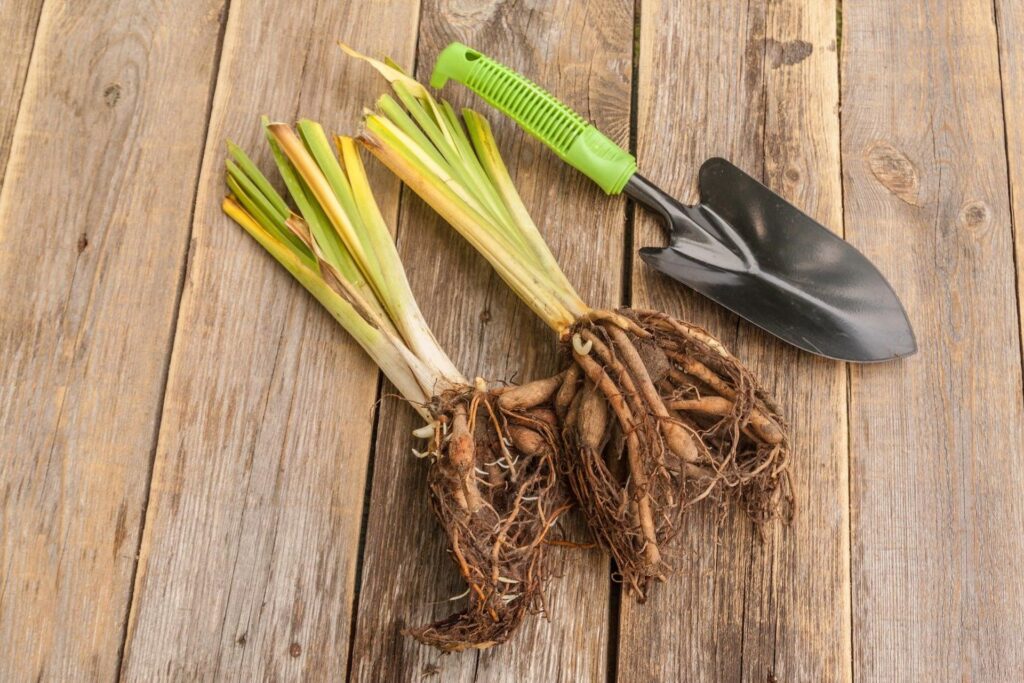
If your daylilies have been in the same location for several years, overcrowding may reduce blooming.
Common signs include:
- Smaller flowers
- Fewer blooms
- Dense root masses
- Weak growth in the center
While many gardeners divide in late summer or fall, June is a good time to identify which clumps need attention later in the season.
Mark overcrowded plants now so you don’t forget.
9. Deadhead Spent Flowers Daily
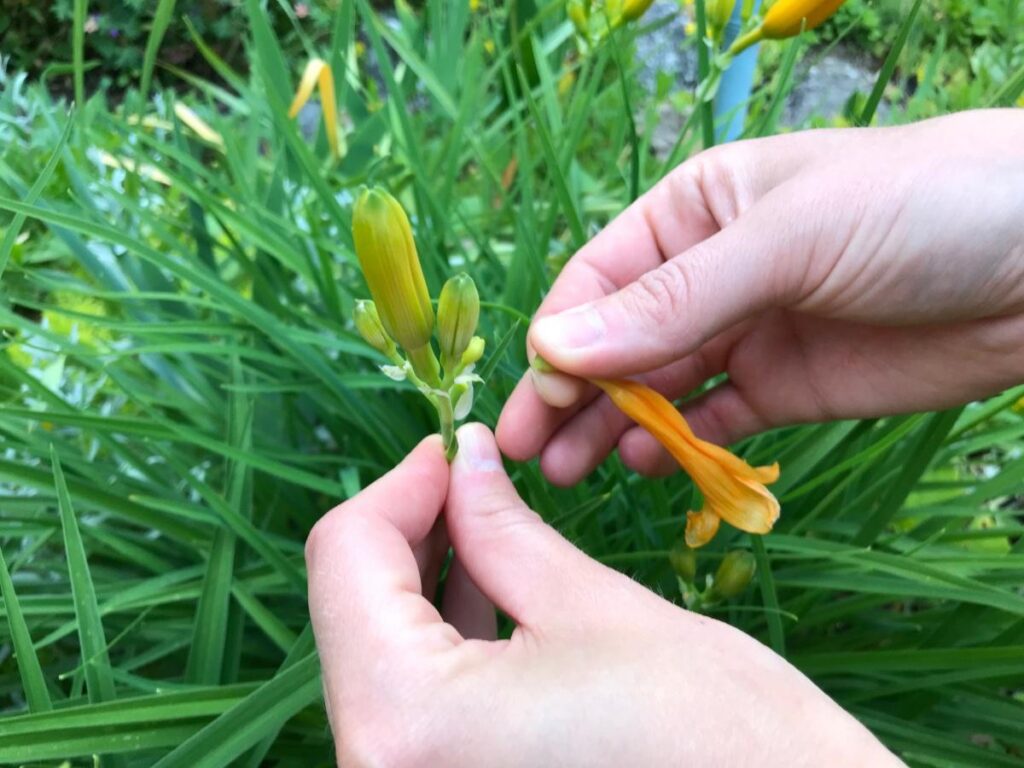
Each daylily bloom typically lasts only one day.
Fortunately, plants produce numerous buds over an extended period.
Removing faded flowers:
- Improves appearance
- Reduces seed production
- Encourages energy conservation
- Keeps plants blooming beautifully
Spend just a few minutes each morning removing yesterday’s flowers.
The results are worth the effort.
10. Monitor Bud Development Closely
June is when flower buds begin swelling rapidly.
Take time to inspect plants every few days.
Look for:
- Healthy bud formation
- Signs of insect damage
- Browning buds
- Missing buds
- Stem abnormalities
Catching problems early often means the difference between a stunning display and a disappointing season.
Regular observation is one of the most valuable gardening habits you can develop.
Bonus Tip: Give Daylilies Plenty of Sun
Even perfect care cannot compensate for insufficient sunlight.
For maximum bloom production, most daylily varieties need:
- At least 6 hours of direct sun daily
- Preferably 8 hours or more
Plants growing in excessive shade often produce fewer flowers and weaker stems.
If blooms have been disappointing for several years, sunlight may be the real issue.
Common June Mistakes That Reduce Bloom Size
Avoid these common errors if you want larger flowers:
| Mistake | Result |
|---|---|
| Overwatering | Root stress and rot |
| Excess nitrogen | More leaves, fewer flowers |
| Ignoring pests | Damaged buds |
| Dense weeds | Reduced bloom production |
| No mulch | Faster soil drying |
| Heavy shade | Smaller flower displays |
Preventing these mistakes is often easier than fixing problems later.
What Bigger Blooms Really Need
Many gardeners search for a secret fertilizer or miracle product to produce enormous flowers.
The truth is much simpler.
The largest daylily blooms typically come from plants that receive:
- Consistent moisture
- Adequate sunlight
- Healthy soil
- Proper nutrition
- Good air circulation
- Regular maintenance
When all these factors work together, daylilies can perform at their absolute best.
The Reward: A Summer Full of Color
Few perennials offer the reliability and beauty of daylilies. With hundreds of varieties available in nearly every color imaginable, they can transform ordinary landscapes into vibrant displays that last for weeks.
By focusing on these ten essential June tasks, you’ll help your plants build the strength they need for larger blooms, healthier foliage, and an unforgettable summer show.
A little attention now can mean dozens—or even hundreds—of extra flowers later. So grab your gardening gloves, spend a few hours with your daylilies this month, and prepare to enjoy some of the biggest, brightest blooms you’ve ever grown.
