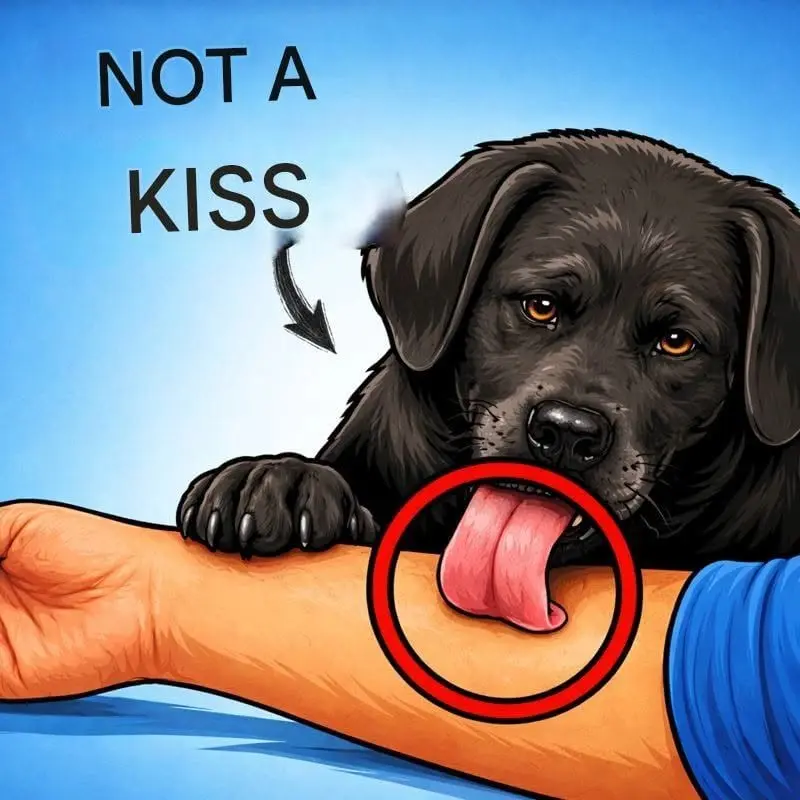
If your dog licks your hand, face, or arm, many people call it a “kiss.” It often looks affectionate — and sometimes it is — but canine behavior experts say licking can mean several different things. Depending on the situation, it may be affection, communication, stress, or simply curiosity.
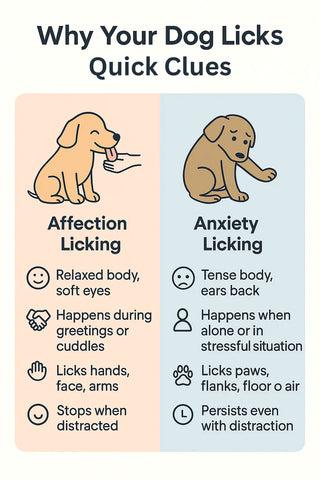
The image captures a common misunderstanding: a dog’s lick is not always a human-style expression of love. It can be more complex than that.
Why Dogs Lick Humans
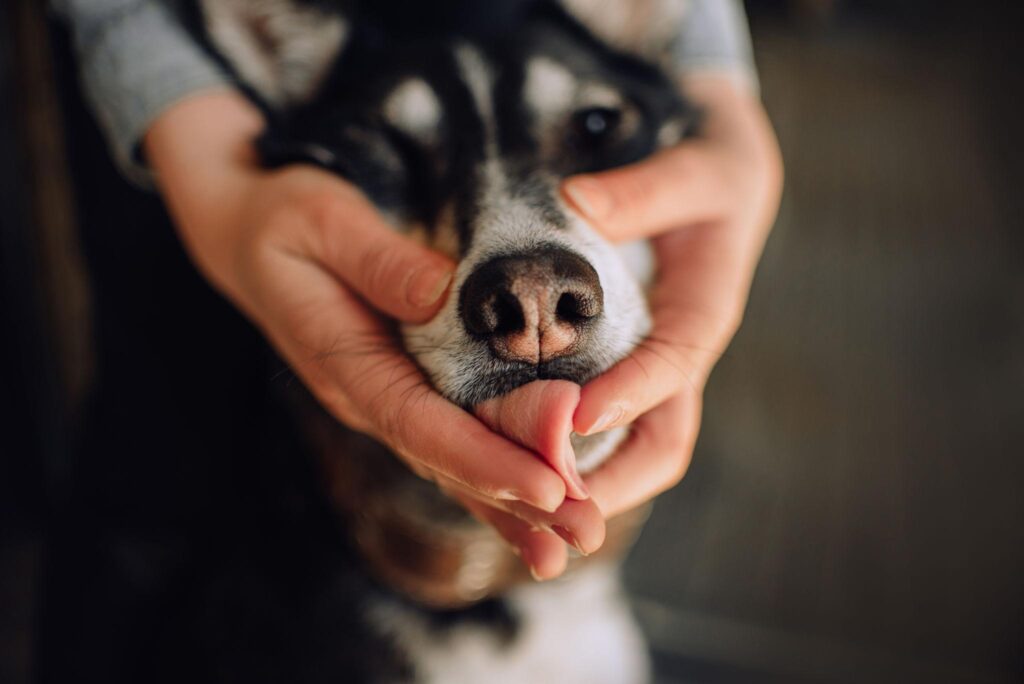
Dog licking is a natural behavior that starts in puppyhood. Puppies lick their mother and littermates as part of bonding and communication. Many adult dogs continue this behavior with humans.
Common reasons include:
- affection
- seeking attention
- exploring scents and tastes
- stress relief
- social bonding
- submissive behavior
1. It Can Be a Sign of Affection
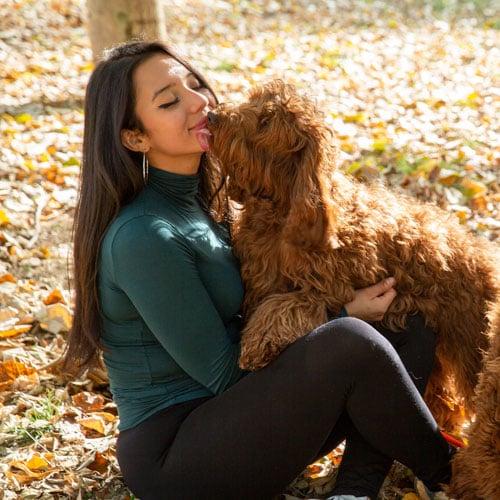
Dogs often lick people they trust. Many use licking to strengthen social bonds, similar to how wild canines groom each other.
A dog that approaches calmly with relaxed body language and gentle licking is often showing comfort and familiarity.
2. They Like the Taste of Your Skin
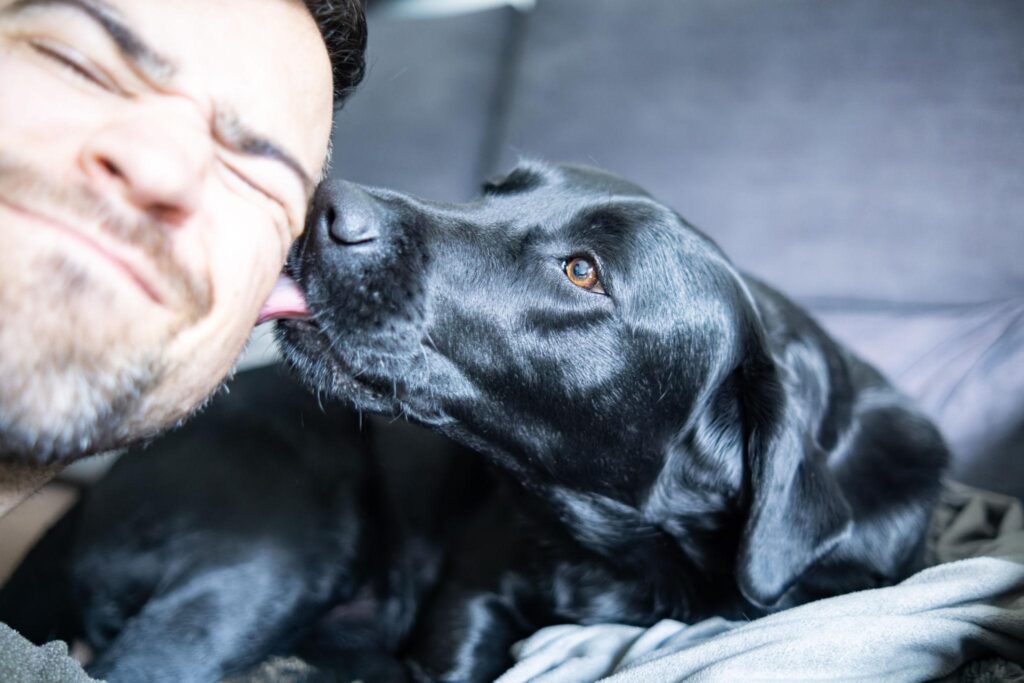
Human skin carries:
- salt from sweat
- food traces
- lotions
- scents
Dogs have an extremely sensitive sense of smell and taste. Sometimes they lick simply because your skin tastes interesting.
3. It May Be a Stress Signal
Some dogs lick excessively when nervous.
If licking happens alongside:
- yawning
- avoiding eye contact
- tucked tail
- lip licking
- pacing
it may signal anxiety rather than affection.
What Studies Show
Research into canine social behavior suggests licking can play multiple roles beyond affection.
A study published in Applied Animal Behaviour Science has noted that dogs use licking as part of social communication and appeasement behaviors, especially in interactions with familiar humans.
Another area of study from veterinary behavior researchers shows repetitive licking may increase when dogs are stressed or trying to calm themselves in unfamiliar situations.
These findings support the idea that licking should be understood together with the dog’s overall body language.
Is It Safe?
Is It Safe?
Usually casual licking on intact skin is low risk for healthy adults, but dogs’ mouths are not sterile.
Some bacteria can be present, so it’s wise to:
- wash after face licking
- avoid letting dogs lick open cuts
- supervise children
- maintain regular pet dental care
When Licking Becomes Excessive
If your dog suddenly starts licking much more than usual, it may signal:
- boredom
- anxiety
- skin irritation
- digestive issues
- learned attention-seeking
If the change is sudden or obsessive, a veterinarian may help rule out medical causes.
How to Tell What Your Dog Means
Look at the whole picture.
Likely affection if:
- relaxed ears
- soft eyes
- wagging tail
- calm posture
May indicate stress if:
- stiff body
- repeated licking
- panting indoors
- avoiding interaction
Interesting Fact
Dogs may also lick because they’ve learned it gets a reaction. If every lick earns petting, laughter, or attention, they may repeat it simply because it works.
Final Thought
A dog licking you may be affection, communication, curiosity, or stress — sometimes all at once. The key is not the lick alone but the surrounding body language.
So yes, it can be a “kiss”… but sometimes your dog is really saying something very different.
