
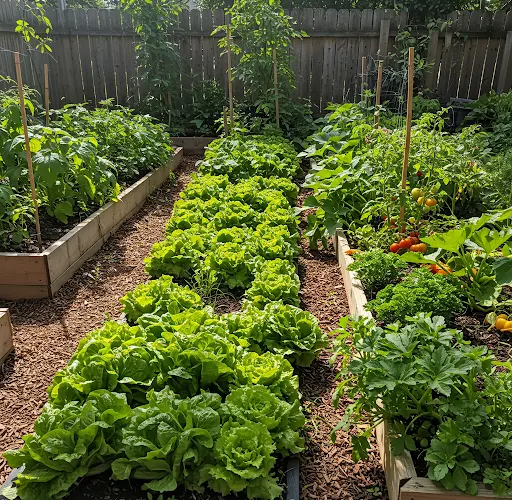
Gardening is a rewarding and fulfilling activity that brings joy, fresh produce, and a sense of accomplishment. However, for beginners, it can be overwhelming to navigate the world of soil, plants, watering schedules, and pest control. The good news is that gardening does not have to be complicated. With the right approach and some simple strategies, anyone can achieve a thriving garden. This guide will walk you through the essential steps to ensure gardening success, even if you’re just starting out.
Choosing the Right Location
One of the most critical factors for gardening success is selecting the right location. Most plants, especially vegetables and flowers, need at least 6-8 hours of direct sunlight daily. Here are some tips for choosing the best spot:
- Observe Sunlight Patterns: Track the sunlight in your yard or balcony throughout the day to find the best location.
- Ensure Good Drainage: Avoid areas where water collects, as too much moisture can lead to root rot.
- Provide Wind Protection: Strong winds can damage plants, so consider using a fence, hedge, or windbreak.
- Accessibility: Choose a spot that is easy to reach for regular watering, weeding, and harvesting.
Preparing the Soil
Healthy soil is the foundation of a successful garden. Beginners often overlook this step, leading to poor plant growth. Follow these steps to improve your soil quality:
- Test Your Soil: A simple soil test kit can determine pH levels and nutrient content.
- Add Organic Matter: Compost, aged manure, and leaf mold improve soil structure and fertility.
- Loosen the Soil: Use a garden fork or tiller to break up compacted soil for better root growth.
- Mulch: Applying a layer of mulch helps retain moisture, prevent weeds, and regulate soil temperature.
Choosing the Right Plants
As a beginner, it’s best to start with plants that are easy to grow and require minimal maintenance. Some great options include:
Vegetables:
- Lettuce
- Radishes
- Carrots
- Tomatoes
- Peppers
Herbs:
- Basil
- Mint
- Chives
- Parsley
- Rosemary
Flowers:
- Marigolds
- Zinnias
- Sunflowers
- Petunias
- Pansies
Choosing plants suited to your local climate and season will increase your chances of success.
Planting Techniques for Success
Planting correctly is just as important as selecting the right plants. Follow these best practices:
- Read Seed Packets and Labels: Each plant has specific spacing, depth, and care requirements.
- Water After Planting: Give newly planted seeds or seedlings a thorough watering to help them establish roots.
- Use Companion Planting: Some plants grow better together. For example, tomatoes and basil are great companions, while carrots and onions help deter pests from each other.
- Start Small: Begin with a small garden plot or container garden to gain experience before expanding.
Proper Watering Techniques
Watering is essential, but many beginners make the mistake of overwatering or underwatering. Here are some tips for the right approach:
- Water in the Morning: This allows plants to absorb moisture before the heat of the day.
- Check Soil Moisture: Stick your finger into the soil. If it feels dry an inch below the surface, it’s time to water.
- Use Mulch: A layer of mulch helps retain moisture and reduces the frequency of watering.
- Water Deeply: Instead of frequent shallow watering, soak the soil thoroughly to encourage deep root growth.
Pest and Disease Control
Pests and diseases can quickly damage a garden if left unchecked. Preventative measures and natural solutions can help keep your plants healthy.
- Encourage Beneficial Insects: Ladybugs, praying mantises, and bees help control pests naturally.
- Use Neem Oil or Insecticidal Soap: These organic treatments help manage common garden pests.
- Rotate Crops: Avoid planting the same crops in the same location each year to prevent soil-borne diseases.
- Remove Weeds Regularly: Weeds compete with plants for nutrients and can harbor pests.
- Check Plants Daily: Inspect leaves and stems for signs of damage or disease and take action early.
Container Gardening for Beginners
If you have limited space, container gardening is an excellent alternative. You can grow vegetables, herbs, and flowers in pots on a balcony, patio, or windowsill. Here’s how to get started:
- Choose the Right Container: Use pots with drainage holes to prevent root rot.
- Select High-Quality Potting Soil: Garden soil is too heavy for containers; use a light, well-draining mix.
- Water More Frequently: Containers dry out faster than garden beds, so check moisture levels regularly.
- Fertilize as Needed: Nutrients in containers get depleted faster, so use organic fertilizers like compost tea or fish emulsion.
Seasonal Gardening Tips
Gardening success depends on understanding seasonal changes and adapting accordingly. Here’s a basic guide:
Spring:
- Start planting cool-season crops like lettuce, spinach, and peas.
- Prepare beds with compost and mulch.
Summer:
- Keep up with watering and pest control.
- Harvest regularly to encourage continued production.
Fall:
- Plant cold-hardy vegetables like kale and carrots.
- Collect leaves for composting.
Winter:
- Protect plants with row covers in cold climates.
- Plan next season’s garden and order seeds.
Harvesting and Enjoying Your Garden
One of the best parts of gardening is harvesting and enjoying the fruits of your labor. Here are some tips for successful harvesting:
- Harvest at the Right Time: Pick vegetables and herbs when they’re at peak ripeness for the best flavor.
- Use Clean Tools: Sterilize pruning shears and knives to prevent disease spread.
- Store Produce Properly: Some vegetables like tomatoes should not be refrigerated, while root vegetables can be stored in a cool, dark place.
- Share with Others: If you have an abundance, consider sharing with friends, family, or a local food pantry.
Final Thoughts
Gardening is a journey, and even the most experienced gardeners continue to learn and improve. By following these beginner-friendly tips, you can create a thriving and productive garden. Start small, be patient, and enjoy the process. With time and care, your garden will reward you with beautiful flowers, fresh vegetables, and a deep sense of satisfaction. Happy gardening!
