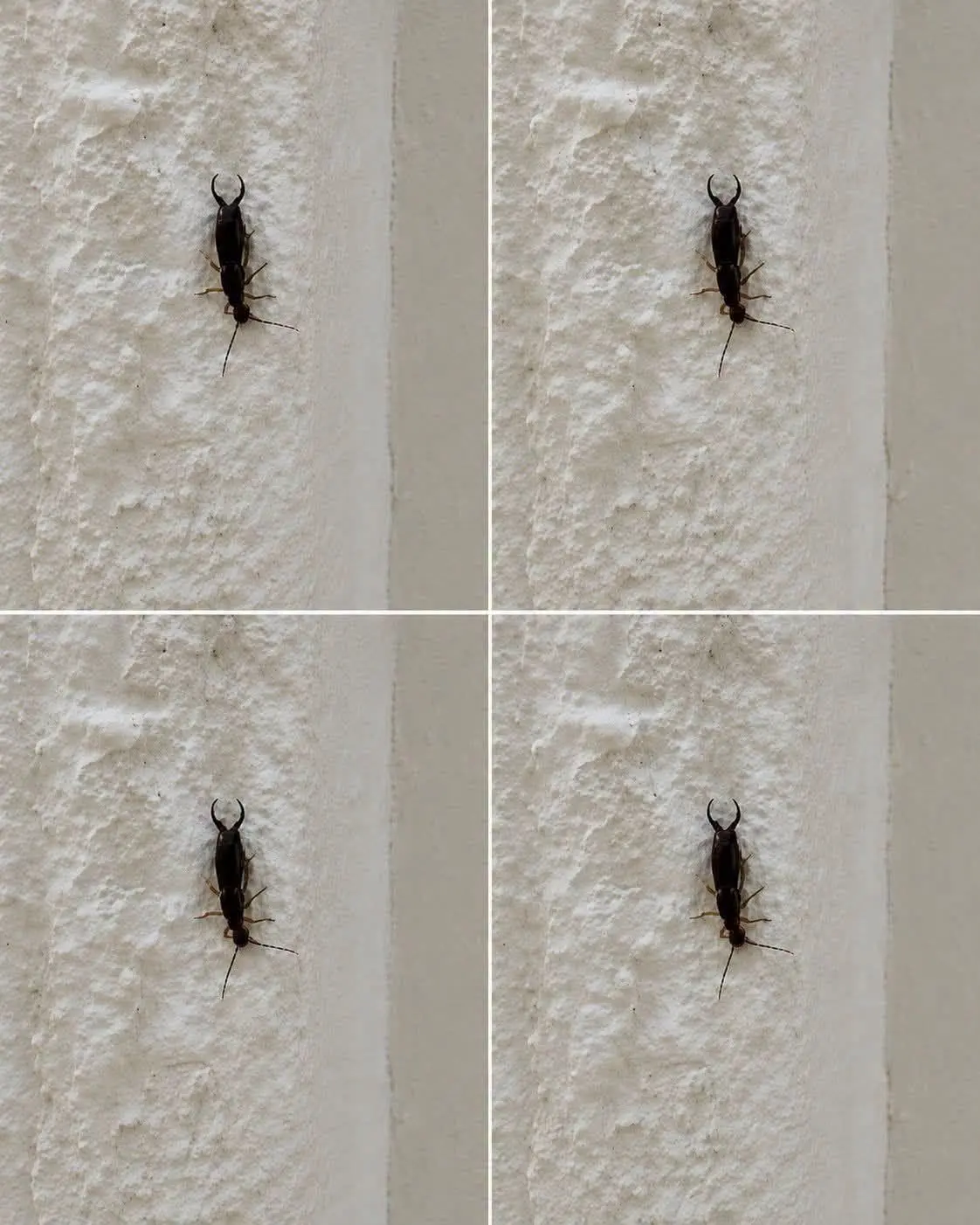
Have you recently noticed a strange-looking insect crawling along your walls, near your windows, or hiding in damp corners of your home? At first glance, it may seem alarming, especially because of its intimidating pincers. However, before reaching for insect spray, it’s worth understanding what this little visitor actually is and what its presence could mean.
The insect shown in the image is commonly known as an earwig. Despite its frightening appearance, most earwigs are harmless to humans. However, finding them indoors can be a sign that your home has conditions they find attractive—and it may also indicate other hidden problems that deserve your attention.
Let’s discover what earwigs are, why they enter homes, and what you should do if you start seeing them regularly.
What Is an Earwig?
Earwigs belong to the insect order Dermaptera, which includes over 2,000 species found around the world. Their most recognizable feature is the pair of curved pincers (called cerci) located at the end of their abdomen.
Many myths surround earwigs, including the old belief that they crawl into people’s ears while they sleep. Fortunately, this is nothing more than folklore. There is no scientific evidence that earwigs seek out human ears or pose that kind of danger.
Instead, they spend most of their time outdoors, hiding beneath:
- Rocks
- Mulch
- Flower pots
- Decaying leaves
- Logs
- Compost piles
They are primarily active at night and prefer cool, dark, and moist environments.
Why Are Earwigs Entering Your Home?
If you find one or two earwigs indoors, there’s usually no need to panic. But if you’re seeing several of them, your home may be offering exactly what they need to survive.
Here are the most common reasons.
1. Excess Moisture
Earwigs love humidity.
If your basement, bathroom, laundry room, or crawl space stays damp, it creates the perfect habitat for these insects.
Possible moisture sources include:
- Leaking pipes
- Condensation
- Poor ventilation
- Water-damaged walls
- Wet basements
This is often the number one reason earwigs move indoors.
2. Cracks Around Doors and Windows
Earwigs don’t need much space to enter.
Tiny gaps around:
- Window frames
- Door thresholds
- Utility pipes
- Foundation cracks
can provide easy access.
Once inside, they usually hide during the day and become active after sunset.
3. Too Much Mulch Near the House
Mulch retains moisture extremely well.
If thick layers of mulch are placed directly against your home’s foundation, they create an ideal shelter for earwigs.
As their population grows outdoors, some inevitably wander inside.
4. Overwatered Gardens
Regular watering keeps plants healthy—but constantly soaked soil also attracts earwigs.
They feed on:
- Decaying organic matter
- Algae
- Fungi
- Small insects
A permanently damp garden provides everything they need.
5. Outdoor Lights
Like many insects, earwigs may be drawn toward lights during the evening.
Bright porch lights near doors can unintentionally guide them toward entry points.
Are Earwigs Dangerous?
The good news is that earwigs are not considered dangerous.
They:
TO CONTINUE READING THE ARTICLE PLEASE SEE PAGE 2
They:
- Do not spread diseases.
- Are not poisonous.
- Rarely bite humans.
- Do not damage furniture or structures.
If handled roughly, they may pinch with their cerci, but the pinch is usually mild and rarely breaks the skin.
Can Earwigs Damage Plants?
Yes—but only under certain conditions.
Outdoors, earwigs can chew on:
- Lettuce
- Basil
- Dahlias
- Marigolds
- Strawberries
- Seedlings
- Flower petals
However, they also provide benefits by feeding on:
- Aphids
- Mite eggs
- Small insect larvae
- Organic debris
For this reason, gardeners often view earwigs as both beneficial and occasionally troublesome, depending on their numbers.
What Does Finding Many Earwigs Mean?
If earwigs are appearing frequently inside your home, it’s often a sign to check for:
✔ Moisture problems
✔ Hidden leaks
✔ Poor drainage around the foundation
✔ Clogged gutters
✔ Excess mulch
✔ Standing water
✔ Damp storage areas
Rather than being the main problem, earwigs are often a symptom of favorable environmental conditions.
How to Keep Earwigs Out Naturally
Fortunately, you can discourage earwigs without relying heavily on chemical pesticides.
Reduce Moisture
Repair leaking pipes.
Use a dehumidifier in damp rooms.
Improve ventilation.
Allow wet areas to dry.
Seal Entry Points
Inspect your home for:
- Cracks
- Gaps
- Loose weather stripping
- Open utility penetrations
Seal them with caulk or appropriate weatherproofing materials.
Clean Up Outdoor Debris
Remove:
- Leaf piles
- Rotting wood
- Excess mulch
- Weeds touching the foundation
Keep landscaping several inches away from exterior walls.
Water Earlier in the Day
Morning watering allows soil to dry before nightfall, making your garden less attractive to moisture-loving insects.
Use Simple Traps
A rolled-up damp newspaper or a shallow container filled with a little vegetable oil and soy sauce can attract earwigs overnight. Dispose of the trapped insects the next morning if needed.
Should You Kill Every Earwig You Find?
Not necessarily.
A single earwig is usually nothing to worry about.
If you find only occasional individuals, simply removing them and correcting moisture issues is often enough.
However, if you begin seeing large numbers over several weeks, it may be worth inspecting your home for hidden dampness or consulting a pest management professional.
Final Thoughts
Although their pincers make them look intimidating, earwigs are generally harmless insects that play an important role in nature by recycling organic matter and feeding on some garden pests.
If they’ve started appearing inside your home, don’t assume the worst. Instead, take it as a reminder to inspect for moisture, seal entry points, and improve outdoor maintenance. These simple steps usually solve the problem and help keep your home comfortable and pest-free.
So, the next time you spot one of these unusual insects, remember: it’s less a reason to panic and more a useful clue that your home may need a little extra attention.
