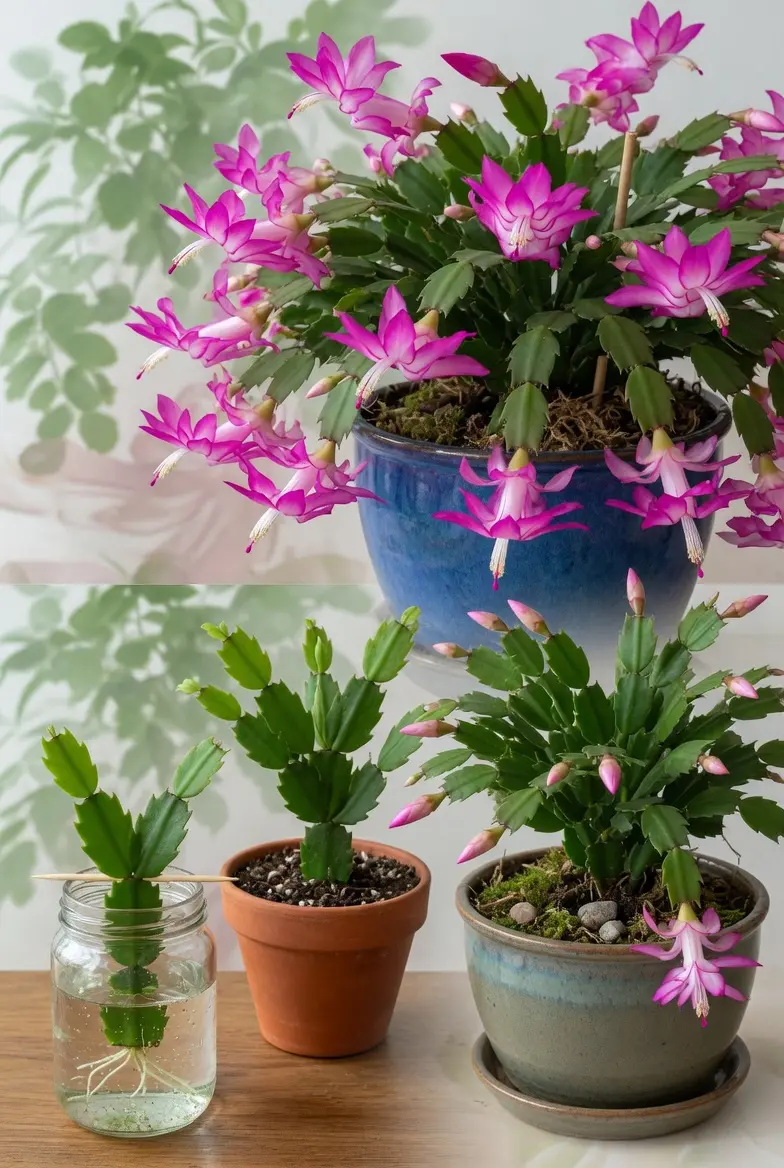
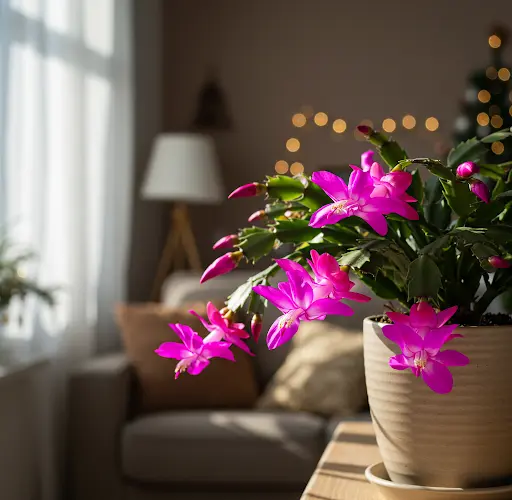
Christmas cacti are among the most rewarding flowering plants, capable of producing vibrant blooms multiple times a year when properly cared for. While many growers assume they bloom only once annually, the truth is that with the right balance of nutrients, light, and environmental conditions, these plants can flower two or even three times a year. One of the most effective natural methods to encourage repeat blooming is a simple homemade fertilizer made from brewed tea, cloves, and a touch of sugar.
This natural solution strengthens roots, supports bud formation, and provides the essential nutrients needed for abundant flowering. It is easy to prepare, uses common household ingredients, and can significantly improve the overall health and blooming capacity of Christmas cacti.
A Living Example of Repeat Blooming
Healthy Christmas cacti often surprise gardeners with multiple blooming cycles when their care conditions are ideal. In some cases, plants that have already flowered once in a season may begin producing new buds again within a few months. This repeated blooming is a clear sign that the plant is receiving the right balance of nutrients and environmental care.
The key to this performance lies in consistent feeding, especially with nutrients that support flower development such as phosphorus, potassium, and calcium. These elements encourage bud formation, strengthen plant tissue, and improve the overall resilience of the plant during seasonal changes.
The Natural Bloom Enhancer: Brewed Tea Fertilizer
One of the most effective natural fertilizers for Christmas cactus is brewed tea made from cloves and dried tea leaves. This combination creates a nutrient-rich solution that gently stimulates plant growth and encourages flowering.
Cloves are naturally rich in beneficial compounds that support plant health, while tea leaves contain trace minerals and organic matter that improve soil quality. Together, they form a mild but effective plant tonic.
To prepare this solution, take one teaspoon of dried tea leaves and one teaspoon of cloves. Boil or steep them in one cup of water until the mixture is well infused. Once the liquid has cooled, strain it into a separate container. This forms the base of your natural fertilizer.
Enhancing the Mixture with Sugar
An additional step in this preparation is the inclusion of one teaspoon of sugar. Sugar acts as a quick energy source for beneficial soil microorganisms, which in turn help improve nutrient absorption in plants. When dissolved properly into the tea mixture, it enhances the overall effectiveness of the solution.
After adding sugar, stir the mixture thoroughly until it is completely dissolved. Then, dilute it with one cup of lukewarm, dechlorinated water. Using rested or dechlorinated water is important because chlorine can interfere with soil microorganisms and may stress plant roots. Lukewarm water ensures that the plant is not shocked by sudden temperature changes.
How to Apply the Fertilizer Safely
Proper application is essential to avoid overwatering or damaging sensitive roots. Christmas cacti prefer slightly moist soil, but they are highly susceptible to root rot if exposed to excessive moisture.
If the soil is dry, you can apply up to half a teacup or one full teacup of the solution, depending on pot size. However, if the soil is already moist, it is best to apply only a small amount, such as a spoonful, to prevent water accumulation. Always observe the condition of the soil before feeding.
For recently treated plants, it is recommended to wait at least a week before applying the mixture again. This prevents nutrient overload and allows the plant to absorb what it has already received.
Essential Nutrients for Winter Blooming
During colder months, Christmas cacti require increased levels of phosphorus, potassium, and calcium. These nutrients play a crucial role in supporting flower bud development and maintaining plant strength during slower growth periods.
Phosphorus encourages blooming and root development, potassium strengthens overall plant health, and calcium supports cell structure and prevents tissue weakness. Together, they create the ideal nutritional balance for winter flowering success.
Key Factors for Healthy Growth and Blooming
Beyond fertilization, three major factors determine how well a Christmas cactus will bloom.
The first is soil quality. The plant thrives in nutrient-rich, well-draining soil enriched with organic matter such as compost or aged manure. Healthy soil provides a stable foundation for repeated flowering cycles and strong root systems.
The second factor is light exposure. Christmas cacti prefer bright but indirect light. Direct sunlight can damage their delicate leaves, while insufficient light can reduce bud formation. Proper light exposure also supports nutrient absorption and overall plant vitality.
The third factor is placement and temperature stability. During winter, these plants prefer cool, stable environments such as a well-lit room or enclosed balcony. Once buds begin to form, it is especially important not to move the plant frequently or expose it to sudden temperature changes. Environmental stability is critical to prevent bud drop.
Understanding Different Types of Christmas Cactus
There are generally two types of Christmas cactus: traditional varieties and hybrid varieties. Traditional types typically bloom once per year under normal conditions. Hybrid varieties, however, are more responsive and can bloom multiple times annually when provided with optimal care.
With proper feeding, stable conditions, and consistent light exposure, hybrid varieties are capable of producing two to three blooming cycles per year. This makes them especially popular among plant enthusiasts who enjoy continuous floral displays.
Final Thoughts
The combination of natural brewed tea fertilizer, careful watering, and proper environmental management creates a powerful system for encouraging repeated blooming in Christmas cacti. This method not only enhances flower production but also strengthens overall plant health, ensuring long-term vitality.
By maintaining a consistent care routine and providing the right balance of nutrients and conditions, you can enjoy vibrant blooms more than once a year. With patience and attention, your Christmas cactus can become a reliable source of seasonal beauty and lasting color in your home.
