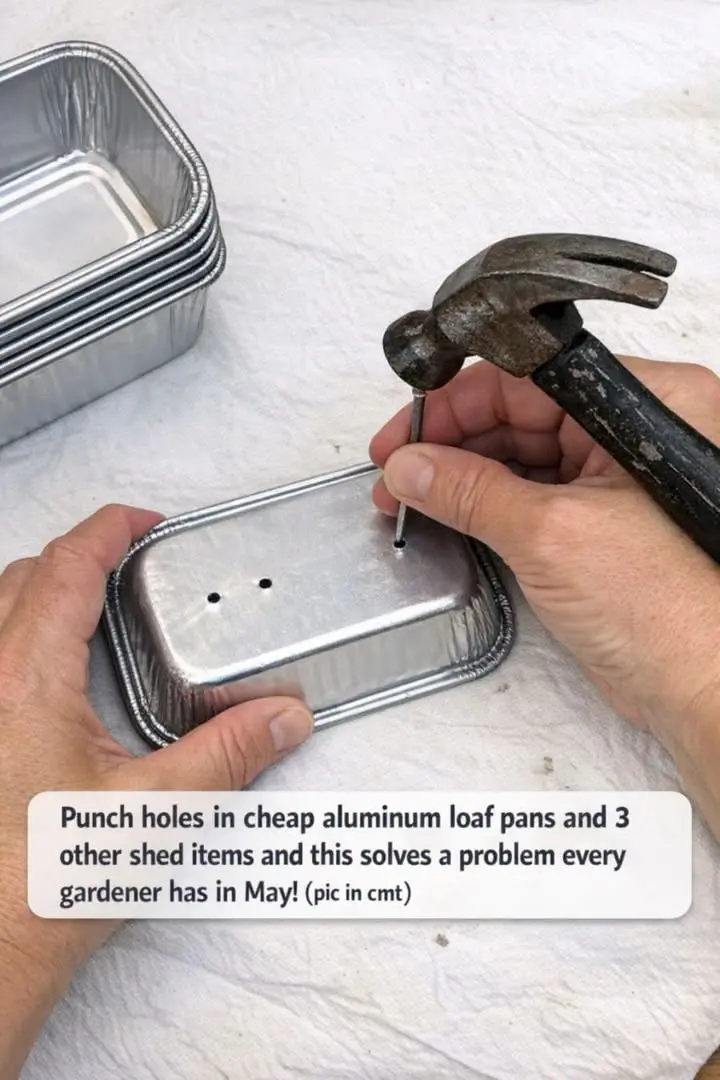
In May, gardeners face the annual challenge of hardening off seedlings before transplanting them to their final outdoor spots. This essential process involves gradually acclimating young plants to outdoor conditions to prevent shock, but it can be tricky to manage. This DIY guide provides a simple, cost-effective solution: creating a transplant hardening-off shade box using easily accessible materials like aluminum loaf pans. By constructing this shade box, gardeners can protect their seedlings from direct sunlight and harsh winds, ensuring a smooth transition to the garden.
This DIY shade box integrates seamlessly into any garden setting, from rustic cottage gardens to sleek modern landscapes. It’s perfect for raised beds, container gardens, or even cozy border plantings. Ideal for a variety of plants such as tomatoes, peppers, or delicate herbs, the shade box offers a practical and aesthetic addition to your gardening toolkit. The use of repurposed materials gives it a charming, eco-friendly vibe.
Aluminum Loaf Pan Transplant Shade Box
Materials
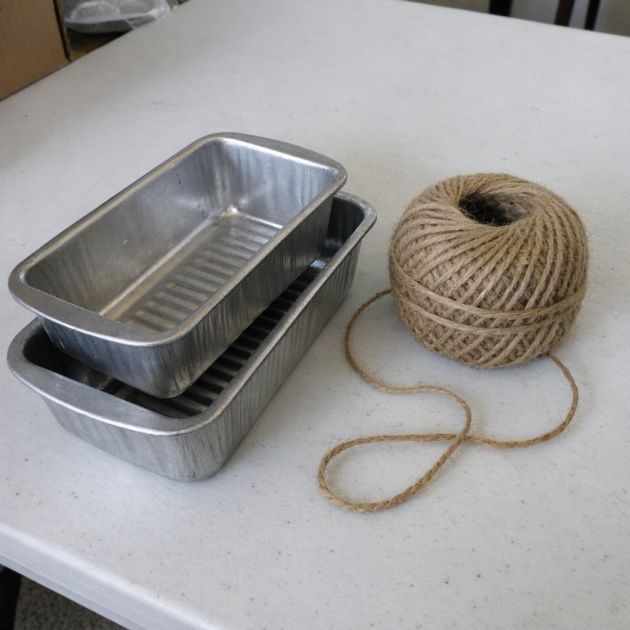
4 cheap aluminum loaf pans (approx. 8 x 4 inches each)
1 small hammer
1 large nail (or similar tool for punching holes)
1 old bed sheet (or lightweight fabric for draping)
Directions
1. Place an aluminum loaf pan upside down on a sturdy surface covered with a white drop cloth.
2. Using a large nail and a small hammer, gently punch holes into the bottom of the loaf pan to create ventilation. Repeat for all four pans.
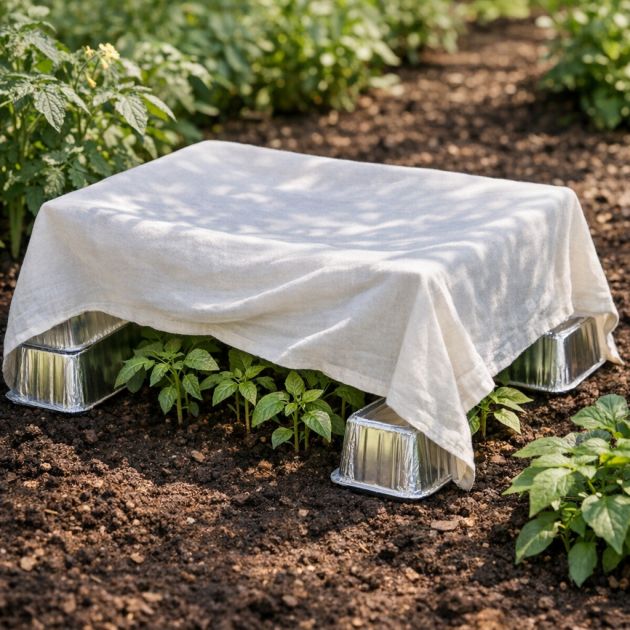
3. Arrange the four loaf pans in a rectangular formation, with the open sides facing inward to form the walls of the shade box.
4. Drape the old bed sheet over the structure, ensuring it covers all sides, leaving gaps for air circulation.
5. Set the completed shade box over your seedlings in the garden, ensuring partial shade and protection from the wind.
Variations & Tips
For a more permanent solution, consider using weather-resistant metal or plastic containers instead of aluminum loaf pans. In regions with harsher climates, opt for a thicker fabric or add an additional layer for extra insulation. To cater to specific plant needs, adjust the size of the shade box by adding more pans or using larger ones. For a decorative touch, choose a fabric with a pattern that complements your garden’s aesthetic. In extremely sunny areas, consider using a shade cloth instead of a bed sheet for more effective light filtration.
