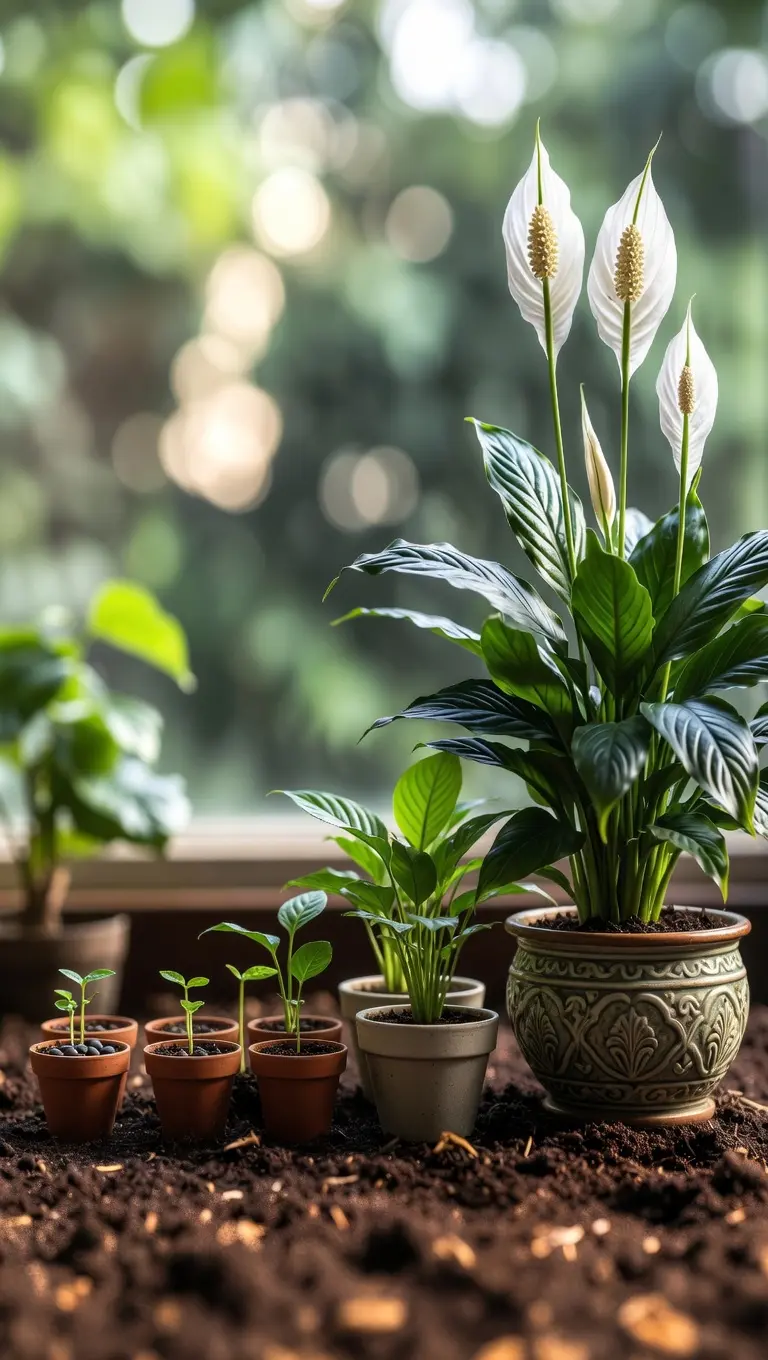
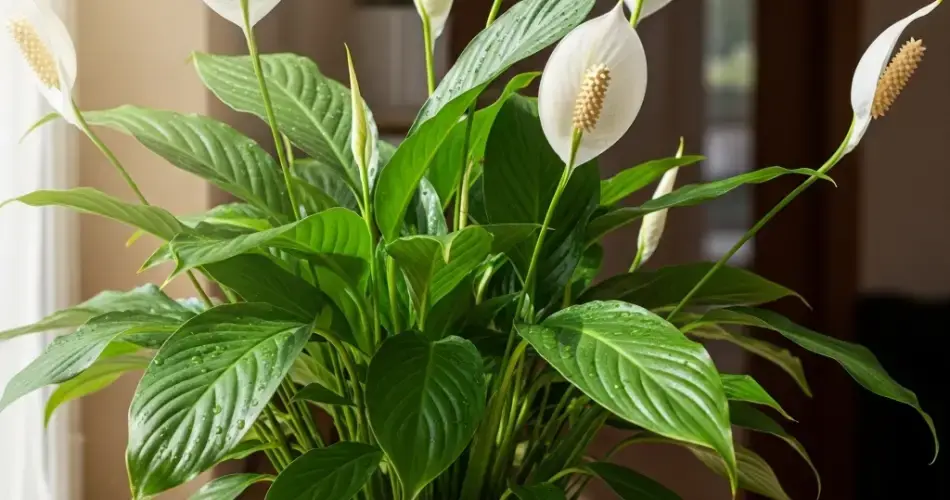
Peace lilies are popular indoor plants admired for their glossy green leaves, elegant white blooms, and ability to improve indoor air quality. While these plants are relatively low-maintenance, proper leaf care is essential to keep them healthy and thriving. Regular attention to wiping, trimming, and feeding ensures vibrant foliage, encourages flowering, and prevents common issues such as dust buildup or nutrient deficiencies. This guide provides practical steps to maintain the health and beauty of your peace lily leaves.
Wiping Peace Lily Leaves
Dust and dirt can accumulate on peace lily leaves over time, blocking sunlight and reducing the plant’s ability to photosynthesize effectively. Regular leaf cleaning not only improves the plant’s appearance but also promotes optimal growth. To wipe the leaves, use a soft, damp cloth or sponge. Gently support each leaf with one hand while wiping the surface with the other to avoid damaging the leaf or stem. For hard-to-reach areas or delicate leaves, a soft brush can remove dust without causing harm.
Avoid using leaf-shine products, as these can clog the leaf pores and interfere with respiration. Instead, simply water your cloth lightly and clean the leaves from the base to the tip. Performing this task every two to three weeks keeps the foliage clean and allows the plant to absorb light efficiently, which is essential for healthy growth and flowering.
Trimming Peace Lily Leaves
Trimming is an important part of maintaining a healthy peace lily. Remove yellowing, brown, or damaged leaves as soon as they appear. These leaves are no longer photosynthesizing efficiently and can divert energy away from new growth. Use clean, sharp scissors or pruning shears to cut leaves at the base of the stem near the soil line. This helps prevent disease and pests from affecting healthy foliage.
Trimming also encourages the plant to produce new, vibrant leaves and can improve the overall shape and appearance of the peace lily. Be cautious not to remove more than one-third of the plant at a time, as excessive pruning can stress the plant. Regular monitoring and timely trimming support long-term health and maintain a lush, attractive plant.
Feeding Peace Lily Leaves
Proper nutrition is crucial for maintaining glossy leaves and promoting flowering. Peace lilies benefit from a balanced, water-soluble fertilizer applied every 4–6 weeks during the growing season, typically spring through early fall. A fertilizer formulated for indoor foliage plants, with a balanced ratio of nitrogen, phosphorus, and potassium, supports leaf development, root health, and bloom production.
Avoid over-fertilizing, as this can lead to brown leaf tips or nutrient burn. Follow the manufacturer’s instructions for dilution and application. Additionally, occasional feeding with organic options such as compost tea or diluted fish emulsion provides gentle, consistent nutrients while enhancing soil health.
Monitoring Leaf Health
Regularly inspecting peace lily leaves helps identify problems early. Look for signs of pests, such as aphids or spider mites, which can appear as tiny spots, webbing, or discolored patches. Remove affected leaves and treat the plant promptly with an appropriate, safe insecticidal solution. Similarly, check for water-related issues: yellowing leaves may indicate overwatering, while dry, crispy tips suggest underwatering or low humidity.
Maintaining proper light conditions, moderate temperatures, and adequate humidity also supports healthy foliage. Peace lilies prefer bright, indirect light and consistently moist soil. Avoid placing them in direct sunlight, which can scorch the leaves, or in drafty areas that cause leaf stress.
Benefits of Regular Leaf Care
Consistent leaf care keeps peace lilies vibrant and healthy, enhancing both aesthetic appeal and indoor air quality. Clean, trimmed, and well-fed leaves maximize photosynthesis, resulting in stronger plants and more abundant blooms. In addition, attentive leaf maintenance helps prevent common problems such as disease, pests, and nutrient deficiencies, ensuring your peace lily remains a long-lasting addition to your indoor space.
By incorporating wiping, trimming, and feeding into your routine, you can maintain glossy, healthy foliage and encourage flowering throughout the growing season. Peace lilies are resilient, but attentive leaf care makes a noticeable difference in their appearance and vitality, allowing them to thrive in any indoor environment.
