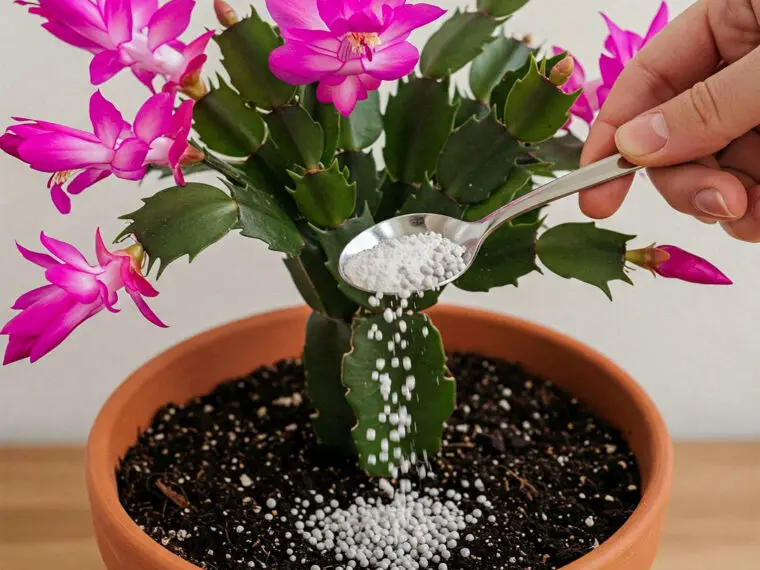
Do your plants look healthy, with beautiful green leaves, but produce very few flowers? You water them, place them in the light, and care for them regularly—yet the blooms never come. The reason is often simpler than you think.
Sometimes, plants don’t need more water or sun… they just need the right nutrients, in the right amount. And surprisingly, one single teaspoon can make all the difference.
Why Many Plants Struggle to Bloom
A plant may grow leaves perfectly well but still fail to flower if it lacks:
- Phosphorus (for flower formation)
- Potassium (for strong buds and long-lasting blooms)
- Beneficial microorganisms that help absorb nutrients
Without these, the plant focuses on survival rather than flowering.
The “One Teaspoon” Secret Explained
This is not a chemical fertilizer or a miracle product. It’s a gentle, natural boost that works with the plant’s natural rhythm.
🌱 The most effective option:
👉 One teaspoon of mature compost or vermicompost, diluted in water.
This small amount is enough to feed the soil without overwhelming the roots.
Why Compost Helps Plants Bloom Better
Compost is rich in:
- Natural minerals
- Beneficial bacteria and microorganisms
- Organic matter that improves soil structure
These elements:
✔ strengthen roots
✔ stimulate bud formation
✔ encourage abundant and longer-lasting flowers
How to Prepare This Natural Bloom Booster
What you need:
- 1 teaspoon of compost or vermicompost
- 1 liter of room-temperature water
Instructions:
- Mix the compost into the water
- Let it sit for 1–2 hours
- Strain if needed
- Water directly at the base of the plant
This allows nutrients to reach the roots where they are most effective.
How Often Should You Use It?
⚠️ More is not better.
- Use once every 2–3 weeks
- Best during spring and summer
- Avoid during winter or dormant periods
Plants That Love This Method
Plants That Love This Method
🌸 Flowering plants (geraniums, petunias, orchids)
🌹 Roses
🪴 Houseplants
🌿 Herbs
🍅 Flowering vegetables like tomatoes and peppers
Mistakes to Avoid
❌ Using too much compost
❌ Feeding stressed or sick plants
❌ Applying on completely dry soil
❌ Mixing with strong chemical fertilizers
This method works best when used gently and consistently.
Why This Is Better Than Chemical Fertilizers
✔ Natural and eco-friendly
✔ No risk of burning roots
✔ Improves soil health long-term
✔ Encourages healthy, natural blooms
Your plants don’t bloom faster—they bloom better.
Final Thoughts
Sometimes, the biggest gardening secrets are also the simplest. One teaspoon, used correctly, can revive your plants and unlock spectacular flowering.
🌼 Nature loves balance—and your plants do too.
