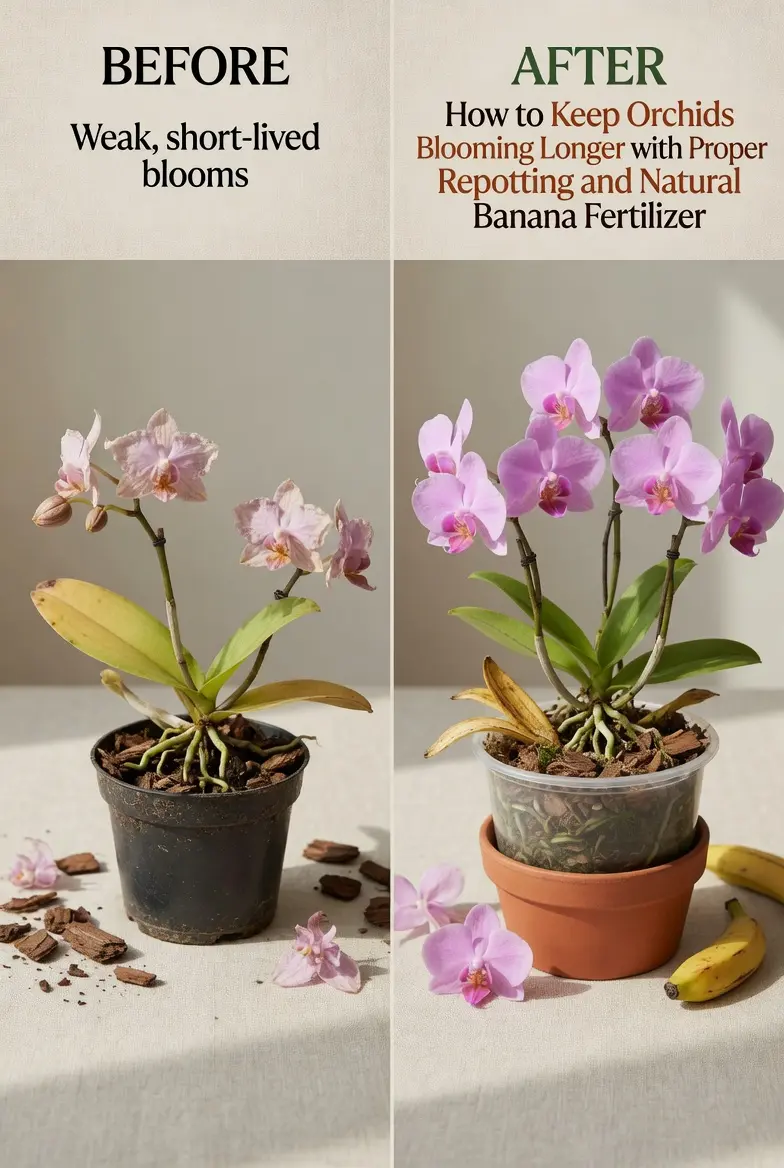
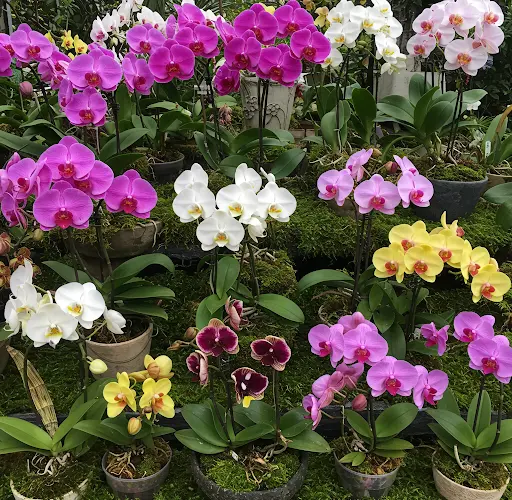
Orchids are treasured for their elegant blooms and long flowering cycles, especially during festive seasons when their beauty brightens homes and celebrations. However, once the flowers fade, many growers are unsure how to help their orchids recover and bloom again. The secret to continuous blooming lies in proper repotting, healthy root care, and consistent natural nutrition.
If you want your orchids to rebloom beautifully next season, it is essential to restore their strength after flowering. With the right techniques and a simple homemade banana fertilizer, you can support strong root development, vibrant leaves, and long-lasting flowers year after year.
Step 1: Repotting After Flowering
When orchids finish blooming, they have expended a significant amount of energy sustaining their flowers. At this stage, the plant needs time and proper care to rebuild its strength. Repotting plays a crucial role in this recovery process.
Begin by gently removing the orchid from its pot. If the plant has been growing in moss, carefully loosen the moss with your fingers. In cases where the roots are tightly entangled, use sterilized scissors to carefully trim away compacted sections of old medium. Be patient during this step to avoid damaging healthy roots.
Once the plant is free from its pot, inspect the roots thoroughly. Healthy orchid roots are firm and either green (when hydrated) or silvery white (when dry). Any roots that appear brown, black, hollow, or mushy should be removed using sterilized cutting tools. Eliminating damaged roots prevents the spread of rot and allows the plant to focus its energy on healthy growth.
After trimming, lightly dust the cut areas with cinnamon powder. Cinnamon acts as a natural antifungal agent and helps protect the plant from infections during recovery.
Step 2: Choosing the Right Growing Medium
Orchids are epiphytic plants in nature, meaning they grow attached to trees rather than in soil. Their roots require airflow and excellent drainage. When repotting, choose a medium that mimics their natural habitat.
Pine bark is one of the best options because it provides aeration and allows excess water to drain easily. You may also mount orchids on wooden slabs or pieces of bark, which closely replicate how they grow in the wild.
If using sphagnum moss, avoid packing it too tightly. The roots must be able to breathe. Poor ventilation can trap moisture and lead to root rot. Ensure that the pot has sufficient drainage holes and that air can circulate around the roots.
After repotting, place the orchid in a shaded, well-ventilated area. Avoid watering for about three days to allow any trimmed root areas to heal and adjust to the new environment.
Step 3: Preparing Natural Banana Fertilizer
Three days after repotting, your orchid will benefit from gentle nourishment to encourage new root and leaf growth. Banana peels are an excellent natural fertilizer because they contain potassium, calcium, vitamins B and C, and small amounts of natural growth compounds.
Potassium is especially important for orchids. It strengthens flower spikes, enhances bloom longevity, and supports overall plant vigor.
To prepare banana peel fertilizer:
- Collect a few banana peels and cut them into small pieces.
- Add approximately 350 milliliters of water.
- Blend the mixture until smooth.
- Strain the liquid to remove solid residues.
- Dilute the banana extract with about 2.5 liters of clean water.
Proper dilution is essential to prevent overfeeding. The resulting solution should be light and well diluted before use.
Step 4: Applying the Fertilizer
There are three effective ways to use banana fertilizer for orchids.
Root Feeding
Pour the diluted solution directly into the potting medium. This allows the roots to absorb nutrients gradually. Make sure excess liquid drains completely from the pot to avoid water accumulation.
Leaf Cleaning
Dip a soft cotton ball or cloth into the diluted fertilizer and gently wipe both the top and underside of the leaves. This removes dust, discourages minor pests, and allows leaves to absorb trace nutrients through their surface.
Clean leaves are more efficient at photosynthesis, which supports stronger growth and better flowering.
Light Misting
You can also pour the solution into a spray bottle and lightly mist the plant. Avoid spraying directly into the crown of the orchid, as standing water in that area may cause rot.
Using this fertilizer once a week provides consistent nourishment without overwhelming the plant.
Step 5: Supporting Long-Lasting Blooms
Consistent potassium intake from banana fertilizer strengthens flower spikes and improves bloom quality. Over time, you will notice stronger roots, firmer leaves, and increased resilience.
After about two months of regular care, the orchid’s root system will become more robust. Strong roots improve nutrient absorption, which leads to healthier foliage and more frequent reblooming cycles.
It is important to remember that balance is key. Avoid overwatering and ensure good air circulation. Orchids thrive in bright, indirect light and moderate humidity.
Ongoing Maintenance Tips
To keep orchids blooming year after year:
- Water only when the roots turn silvery white.
- Ensure the pot drains completely after watering.
- Provide bright but indirect sunlight.
- Maintain airflow around the plant.
- Continue gentle fertilization during active growth.
With proper repotting, careful root management, and consistent natural feeding, orchids can recover from flowering stress and prepare for future blooms.
Conclusion
Helping orchids rebloom requires patience and thoughtful care. By repotting faded plants, improving root ventilation, and nourishing them with diluted banana fertilizer, you give them the strength to thrive.
This natural method supports healthy roots, lush green leaves, and vibrant, long-lasting flowers. With consistent weekly care, your orchids can remain beautiful and bloom season after season, bringing elegance and color to your home all year round.
