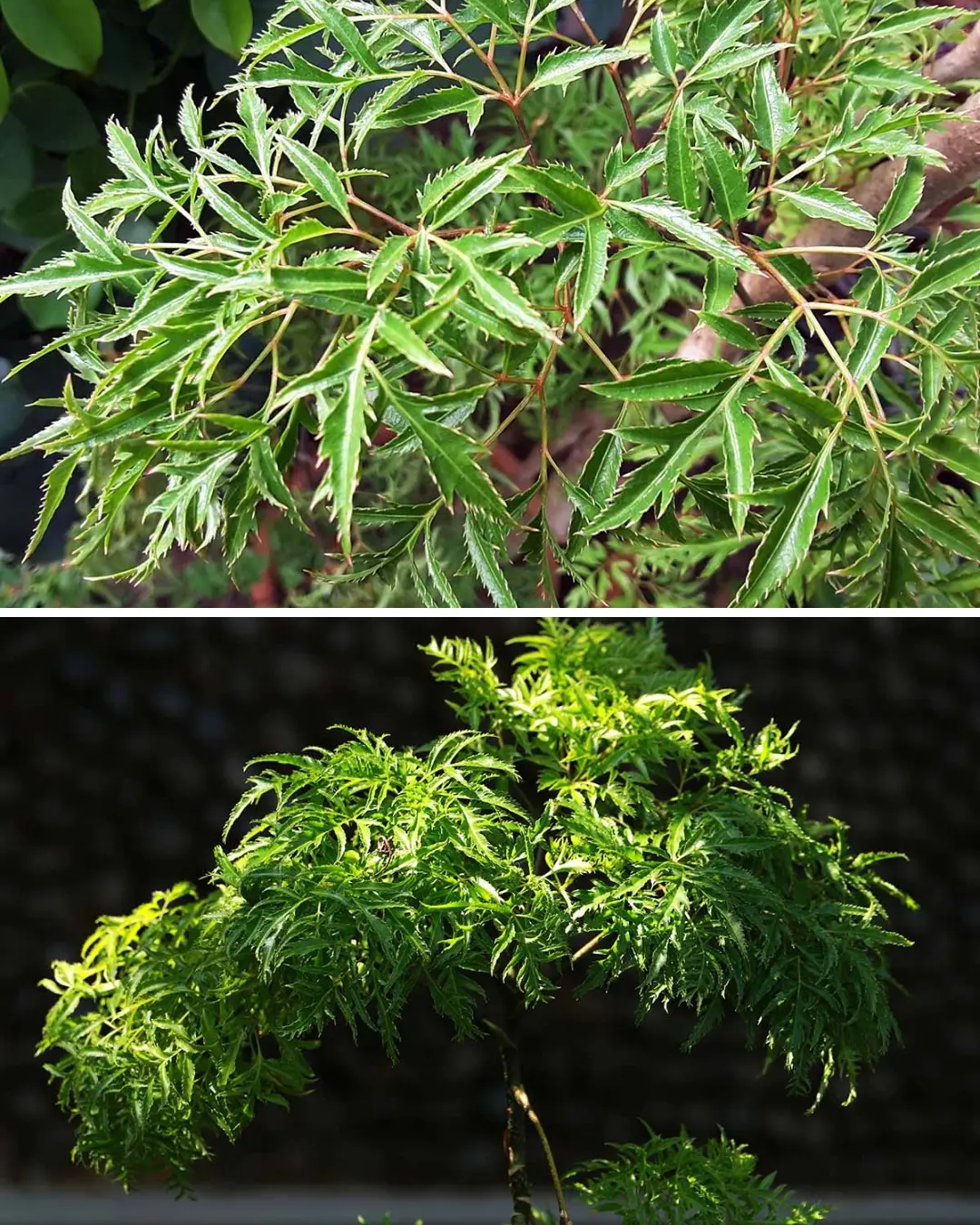
Ming aralia is an eye-catching houseplant from India and Polynesia known for its lush, bright green foliage. Although it can be a bit challenging to grow, caring for it is rewarding, as it can reach over 6 feet tall indoors with the right attention. Ideal for partially sunny indoor spaces, it thrives when given year-round care but should be kept away from pets, as it is toxic to dogs and cats.
:max_bytes(150000):strip_icc():format(webp)/grow-polyscias-fruticosa-1902765-3-d30bf1def0cb44679913d3ea3d4e2895.jpg)
| Common Name | Ming aralia |
| Botanical Name | Polyscias fruticosa |
| Family | Araliaceae |
| Plant Type | Shrub |
| Mature Size | 6–8 ft. tall, 2–3 ft. wide |
| Sun Exposure | Partial |
| Soil Type | Loamy, well-drained |
| Soil pH | Acidic |
| Bloom Time | Summer |
| Flower Color | Yellow, white |
| Hardiness Zones | 11–12 (USDA) |
| Native Areas | Asia |
| Toxicity | Toxic to dogs and cats |
Ming Aralia Care
While the Ming aralia shrub has earned a reputation for being picky over the years, it really is no fussier than any other bit of greenery you’ve cared for. Here are the main care requirements for growing Ming aralia.
- Mimic its native tropical environment by maintaining proper temperature and humidity levels.
- Plant in well-draining soil. This is essential to keep the plant’s fine roots from rotting.
- Irrigate consistently but do not oversaturate. Let the soil dry out between waterings.
- Feed the plant monthly during its growing season from spring into fall.
:max_bytes(150000):strip_icc():format(webp)/grow-polyscias-fruticosa-1902765-2-40d5cda074b743daa4d646bbe6e57d4a.jpg)
:max_bytes(150000):strip_icc():format(webp)/grow-polyscias-fruticosa-1902765-5-8456b8cff7574c0ca2634b2d2ee06a5c.jpg)
Light
Ming aralia likes bright, indirect light and tolerates light shade. Allowing the plant to get morning sun is good, but it should never be kept in direct sunlight during the harsher afternoon hours, as the rays scorch its fragile foliage. Aim for about six to eight hours of filtered light a day. Ming aralia is said to do especially well in north-facing light.
Soil
Ming aralia prefers a rich but well-drained soil mixture to help balance its need for moisture with its fragile, rot-prone roots.2 While the specific blend of soil can vary (from sandy to peat moss to loamy), drainage should be the priority. Choose a pot made of clay or terra-cotta to help wick extra moisture from the soil and act as an added defense against root rot.
Water
It’s important to keep your Ming aralia consistently moist but never saturated. Water the soil deeply and allow it to almost dry out before you water it again—a weekly session should do the trick. Additionally, decrease your watering frequency in the winter, watering your plant every other week instead.
Temperature and Humidity
Both temperature and humidity are very important to Ming aralia’s overall growth and success. For your plant to thrive, you will want to ensure temperatures in your home maintain a balmy baseline. Aralia prefers temperatures between 65-85°F and cannot tolerate anything below 60°F. Ming aralias tend to lose their leaves during cold, dry winter months if subjected to cold air. Prevent this by supplying it with steady warmth, aided by a bottom heater if necessary.
Unless you like your home to mimic the tropics, you’ll likely have to up the humidity in your space for the Ming aralia, too. When planting indoors, place your container or pot on a tray filled with wet pebbles to increase humidity levels. You can also mist the foliage of the plant periodically to mimic the humid, wet conditions of the tropics.
Fertilizer
Feed your Ming aralia with a liquid fertilizer monthly throughout its growing period (spring through fall). If you notice falling leaves or those that are yellowish-green in appearance, that’s a good indication that your plant isn’t getting enough nutrients and could benefit from a bit of fertilizer.
Types of Ming Aralia
The only known cultivar of Ming aralia is the parsley aralia (Polyscias fruticosa ‘Elegans’). It is a compact dwarf cultivar with curled leaves that resemble parsley. As with all aralias, it is grown for the attractive foliage as it rarely blooms as a houseplant.
Propagating Ming Aralia
Ming aralia can be propagated fairly easily through its cuttings. To do so, take green-stem cuttings in the spring and place them in damp soil (you can add a rooting hormone as well). Provide them with plenty of warmth and moisture, and the cuttings should take root within a few weeks.
Potting and Repotting Ming Aralia
Repot annually as needed, or every other year. A mature Ming aralia can reach 6 feet or more in optimal conditions, so repot it less often if you want to keep the plant smaller. They don’t object to being slightly pot-bound, but you should refresh or top-dress the soil annually.
Common Pests and Plant Diseases
The good news is that Ming aralia is fairly resistant to pests. You may, however, encounter aphids, scale, mealybugs, and spider mites. Spraying your plant with a soap solution or a neem oil solution (two tablespoons in one gallon of water) helps to keep these pests in check.
Common Problems With Ming Aralia
Leaves Dropping
The most common complaint with Ming aralia is that its leaves turn yellow and drop. There are several possible causes. Too much water initiates root rot, the first sign of which is yellowing leaves.
Ming Aralia Plant. Louisiana State University College of Agriculture.
Inadequate feeding leads to nutrient deficiency which may also cause leaf drop. Take care to feed the plant monthly. If your plant is located near an air conditioner vent or open window, it may also shed foliage.
Salt Buildup
Using too much fertilizer or watering with softened water causes mineral buildup in the soil. These are not heavy feeders, requiring feeding no more than once a month. And it’s best to water with collected rainwater or distilled water, not tap water. Too much salt buildup will eventually damage the roots and reduce growth.
