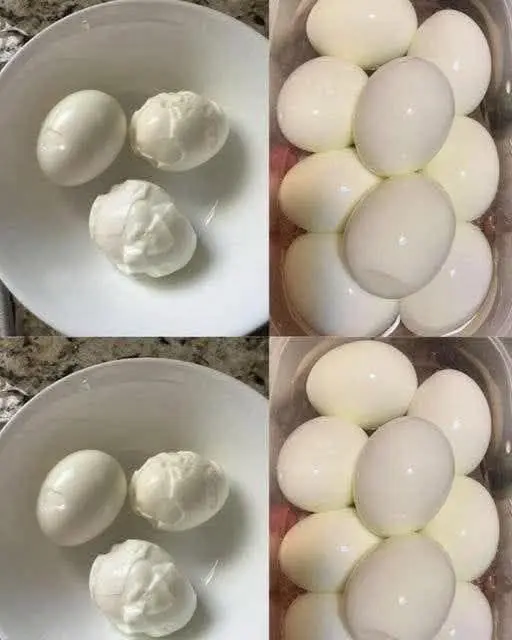
We’ve all been there — excited to make deviled eggs or slice some boiled eggs over toast, only to end up wrestling with shells that refuse to come off. You’re left with a pitted, torn egg white and a plate full of frustration. So, what’s the fix? A clever chef recently went viral for cracking the code (pun intended) on how to peel hard-boiled eggs perfectly every time — and it’s shockingly simple.
The Science Behind Eggshell Sticking
What Causes Eggshells to Cling?
The culprit is the bond between the egg’s outer membrane and its shell. When cooked, the proteins in the white bind to that inner membrane — and when they stick, peeling becomes a nightmare.
Role of Freshness in Peeling Difficulty
The fresher the egg, the tighter the membrane. That’s why older eggs are actually better for boiling — their pH changes over time, making the membrane less clingy.
Protein Bonding and Membrane Attachment
Cooking eggs the wrong way can strengthen the protein bond, making the membrane fuse with the white. That’s where steam comes in.
Traditional Methods People Use
Cracking and Rolling
Gently cracking and rolling an egg on the counter helps — but it’s not always enough for a smooth peel.
Vinegar in the Boiling Water
Some swear by adding vinegar to loosen the shell, but the results are hit or miss.
Ice Bath Shock Method
Dropping eggs into an ice bath stops the cooking and can make shells easier to peel — but again, it’s not foolproof.
Baking Soda Trick
Adding baking soda to the water is supposed to raise the pH of the egg white, reducing stickiness. Sometimes it works, sometimes not.
Meet the Chef Who Cracked the Code
A Simple Background
Chef Rob, a culinary school graduate and now a TikTok sensation, shared this simple trick that quickly blew up — because it actually works.
His Viral Kitchen Tip
He ditched boiling altogether and started steaming his eggs. Combined with a good shake and ice bath, his eggs peeled effortlessly — every single time.
The Clever Hack: Steam, Shake, and Peel
Step-by-Step Guide
Let’s break it down into four easy steps.
Step 1: Steam Instead of Boil
Step 1: Steam Instead of Boil
Fill a pot with one inch of water and place a steamer basket inside. Once it’s boiling, add your eggs and steam for 12-13 minutes.
Step 2: Use an Ice Bath
Immediately after steaming, plunge the eggs into an ice bath for at least 5 minutes. This stops the cooking and firms up the whites.
Step 3: Shake in a Container
Place a few eggs in a plastic container with a lid. Shake vigorously for 10 seconds. The shells crack all over and loosen.
Step 4: Watch the Peel Slide Off
Once cracked, the shells practically fall off in one piece. It’s like magic.
Why This Works Better Than Boiling
Steam surrounds the egg with consistent heat, cooking it more gently and separating the shell membrane from the white — no bonding = easy peeling.
Tools and Ingredients You’ll Need
Steamer Basket or Pot with Lid
This is key to getting consistent steam circulation.
Eggs (Older = Better)
Choose eggs that are at least a week old. They’ll peel like a dream.
Bowl of Ice Water
Ice bath = essential for halting the cooking process.
Medium-Sized Container with Lid
For the shaking step, this makes all the difference.
Step-by-Step Tutorial with Pro Tips
Time and Temperature Guidelines
- Steam for 12 minutes for a creamy yolk
- 13–14 minutes for a firmer center
- Don’t overdo it or you’ll get chalky yolks
Preventing Green Yolks
That green ring? It comes from overcooking. Steaming helps control heat better than boiling.
Avoiding Rubbery Whites
Overboiled eggs get chewy. Steaming keeps the whites tender.
Bonus Hack: Peel Under Running Water
When to Use This Method
If you skipped the shaking step, peeling under running water helps rinse away small shell pieces.
Benefits and Drawbacks
It works, but it’s slower. The steam-shake combo is still faster and more effective.
Storage Tips for Hard-Boiled Eggs
How Long Do They Last?
- With shell: up to 7 days in the fridge
- Without shell: eat within 3–5 days
Shell On vs Shell Off Storage
Keeping the shell on helps retain moisture and freshness longer.
Common Mistakes to Avoid
Using Farm-Fresh Eggs
They’re great scrambled — not boiled. Too fresh = sticky shells.
Skipping the Ice Bath
No ice bath = overcooked yolks and tough peeling.
Boiling Instead of Steaming
Steam is gentler, more precise, and leads to better results.
Why This Hack is a Game-Changer
Saves Time
No more 5-minute peeling sessions — you’ll be done in seconds.
No More Ugly Eggs
Say goodbye to torn whites and craters.
Makes Batch Prepping a Breeze
Perfect for meal prep, parties, and making deviled eggs in bulk.
Conclusion
Peeling hard-boiled eggs doesn’t have to be a battle. With this chef-approved hack — steam, shake, and peel — you’ll turn a frustrating chore into a flawless process. Whether you’re prepping eggs for breakfast, salad, or Easter dyeing, this method is a total game-changer. Give it a try, and you’ll never go back to boiling again!
FAQs
1. Can I steam eggs without a steamer?
Yes! Just use a colander or metal sieve that fits over your pot, and cover it with a lid.
2. Does this hack work on fresh eggs?
Fresh eggs are still tricky, but steaming helps more than boiling ever could.
3. What’s the best way to store peeled eggs?
Keep them in an airtight container with a damp paper towel in the fridge. Eat within 3–5 days.
4. Why do my yolks turn gray or green?
Overcooking causes this reaction. Stick to 12–13 minutes and use an ice bath immediately.
5. Can I reuse the water for steaming again?
Yes, but make sure it’s clean. Don’t reuse it if bits of egg or shell are floating in it.
