
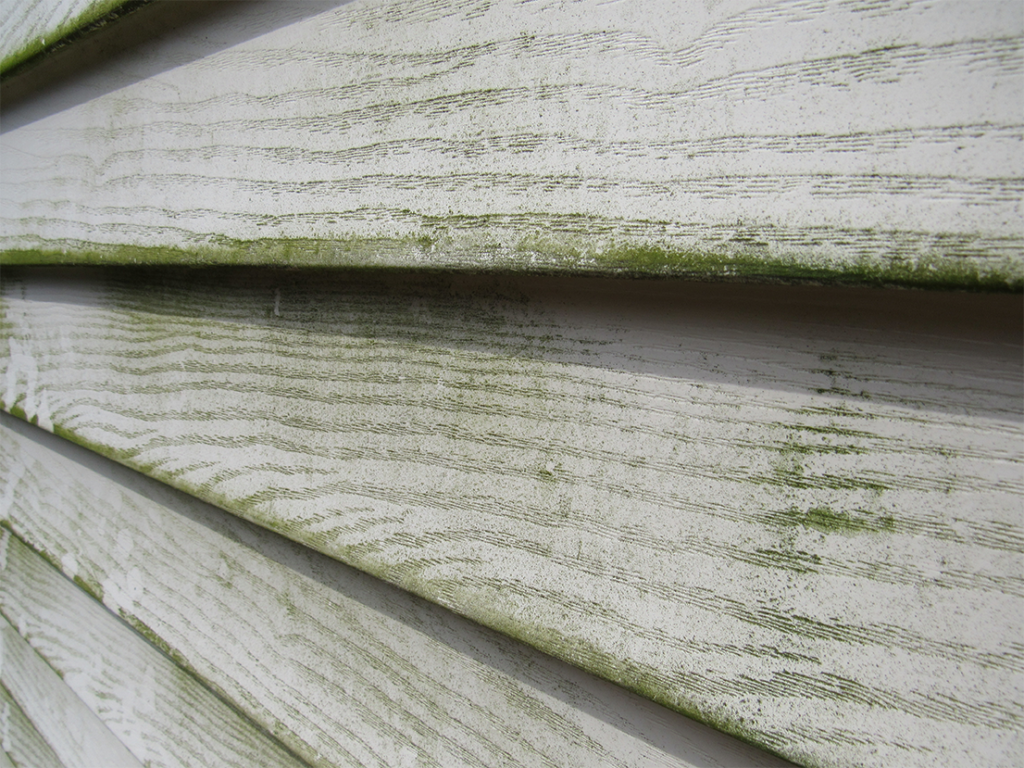
Green algae growth on house siding is a common problem — especially on shaded walls or in humid climates. In the photo you showed, the siding is streaked with green growth … exactly what happens when algae thrives on damp surfaces.
🌿 What Is Algae on Siding?
Before we dive in, let’s clarify what you’re looking at:
A dramatic before-and-after example showing heavy green algae on siding and a clean, restored exterior after proper cleaning.
Algae is a simple plant organism that thrives in moisture. On home exteriors, it looks like:
- Green streaks running down siding
- Light green patches in shaded spots
- Slimy, organic buildup over time
This buildup not only looks bad but can also trap moisture and lead to stains or long-term material damage if ignored.
🧼 What Causes It?
Common reasons algae grow on siding:
- Constant humidity
- Shaded walls that don’t dry quickly
- Nearby trees or vegetation blocking sunlight
- Water runoff from gutters
- Organic debris left on siding
This is why algae is often most noticeable on north-facing walls or areas that stay damp.
🧽 Simple Ways to Get Rid of Green Algae
Here are some effective cleaning methods you can try:
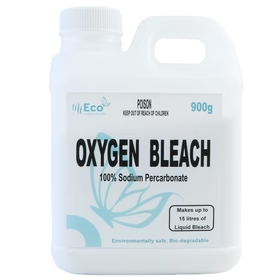
✅ 1. Oxygen Bleach and Water
This is one of the gentlest but most effective cleaners.
- Mix oxygen bleach (like sodium percarbonate) with water
- Apply with a sprayer
- Let it sit for 10 minutes
- Rinse with a garden hose
This solution breaks down algae without harming plants nearby and won’t discolor your siding.
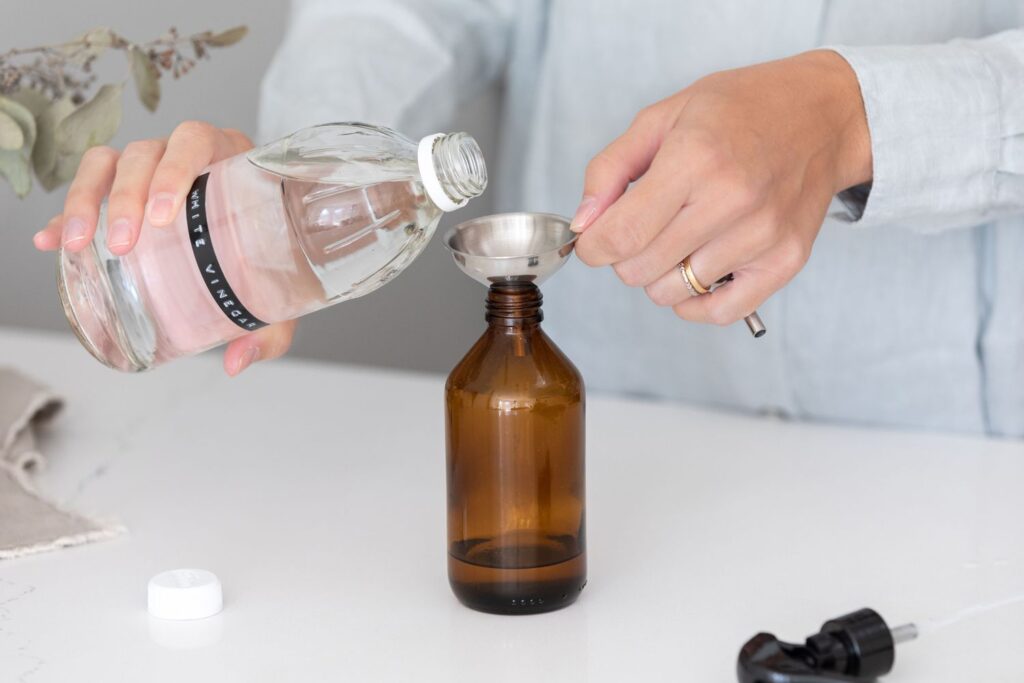
🪣 2. Vinegar Spray Method
For a natural DIY approach:
- Mix equal parts white vinegar and water
- Spray on affected areas
- Let it sit 15–20 minutes
- Scrub lightly and rinse
The acidity in vinegar breaks down the algae at its base.
🧼 3. DIY Detergent Clean
🧼 3. DIY Detergent Clean
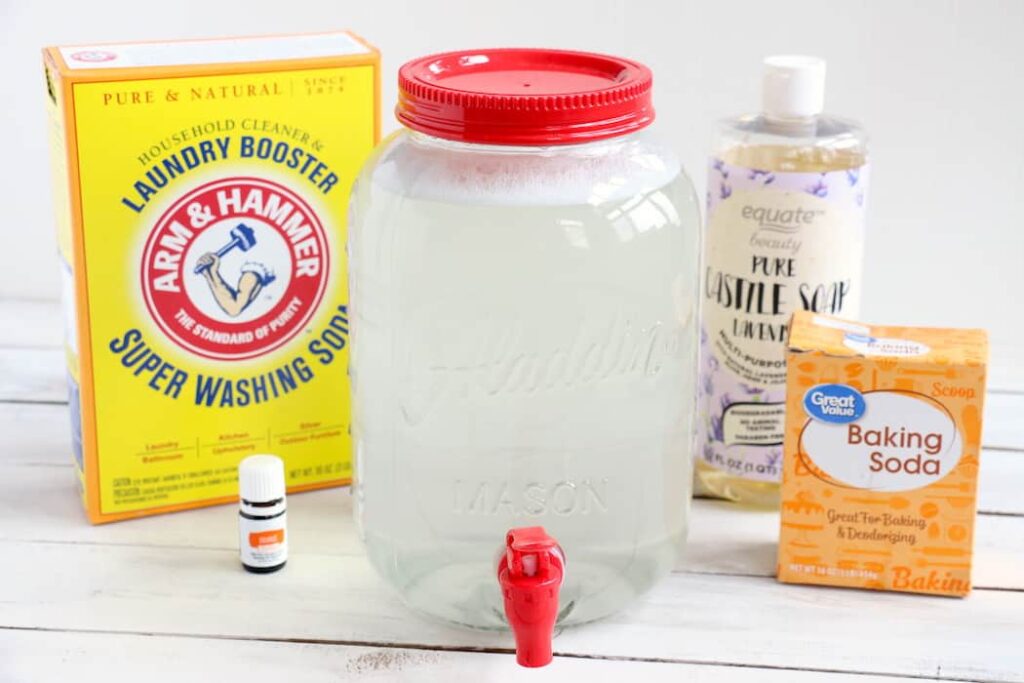
Mix dish soap and water — great for mild algae buildup:
Mild algae buildup on siding, ready for detergent cleaning.
- Spray the mixture
- Let it sit
- Rinse thoroughly
For thicker or older algae patches, use a soft-bristled brush with the cleaner to help lift residue.
🚫 4. Avoid Strong Pressure Washing
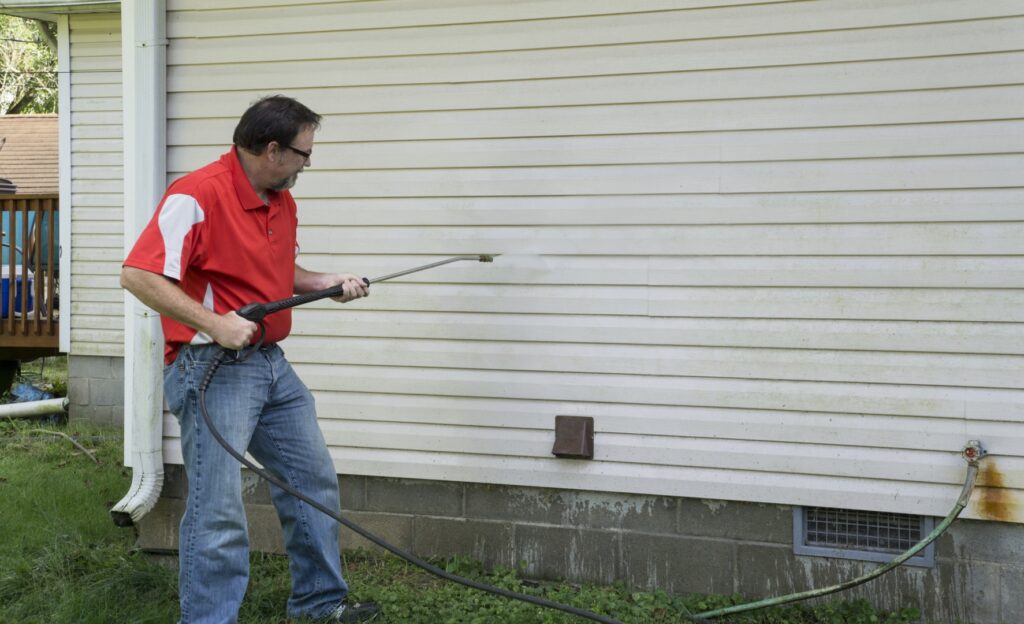
While pressure washing may seem fast, it can:
- Force water behind siding
- Cause internal damage
- Void warranties
- Strip paint or textured siding surfaces
Experts recommend using low-pressure “soft wash” techniques instead.
🧰 Tools & Materials You’ll Need
- Garden hose or sprayer
- Soft-bristle brush
- Oxygen bleach or diluted vinegar
- Gloves and safety glasses
- Protective plastic for nearby plants
A homeowner spraying a cleaning solution using a handheld sprayer — perfect for tackling algae.
🛡 Tips to Prevent Algae from Returning
Once your siding is clean, here’s how to keep it that way:
✔ Trim trees and bushes near your house
✔ Repair faulty gutters or downspouts
✔ Apply a siding-safe sealant
✔ Clean regularly (once or twice a year)
🔎 Before & After — Real Examples
Here’s another real example of algae removal done right:
Left: siding before cleaning (green algae heavy) — Right: siding after cleaning, restored and bright.
This kind of transformation highlights just how effective simple cleaning methods can be — even without a pressure washer!
📝 Final Thoughts
Green algae on siding may look like a stubborn eyesore, but the good news is that you don’t need expensive tools or professional help to remove it.
With the right mixture — whether it’s oxygen bleach, vinegar solution, or mild detergent — and a bit of patience, your siding can look fresh and clean again.
