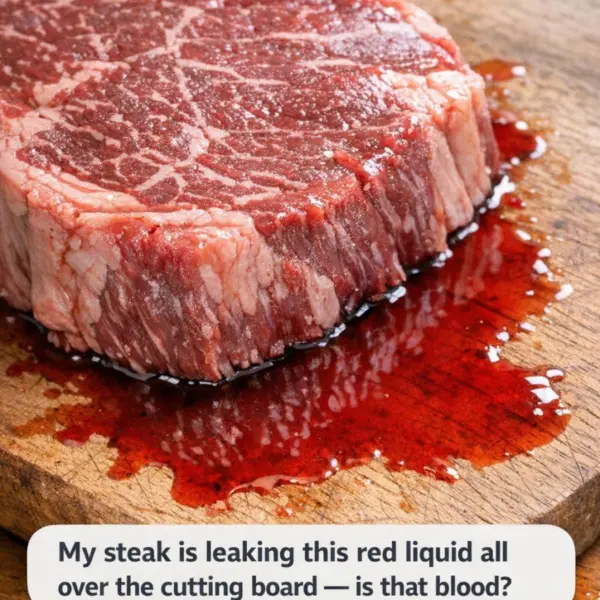
Picture this: you’re about to enjoy a perfectly cooked steak, but as you slice into it, a red liquid spills out, pooling on your cutting board. Instantly, a common question arises — is this blood? Many steak lovers have pondered this very question, often associating the red hue with blood, leading to unnecessary worries about the meat’s safety and quality.
In reality, the red liquid you’re seeing is far from what you might think. Understanding what it truly is can dispel myths and enhance your appreciation for a perfectly cooked steak. Let’s dive into the science behind that red liquid and why your steak may seem to ‘bleed’ after cooking.
1. What That Red Liquid Actually Is (Hint: It’s Not Blood)
Contrary to popular belief, the red liquid oozing from your steak is not blood. The majority of blood is drained from meat during the slaughtering process. What you see is primarily water mixed with a protein called myoglobin. This protein is responsible for transporting oxygen in muscle tissues and gives meat its red color.
Myoglobin levels vary depending on the type of meat and the age of the animal. For instance, beef has more myoglobin than chicken, which explains why beef is redder. This red liquid is a natural part of the muscle tissue and is entirely safe to consume.
2. Meet Myoglobin: The Protein Behind The Red Color
Myoglobin is a protein found in muscle tissue that binds oxygen, facilitating its movement within muscles. It is related to hemoglobin, the protein that carries oxygen in blood, but myoglobin is more concentrated in muscle cells. The amount of myoglobin in meat determines its color, with higher concentrations resulting in a darker red.
For example, beef and lamb have high myoglobin levels, giving them a deep red color, whereas chicken and fish, which have less myoglobin, are lighter in color. Myoglobin also influences the taste and nutritional content of the meat, contributing to the distinct flavor of different meats.
3. Why Steak ‘Bleeds’ More After You Cut Or Cook It
When you cook steak, the heat causes muscle fibers to contract, squeezing out water and myoglobin. Cutting into the steak releases this trapped liquid, resulting in the familiar red puddle on your plate. The amount of liquid released depends on how the steak is cooked. A rare steak will have more juice than a well-done one because less moisture is evaporated during cooking.
This release of liquid is a natural process and not an indication of poor quality. Allowing the steak to rest before cutting it can help redistribute the juices, reducing the amount that leaks out once you slice into it.
4. How Meat Processing And Packaging Create That Puddle
The processing and packaging of meat can influence the amount of red liquid you see. Vacuum-sealed packaging retains moisture, keeping myoglobin and water within the meat until it’s opened. This method helps preserve the meat’s freshness and color.
During processing, meat is also often treated with a saline solution to enhance flavor and juiciness, which can increase the amount of liquid in the package. This is especially common in pre-packaged meats found in supermarkets.
5. Is The Red Liquid Safe To Eat Or Cook With?
Yes, the red liquid is perfectly safe to eat or cook with. It’s simply water and myoglobin, both harmless and natural components of the meat. In fact, many chefs use this liquid to enhance the flavor of sauces or gravies. When heated, it can add a rich, savory depth to your dishes.
There is no health risk associated with consuming this liquid, and it can actually contribute to the overall enjoyment and taste of the meal when used creatively in cooking.
6. What The Color And Amount Can Reveal About Freshness
The color and amount of red liquid can give you clues about the meat’s freshness. Fresh meat will have a bright red color due to the presence of oxygenated myoglobin. Over time, exposure to air can cause the meat to turn brown as the myoglobin oxidizes.
If the liquid appears brownish or the meat has an off smell, it could be a sign that the meat is beginning to spoil. In such cases, it’s best to err on the side of caution and avoid consuming the meat.
7. How Cooking Temperature Changes The Color Of Myoglobin
The color of myoglobin in meat changes with cooking temperature. As the steak cooks, myoglobin is denatured and becomes brown. This is why a well-done steak appears brown throughout, while a rare steak retains a red center. The transformation begins at around 140°F (60°C), and by the time the meat reaches 160°F (71°C), most of the myoglobin is denatured.
Understanding these temperature changes can help you achieve your desired level of doneness and ensure the steak is cooked safely.
8. Tips To Reduce The Mess On Your Cutting Board
To minimize the mess of red liquid on your cutting board, allow the steak to rest for at least 5-10 minutes after cooking. This resting period lets the juices redistribute within the meat, reducing the amount that spills out when you cut into it.
Using a cutting board with grooves can also help catch any liquid that does escape, keeping your countertop clean. Additionally, slicing the meat against the grain can help maintain its structure and reduce juice loss.
9. Smart Ways To Use (Or Dispose Of) The Extra Liquid
Instead of discarding the red liquid, consider using it to enhance your culinary creations. You can deglaze a pan with the liquid to create a rich sauce or add it to soups and stews for extra flavor. The liquid can also be used as a base for marinades or gravies.
If you choose to dispose of it, avoid pouring it down the sink as it can cause clogs. Instead, soak it up with a paper towel and dispose of it in the trash.
10. When Red Liquid Might Signal A Real Problem
In some cases, the red liquid might indicate an issue if accompanied by an unusual odor or slimy texture. This could be a sign of spoilage, and consuming such meat could pose a health risk. Always check the sell-by date and storage conditions to ensure the meat is fresh.
If you have any doubts about the meat’s quality, it’s better to discard it than risk foodborne illness. Ensuring proper storage and handling of meat can help prevent spoilage and maintain its quality.
