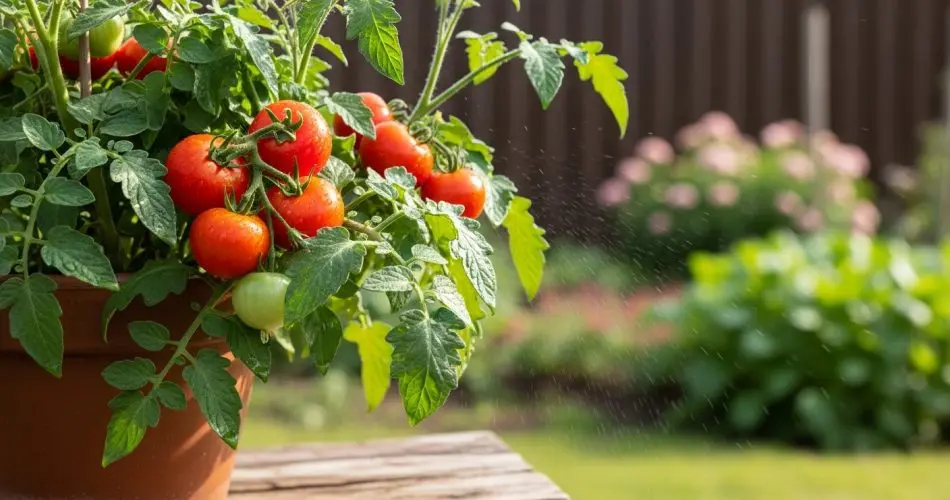
Tomatoes are a staple in gardens and kitchens alike, cherished for their juicy sweetness, versatility, and vibrant flavor. Imagine planting just one tomato plant and ending up with over twenty healthy seedlings—all without spending extra money or relying on chemicals. With the right methods, growing tomatoes from seed can be simple, rewarding, and surprisingly prolific. Whether you prefer the small, sweet cherry tomatoes or hearty local varieties like Baladi tomatoes, this guide will help you maximize your harvest and expand your garden from just one plant.
Why Grow Tomatoes from Seed
Growing tomatoes from seed has several advantages over buying seedlings or transplants. Seeds are inexpensive, widely available, and allow you to select varieties tailored to your taste and climate. They also produce plants that are strong and adapted to your local environment, often more resistant to pests and diseases than nursery-grown seedlings.
Moreover, propagating your own tomatoes ensures a virtually endless supply. With proper care, a single plant can generate multiple seeds or offshoots, providing free seedlings for future planting seasons. This method is both economical and sustainable, making it perfect for home gardeners, balcony growers, and small-scale farmers.
Choosing the Right Tomato Varieties
The first step is selecting the varieties you want to grow. Cherry tomatoes are ideal for quick harvests, small spaces, and snacking, while Baladi tomatoes, known for their rich flavor and firm flesh, are perfect for salads, sauces, and cooking. Selecting healthy, ripe fruits from trusted sources ensures the seeds inside are viable and strong.
Harvesting Seeds from a Tomato
Once you’ve chosen your fruit, harvesting seeds is simple:
- Slice the tomato and scoop out the seeds.
- Place them in a small container with a little water and let them ferment for 2–3 days. Fermentation removes the gelatinous coating that inhibits germination and helps prevent fungal infections.
- Rinse the seeds thoroughly under running water and allow them to dry completely on a paper towel. Dried seeds can be stored for future use or planted immediately.
Germinating Tomato Seeds
Germination is the process where seeds sprout into seedlings. With a few simple steps, you can achieve high success rates:
- Prepare a seed tray or small pots with a light, well-draining soil mix. A combination of garden soil, compost, and sand works well.
- Plant seeds about 0.5–1 cm deep. Cover lightly with soil and water gently to avoid displacing the seeds.
- Maintain warmth and moisture. Tomato seeds germinate best at temperatures between 20°C and 25°C. Keep the soil consistently moist but not soggy. Covering the tray with plastic or glass can create a mini greenhouse effect, retaining humidity and heat.
- Provide light once sprouts appear. After 5–10 days, seedlings emerge. Place them in bright, indirect light to promote strong growth and prevent leggy stems.
Transplanting Seedlings
Once seedlings develop 2–3 true leaves, they are ready for transplantation into larger pots or directly into your garden. Choose fertile, well-draining soil and a sunny location with at least six hours of sunlight per day. Space plants adequately—about 30–50 cm apart for cherry tomatoes and 50–70 cm for Baladi tomatoes—to allow for proper airflow and healthy growth.
Caring for Tomato Plants
Tomatoes thrive with consistent care, including watering, fertilization, pruning, and support:
- Watering: Keep soil consistently moist, especially during flowering and fruiting. Avoid overhead watering to reduce the risk of fungal diseases.
- Fertilization: Apply balanced fertilizers or organic compost regularly to support strong stems, leaves, and fruit production. Tomatoes benefit from nutrients such as nitrogen, phosphorus, potassium, and calcium.
- Pruning and Support: Use stakes, cages, or trellises to support plants as they grow. Remove lower leaves or suckers to improve airflow and focus energy on fruit development.
- Pest and Disease Management: Inspect plants regularly for pests like aphids, whiteflies, and fungal infections. Early intervention with organic sprays or manual removal keeps plants healthy and productive.
Multiplying Your Plants
The magic of tomato propagation lies in multiplying your plants for free. Here’s how:
- Seed Harvest: As your plants fruit, collect seeds from ripe tomatoes and repeat the germination process. One plant can easily yield hundreds of viable seeds.
- Cuttings: Some tomato varieties root easily from cuttings. Take a healthy stem, remove lower leaves, place it in moist soil or water, and wait for roots to develop before transplanting.
- Succession Planting: Stagger planting intervals to maintain a continuous supply of seedlings throughout the season.
By following these techniques, one tomato plant can become the source of twenty—or even more—new seedlings, allowing you to expand your garden or share seedlings with friends and family.
Enjoying Chemical-Free Tomatoes
Growing tomatoes from seed also gives you full control over cultivation methods. By avoiding chemical pesticides and fertilizers, you can enjoy fresh, safe, and flavorful fruit. The natural sweetness and rich taste of homegrown cherry and Baladi tomatoes are unmatched, making every harvest a delight.
Final Thoughts
With just one healthy tomato plant and a little knowledge, you can create a thriving garden that produces dozens of seedlings and bountiful fruit. By carefully harvesting seeds, germinating them properly, providing consistent care, and practicing smart propagation, you’ll enjoy a chemical-free, abundant tomato supply all season long.
Start today, and watch as a single tomato plant transforms into a garden full of thriving, flavorful, and free-growing tomato seedlings—proof that patience and the right techniques can multiply both your harvest and your gardening satisfaction.
