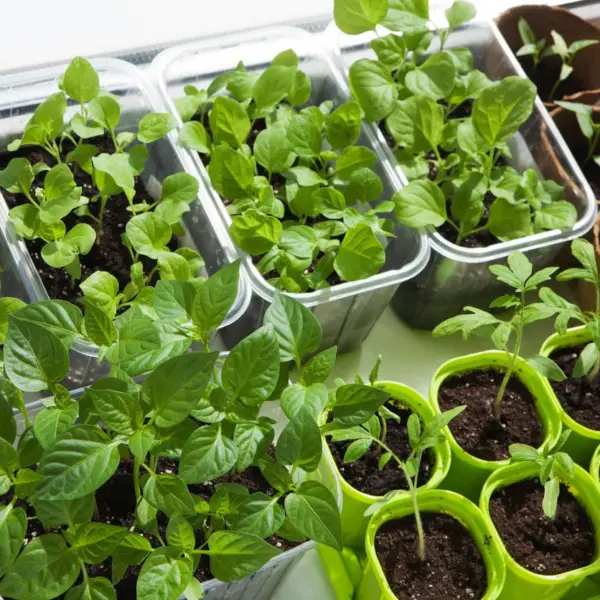
When January rolled around, I used to think gardening was completely on hold. Cold weather and frozen soil made it feel like there was nothing to do. That turned out to be far from true.
After experimenting with indoor seed starting, and comparing notes with family and friends in different zones, it became clear that January can be incredibly useful for starting the right crops, as long as timing is handled correctly.
What Is Indoor Seed Starting & Why Do It In January?

Indoor seed starting simply means sowing seeds inside your home, usually in small pots or trays under grow lights, and keeping them there until outdoor conditions are safe for planting.
January may feel like a dead month for gardening, but it can actually be a great time to get started, if you’re selective!
The key is your last frost date, not just your growing zone. Gardeners in colder areas often need a longer head start, while warmer zones may not need to start as early.
It’s also worth clearing up the difference between starting seeds indoors and using a greenhouse.
- Indoor seed starting happens inside your home with stable temperatures and artificial light.
- Greenhouses still depend on outdoor conditions and, unless they’re heated, January can be too cold for many crops.
If you want a broader picture, I put together a full, zone-by-zone breakdown of everything you can plant in January (both indoors and outdoors) so you can see how much is actually possible this time of year.
Zone 1-3: Early Starts That Actually Work in Cold Climates

My aunt gardens in Zone 3, where winter feels endless. January used to mean waiting, but after a few seasons of experimenting, these are the crops that consistently worked best for her early starts.
1: Onions (from seed)

Onions have been one of her most reliable successes. She sows them in shallow trays under grow lights and lets them grow slowly until the ground outside can be worked. Keeping the soil lightly moist and giving them strong light makes all the difference.
Quick reminder: Don’t worry if onion seedlings look thin and grassy at first, that’s completely normal.
2: Leeks

Because leeks take so long to mature, she’s found they benefit a lot from an early start. She keeps them under lights until early spring and focuses on steady growth rather than rich soil or fertilizer.
Quick tip: Trimming the tops slightly if they get tall helps keep them sturdy.
3: Cabbage

Cabbage handles cool weather extremely well and transplants easily. Starting it indoors gives it a big head start before outdoor temperatures warm up. She’s had the best results by keeping seedlings on the cooler side and avoiding heavy feeding early on.
Quick tip: Strong light keeps cabbage compact and prevents leggy stems.
4: Kale

Kale has actually become one of her favorites over the years. It’s forgiving, handles cold better than most, and always bounces back after transplanting. She grows it in small pots and moves it outside as soon as daytime temperatures stay above freezing.
Quick tip: Water consistently, but don’t let seedlings dry out completely (even short dry spells can slow growth).
What She Avoids Starting This Early
She also tried carrots and turnips at first, assuming their cold tolerance would help, but neither transplanted well and root growth suffered. Tomatoes were another experiment that didn’t pay off. They grew too fast, became leggy, and were hard to manage indoors.
After a few seasons, she learned to save early starts for slow, cold-hardy crops and leave the rest for later.
Zone 4-5: Getting a Head Start Without Overdoing It

My friend Stephanie gardens in Zone 4b, where winters are still cold but spring doesn’t feel impossibly far away. January is when she starts planning ahead, and over the years these are the crops that have worked best for her early starts.
1: Lettuce

She told me lettuce is actually one of the easiest crops to get going late in January. It grows quickly, handles transplanting well, and gives an early harvest once temperatures improve. She keeps seedlings under strong light and waters lightly but consistently.
Quick tip: She recommends starting lettuce in small batches every couple of weeks to prevent everything from being ready at once.
2: Spinach
Spinach has become one of her early-season staples. Even though she still direct sows later, getting a few plants started early helps when spring weather is unpredictable. She keeps seedlings in a cooler room and focuses on even moisture.
Quick tip: Harden off spinach gradually, since sudden temperature changes can stress young plants.
3: Kale

Kale is one of Stephanie’s favorites and easily one of her most reliable crops. It transplants without fuss, handles cool spring weather well, and rarely gives her problems. Plenty of light and a bit of space between seedlings keeps it sturdy.
Quick tip: Water consistently, but don’t let seedlings dry out completely (even short dry spells can slow growth).
4: Broccoli

Broccoli has been worth the early effort for her, especially to avoid summer heat later on. She lets it grow steadily without pushing fertilizer and moves it outside as soon as the soil can be worked.
Quick tip: Transplanting broccoli early helps improve head formation and overall yield.
What She Avoids Starting Indoors
Stephanie also tried carrots and beets early on, assuming their cool-season nature would help, but neither handled transplanting well.
Just like my aunt, tomatoes were another experiment that didn’t pay off. They grew too fast, became leggy, and were hard to manage indoors. Now she saves early starts for crops that truly benefit and leaves the rest for later.
Zone 6-7: What’s Worth Starting Early (And What Isn’t)

I garden in Zone 7, where winters are milder but January can still be unpredictable. Over time, I’ve learned that starting everything too early is a mistake.
In this zone, January seed starting works best for slow-growing crops that need extra time indoors before spring. These are the ones I start every year and consistently have success with.
1: Peppers

Peppers are always my top priority and easily my favorite January start. They take a long time to germinate and grow slowly at first, so getting them going early makes a noticeable difference. I sow them about 8-10 weeks before my last frost date and keep them warm under grow lights.
Quick tip: Bottom heat helps pepper seeds germinate faster and more evenly.
2: Celery

Celery is another crop that’s worth the patience. It has a long growing season, and starting early pays off later. Germination can be slow, but once seedlings get established, the head start really shows.
Quick tip: I keep the soil evenly moist at all times, since celery doesn’t tolerate drying out well.
3: Onions (from seed)

I also start onions from seed, especially long-season varieties. They grow slowly but handle transplanting well once temperatures begin to warm. I keep them under bright grow lights and water lightly, making sure the soil stays evenly moist without staying wet.
Quick tip: If seedlings start to flop over, trimming the tops slightly helps keep them upright and strong.
What I Wait to Start
I’ve tried starting crops like tomatoes, squash, and zucchini in January, thinking it would give me a head start. In reality, it backfired. They grew too fast, became leggy, and were already stressed by the time it was safe to move them outside.
Now I wait and start those crops closer to their proper planting window. They grow stronger, adapt better outdoors, and are much easier to manage overall.
If you still want something fast and rewarding indoors during winter, I also experimented with microgreens and was surprised how quickly they’re ready to harvest. I also keep a few herbs growing indoors all winter, and after testing what actually holds up, I broke it all down by zone to make it easier to follow.
Zone 8-9: What’s Worth Starting When Winters Are Mild

My friend Patrick gardens in Zone 9, where winters are mild and the growing season feels much longer than in colder regions. Because of that, January indoor seed starting isn’t always necessary, many crops can be planted outdoors earlier.
Still, he has found a few plants that benefit from an indoor start, mostly because they’re slow to germinate or easier to manage early on. These are the ones that have worked best for him.
1: Parsley

Parsley is one of the few plants Patrick consistently starts early. It takes a long time to germinate, and getting it going ahead of time helps him have established plants much sooner. He keeps seedlings under bright light and maintains even moisture until they’re ready to move outside.
Quick tip: Parsley can take two to three weeks to sprout, so patience really matters here.
Patrick also keeps a few herbs growing indoors all winter, which is something we ended up breaking down by zone after testing what actually holds up indoors.
2: Cilantro

Cilantro prefers cooler conditions and tends to bolt once temperatures rise. He likes to start it indoors so he can harvest leaves earlier, before the heat sets in. He keeps the soil evenly moist and gives seedlings plenty of light to prevent weak growth.
Quick tip: Harvest cilantro regularly to slow bolting and extend the harvest.
3: Thyme

Thyme has been one of his more successful early starts. Since it grows slowly from seed, giving it extra time helps produce sturdy plants by transplanting season. He avoids overwatering and makes sure trays drain well.
What Didn’t Work for Patrick
Patrick also experimented with starting some fast-growing crops like tomatoes and squash. This turned out to be unnecessary, those plants actually performed better when started closer to transplant time or sown directly outdoors.
Now, he limits January indoor seed starting to slower-growing herbs and lets the rest grow on their natural schedule.
Zone 10: When Early Seed Starting Isn’t Really Needed

In Zone 10, winter barely slows things down. January doesn’t really feel like an off-season, which means starting seeds indoors is often optional rather than necessary. My friends gardening in this zone have found that many plants actually perform better when started outdoors instead of being kept inside.
That said, there are still a few cases where starting seeds indoors in January makes sense, mostly for slow-growing herbs or when extra control early on is helpful.
The few plants they still start indoors:
- Thyme: Slow to germinate and benefits from an early, controlled start;
- Basil: Optional, but useful if you want earlier harvests before nights fully warm;
- Parsley: Germinates slowly and can be easier to manage indoors at first.
They recommend skipping early starts for vegetables like tomatoes, peppers, squash, and cucumbers. These crops grow quickly and tend to perform better when planted outdoors directly or started closer to their normal planting window.
Essential Tips For Successful Indoor Seed Starting

After trying this so many times (and making a few mistakes along the way) these are the basics I always stick to when starting seeds indoors. They’re simple, but they make the biggest difference between strong seedlings and ones that struggle.
- Don’t rely on windows alone: Grow lights make a huge difference! Even bright windows usually aren’t enough to prevent leggy growth;
- Match timing to your last frost date: Starting too early causes more problems than it solves. Slow growers benefit from early starts; fast growers don’t;
- Keep moisture consistent, not heavy: Seedlings need steady moisture, but soggy soil leads to weak growth and disease;
- Use a light seed-starting mix: Regular potting soil is often too dense. A loose mix helps roots develop properly;
- Give seedlings space early: Crowding leads to weak stems and poor airflow. Thin or pot up sooner rather than later;
- Harden off gradually: Even cold-tolerant plants need time to adjust. A slow transition outdoors prevents shock.
If January feels a bit early for some of the crops you want to grow, I also mapped out what makes more sense to start in February, when the timing opens up a lot more options.
