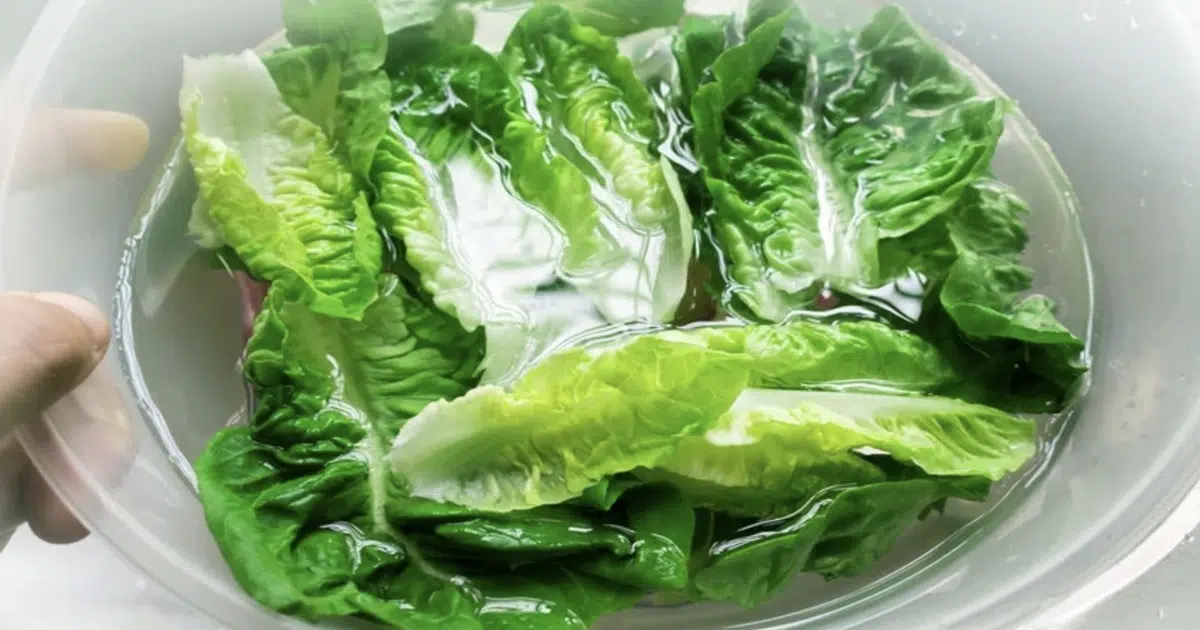
We’ve all been there—you open the fridge, dreaming of a fresh, crisp salad, only to find your lettuce looking sad. Limp. Lifeless. A total disappointment. And let’s be honest, at that moment, the thought of eating a soggy, rubbery lettuce leaf is just unacceptable. But before you toss it in the trash (or compost, if you’re feeling eco-friendly), let me let you in on a little secret: you can actually fix wilted lettuce with hot water. Yes, you read that right. Not cold. Not ice water. Hot. Water. I know, it sounds completely backward, but trust me—this trick works like magic.
So, if you’re wondering how to fix wilted lettuce, keep reading, because I’m about to turn your limp greens into crisp, salad-worthy goodness.
Why Does Lettuce Wilt in the First Place?
Lettuce wilts when it loses moisture. Think of lettuce like a tiny, leafy water balloon. When it sits in your fridge too long, it slowly loses water, making the leaves soft and droopy.
Other culprits of sad lettuce include:
- Poor storage: Not keeping it in an airtight container or a humid environment.
- Old age: Lettuce doesn’t last forever, no matter how much we wish it would.
- Temperature shock: Moving lettuce from a cold fridge to a warm counter can speed up wilting.
But here’s the good news: lettuce isn’t dead—it just needs a little re-hydration therapy.
The Hot Water Trick to Revive Wilted Lettuce
Now, I know what you’re thinking. Hot water? Won’t that just make it worse? Surprisingly, no! It actually reverses the wilting process.
Here’s How to Do It:
- Boil some water—not scalding, just warm enough to be hot (about 120°F to 130°F).
- Submerge your wilted lettuce in the hot water for 30 seconds to 1 minute.
- Immediately transfer it to an ice bath (a bowl of ice water) for another 2-3 minutes.
- Pat dry with a paper towel and store it in the fridge for 15-30 minutes to crisp up.
That’s it! When you take it out, you’ll find your lettuce perky and crisp again, just like new.
Why Does Heat-Shocking Lettuce Work?
This method isn’t just some internet myth. It actually works because of cell permeability. When lettuce wilts, its cells lose water and collapse. The hot water relaxes the cell walls, allowing them to absorb moisture more quickly. Then, the ice bath locks in the hydration, making the leaves crisp again.
This isn’t just for lettuce either—other heat-shocking produce methods work for things like asparagus, carrots, and even herbs. So next time your veggies start looking lifeless, give them a little spa treatment!
Other Ways to Keep Lettuce Fresh for Weeks
Of course, prevention is always better than cure. If you want to keep your lettuce crisp longer, here are some pro tips:
1. Store It Properly
Before tucking lettuce away in the fridge, knowing the proper way to wash salad greens is key. Storing it slightly damp but not soaking wet helps maintain moisture levels while preventing rot. A paper towel inside the container can also absorb excess moisture, keeping the leaves crisp.
2. Create the Ideal Storage Conditions
Certain storage methods can significantly extend the freshness of lettuce. Some people swear by placing it in an airtight container, while others use specialized produce keepers. Lettuce can actually stay fresh for weeks with the right approach, making meal prep much easier.

3. Understand the Type of Lettuce You’re Using
Not all lettuces are created equal—some naturally stay fresh longer than others. If you’ve ever wondered why iceberg lettuce seems to last forever while romaine wilts faster, it’s due to their different water content and cellular structure. A quick look at the differences between iceberg and romaine explains why storage methods should vary depending on the type of lettuce you’re using.
What About Pre-Washed Lettuce? Can You Trust It?
If you’ve ever grabbed a bag of pre-washed lettuce at the store and thought, do I really need to wash this?, you’re not alone. Pre-washed lettuce isn’t always as clean as you think (yes, even if it says “triple-washed”).
There have been plenty of cases where pre-washed greens were contaminated with bacteria. To make sure you’re eating truly clean lettuce, it’s worth knowing whether pre-washed lettuce is actually safe.
What About Lettuce With Rusty Spots?
Ever seen those brownish-red spots on your lettuce and thought, is this still safe to eat? Those spots aren’t actually rust (even though they look like it). They’re caused by oxidation and minor bruising. While they won’t make you sick, they do indicate aging lettuce.
If you’re unsure whether lettuce with discoloration is still okay to eat or needs to be tossed, take a look at what rusty spots on lettuce actually mean.

So, next time your lettuce looks sad and droopy, don’t toss it just yet—give it a hot water bath instead! It’s a quick, easy, and budget-friendly trick to revive wilted greens and save you from wasting food.
And if you’re serious about keeping your lettuce fresher for longer, don’t forget:
- Store it properly.
- Keep it dry but not too dry.
- Know your lettuce type.
- Wash it—even if it’s pre-washed.
Now, go enjoy that crisp, fresh salad like the lettuce-saving pro you are!
