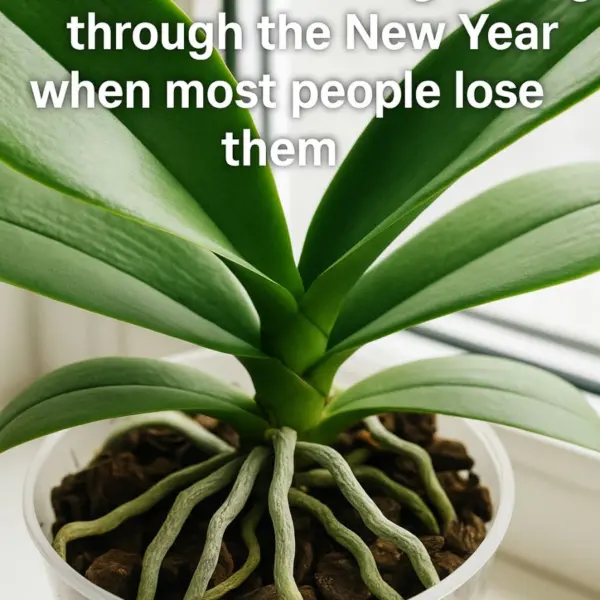
Orchids are often regarded as the jewels of the plant world, captivating enthusiasts and novices alike with their intricate blooms and exotic elegance. Yet, many orchid owners find themselves disappointed when their prized plants falter, especially during the colder months leading up to the New Year. While orchids are famously finicky, with the right care and attention, they can continue to thrive and bloom beautifully even when other household plants struggle.
Understanding the unique needs of orchids is key to maintaining their health and maximizing their flowering potential. From choosing the right species to mastering environmental conditions, there are several strategies that can help your orchids not only survive but flourish through the holiday season. Let’s dive into the essential tips for keeping your orchids blooming strong when most others fail.
1. Start With the Right Orchid (And Why Phalaenopsis Win Every Time)
The Phalaenopsis, or moth orchid, is often recommended for beginners and experienced growers alike due to its adaptability and resilience. These orchids are particularly suited to home environments, thriving in the same conditions that humans find comfortable. They are known for their long-lasting blooms, which can endure for several months with proper care.
Phalaenopsis orchids prefer a temperature range between 65°F and 75°F, making them ideal indoor companions. Additionally, they require less light than other orchid species, meaning they can flourish in indirect sunlight or under artificial lighting. Their forgiving nature allows them to rebound from minor care mistakes, making them a reliable choice for those looking to enjoy continuous blooms through the New Year.
2. Decode the ‘Secret’ Light Sweet Spot Most Owners Get Wrong
Light is one of the most critical factors for orchid health, yet it is commonly misunderstood. While orchids need light to photosynthesize and produce energy, too much direct sunlight can scorch their leaves, while too little light can prevent blooming. The ideal light condition for Phalaenopsis orchids is bright, indirect light.
To achieve this, place your orchid near an east-facing window where it can receive gentle morning sunlight. If your windows face south or west, use a sheer curtain to diffuse the light. A simple test for adequate light is the shadow method: if your orchid casts a soft shadow, the light is just right. If the shadow is dark and sharp, the light is too intense.
3. Master the Watering Schedule: The Soak-and-Drain Method That Prevents Rot
Proper watering is crucial for orchid health, as overwatering can lead to root rot, while underwatering can cause dehydration. The soak-and-drain method is an effective way to ensure your orchid receives sufficient moisture without waterlogging its roots.
Water your orchid once a week by placing it in a sink and allowing lukewarm water to run through the potting medium for about 5 minutes. Ensure that the pot has drainage holes so excess water can escape, preventing root rot. After watering, allow the pot to drain completely before returning it to its display location. This method mimics the natural conditions of orchids, which absorb moisture from rain and dry out between showers.
4. Use the Clear Pot Hack to Read Your Orchid’s Roots Like a Pro
TO CONTINUE READING THE ARTICLE PLEASE SEE PAGE 2
