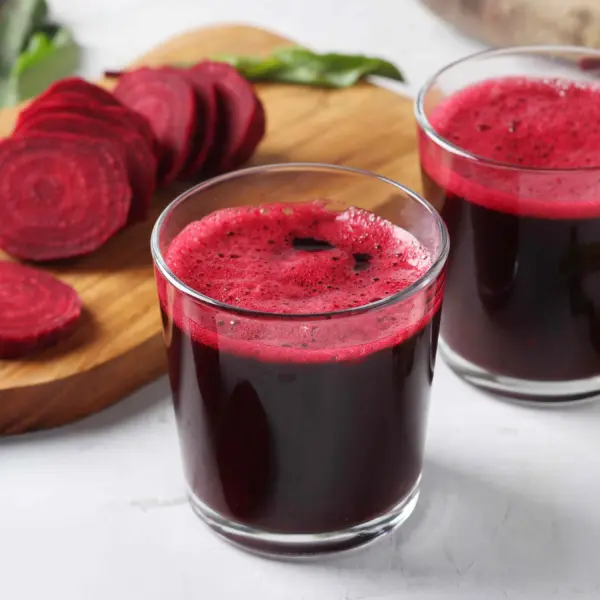
Beetroot has quietly earned a reputation as one of the most powerful everyday foods you can add to your diet.
It’s inexpensive, easy to prepare, and available year-round, yet its effects on the body can be surprisingly noticeable – often within days, not months.
If you eat beetroot every day for 14 consecutive days, your body doesn’t change all at once. The benefits appear in stages, affecting circulation, digestion, energy levels, and inflammation before any visible changes show up on the outside.
Why Beetroot Has Such a Fast Impact on the Body
Beetroot is uniquely rich in dietary nitrates, betalain antioxidants, fiber, folate, potassium, and iron-supporting compounds.
Unlike many nutrients that require long-term buildup, nitrates from beetroot are converted quickly into nitric oxide, a molecule that directly affects blood vessels and circulation.
This is why beetroot is often used by athletes, heart-health researchers, and traditional medicine systems alike – it works at a foundational level of body function.
Days 1–3: Circulation Improves First
One of the earliest changes people notice is improved circulation.
Within hours of eating beetroot, nitrates are converted into nitric oxide. This causes blood vessels to relax and widen, allowing blood to flow more freely.
Over the first few days, this improved blood flow can lead to subtle but real effects:
- Hands and feet may feel warmer
- Mild headaches from poor circulation may lessen
- Some people notice reduced tension in the body
- Blood pressure may begin to trend downward
This effect is why beetroot juice is often used before workouts – it enhances oxygen delivery almost immediately.
Days 3–5: Energy Levels Feel More Stable
By the middle of the first week, many people notice changes in energy that feel different from caffeine or sugar.
Instead of sharp spikes and crashes, beetroot supports more efficient oxygen use at the cellular level. Muscles and organs require less effort to do the same work.
Common changes during this phase include:
- Less afternoon fatigue
- Improved stamina during walking or exercise
- Feeling “lighter” during physical activity
- Reduced shortness of breath during exertion
This isn’t a stimulant effect – it’s the body working more efficiently.
Days 4–7: Digestion and Bowel Regularity Improve
Beetroot is high in natural fiber, but its effects on digestion go beyond simple bulk.
As beetroot passes through the digestive system, it supports beneficial gut bacteria and stimulates bile flow, which helps break down fats more efficiently.
During the first week, many people notice:
- More regular bowel movements
- Reduced bloating
- Improved digestion after meals
- A lighter feeling in the abdomen
This digestive shift is often one of the most noticeable early changes, especially for people who previously struggled with sluggish digestion.
Days 5–7: Detox Pathways Become More Active
Beetroot has long been associated with liver support. Its betalain compounds help activate enzymes involved in detoxification, particularly in the liver.
As this process ramps up, some people experience:
- Darker urine (especially with beetroot juice)
- A temporary increase in bathroom visits
- Mild changes in body odor or sweat
- Improved skin clarity after an initial adjustment period
These changes are signs that waste products are moving through the body more efficiently.
Days 7–10: Blood Pressure and Heart Support Become Noticeable
By the end of the first week, the cumulative effects of improved circulation begin to show more clearly.
Studies consistently show that regular beetroot consumption can help reduce systolic and diastolic blood pressure.
While results vary by individual, many people notice:
- Fewer pressure-related headaches
- A calmer heartbeat at rest
- Reduced facial flushing
- Improved tolerance for physical stress
This is one reason beetroot is frequently recommended for cardiovascular support.
Days 7–10: Muscle Recovery Feels Faster
Beetroot’s impact on blood flow and inflammation also affects muscle recovery.
People who exercise regularly often notice:
- Less muscle soreness after workouts
- Faster recovery between sessions
- Reduced stiffness in joints and muscles
The antioxidants in beetroot help neutralize free radicals produced during physical activity, reducing tissue stress.
Days 10–14: Mental Clarity and Focus Improve
As circulation improves throughout the body, the brain benefits as well.
Nitric oxide enhances blood flow to the brain, supporting oxygen and nutrient delivery. Over the second week, many people report:
- Clearer thinking
- Improved focus
- Better memory recall
- Less mental fatigue
This effect is especially noticeable in older adults or people experiencing brain fog from stress or poor circulation.
What Changes You Might See on the Outside
Visible changes tend to appear later than internal ones, but by the end of two weeks, some people notice:
- Healthier skin tone due to improved blood flow
- Reduced puffiness in the face
- A natural glow from better circulation and detoxification
Beetroot doesn’t cause rapid weight loss, but improved digestion and reduced inflammation may support gradual body recomposition over time.
Why 14 Days Matters
Eating beetroot once or twice provides short-term benefits, but daily consumption for two weeks allows effects to compound.
Nitric oxide production becomes more consistent. Digestive changes stabilize. Circulation adapts. This is the point where beetroot shifts from being a “healthy food” to a functional daily support.
The Best Ways to Eat Beetroot Daily
Consistency matters more than form. Beetroot can be eaten:
- Roasted or steamed
- Grated raw into salads
- Blended into smoothies
- Juiced (in small amounts)
- Pickled (watch sodium levels)
Light cooking preserves most benefits while making beetroot easier to digest for some people.
How Much Beetroot Is Enough Each Day?
A moderate daily amount is sufficient:
- One small to medium beetroot
- Or about half a cup cooked
- Or 100–150 ml of beetroot juice
More is not necessarily better. Excessive amounts may cause digestive discomfort.
Common (and Harmless) Side Effects
One side effect surprises many people: beeturia, the pink or red coloring of urine or stool. This is harmless and temporary.
Other mild effects may include:
- Temporary bloating
- Increased bowel activity
- Earthy taste sensitivity
These usually resolve as the body adapts.
Who Should Be Cautious With Daily Beetroot
While beetroot is safe for most people, caution is advised if you:
- Have kidney stones (due to oxalates)
- Take blood pressure – lowering medication
- Have low blood pressure
In these cases, moderation is key.
Why Beetroot Works Better Than Many Supplements
Beetroot delivers nutrients in a form the body recognizes and uses efficiently. Instead of isolating compounds, it provides synergy – fiber, antioxidants, minerals, and nitrates working together.
This is why the changes feel natural rather than forced.
Eating beetroot every day for 14 days doesn’t transform the body overnight – but it does trigger a cascade of positive changes that start quickly and build steadily.
