Consistency and regular blooming is something I’m sure many gardeners (including me) dream about.
To have your plants thrive for decades and still be able to produce flower yields every year might sound too good to be true. But, it really is true!
In today’s article, we’re going to take a look at perennials that stick around for decades and bloom every year without fail. Let’s jump right into the good stuff!
So, How Long Do These Perennials Last?
Well, the reason why perennials are given that name is because they return every year and do not need to be replanted.
So, that in itself means that they’ll last a very long time, ideally 10+ years (some can even live up to 30+ years!) if they’re cared for and maintained properly. In some cases, it’s the patch or colony that lasts that long, as individual plants may naturally be replaced through self-seeding or division.
Should I Choose These Perennials For My Garden?

Ofcourse! Who wouldn’t want long-lasting flowering plants in their garden?
In all seriousness, these perennials are the ideal choice for you if you’re patient enough to let them do their own thing.
Frequent trimming and fertilization in the growing season would still be needed, but these perennials would save you the extreme hassle of having to replant every year, which is, more often than not, a nightmare of its own.
Perennials That Thrive For Decades

1: Peony (Paeonia Spp.)

Peonies can live 50+ years in the same spot, often blooming better with age! They can be seen blooming vigorously in late spring, and the flowers only improve with age.
DO NOT transplant this perennial unless it’s extremely necessary, as it usually doesn’t react well to transplantation.
Perennial in zones 3-8. They need a good winter chill to bloom their best, so they’re not great for hot climates. If you’re in zones 9 to 11, sadly, they’ll just sulk.
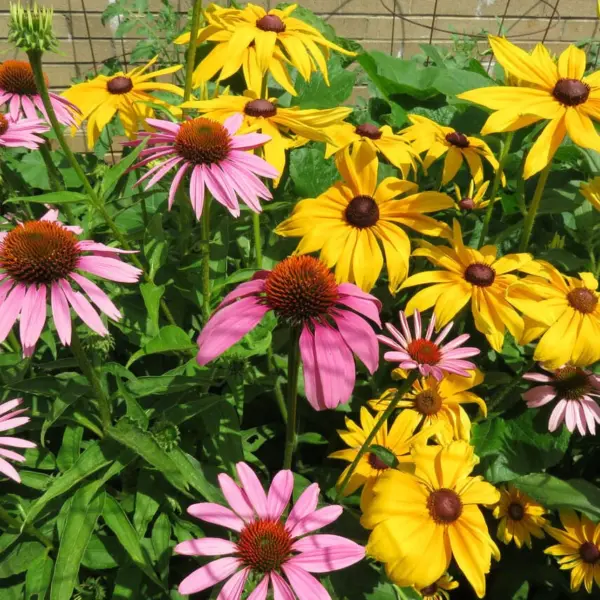
2: Coneflower (Echinacea Purpurea)

Coneflowers can last up to about 20+ years, producing blooms every year from spring to fall. They self-seed pretty well and are highly useful for drawing in pollinators to the garden.
Individual coneflower plants may only live 3 to 7 years. But, considering they self-seed readily, a patch can last for decades.
Perennial in zones 3-9. They’re tough as nails in most gardens, but in soggy winter soils they can fade out. Luckily, they self-seed like champs and fill in any gaps.
3: Daylily (Hemerocallis)

Daylilies can stick around for 30 to 40 years. They bloom every year in the midst of summer and can stick around till fall (some varieties even rebloom with deadheading!). Dividing daylilies once every few years is crucial for maintaining their strong growth and performance.
Perennial in zones 3-9. They’ll thrive almost anywhere, but in the coldest spots (zone 3) a little extra mulch in winter will keep them happy.
4: Black-Eyed Susan (Rudbeckia Fulgida ‘Goldsturm’)

Black-eyed Susans can last 15-20+ years, but some varieties can start giving you trouble around the 15-year mark. Their daisy-like blooms fill the garden with bright yellow and orange from midsummer all the way till fall.
Something I personally love about these perennials is how easy they are to maintain. Thanks to their drought-tolerant nature, black-eyed Susans only really need some infrequent watering, trimming, and fertilization to grow and bloom well.
Perennial in zones 3-9. They love both cold winters and hot summers. Just note that not all Rudbeckias are this long-lived, so make sure you plant this variety.
5: Siberian Iris (Iris Sibirica)

Siberian irises can live 20-30+ years in the garden! They’re super hardy and tolerant of poor soil conditions, having the ability to withstand both wet and heavy soil better than bearded irises.
Perennial in zones 3-9. Super hardy and happy in cooler climates, but in hotter zones you might want to give them some afternoon shade.
6: Baptisia (False Indigo)

While baptisias are amazing perennials, they have a good and bad side to them. The good side is that they can last up to 20-30+ years in the right conditions! But, something that can truly bother you as a grower is that they have very deep roots that can’t be transplanted once they’re established.
Perennial in zones 3-9. They’ll handle tough winters just fine, but in really hot zones (9 to 10) give them well-drained soil and go easy on the summer water.
7: Hellebore (Helleborus Orientalis)
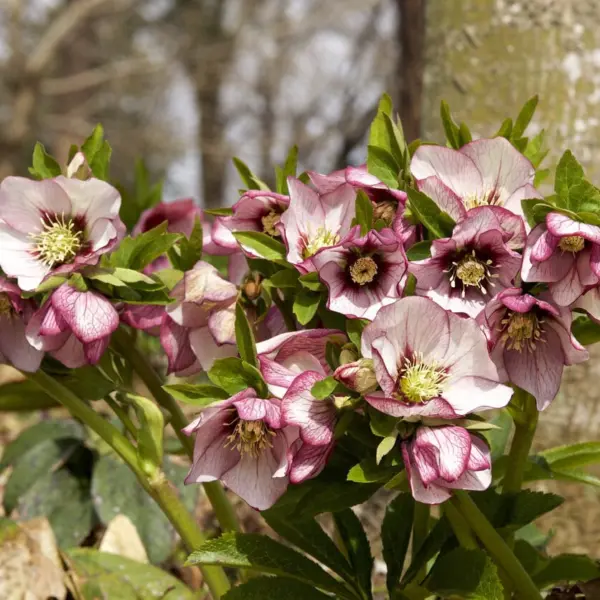
Hellebores can thrive for 20+ years without any trouble whatsoever. They bloom between late winter and early spring, producing deep purple, maroon, and even black flowers that look fantastic when paired with lighter backgrounds.
Perennial in zones 4-9. In mild climates they stay evergreen, but in colder zones the leaves may die back. Don’t worry, they’ll pop back up in spring.
8: Garden Phlox (Phlox Paniculata)

Garden phlox can last 15-25 years, garden phlox blooms all summer long but may need frequent division to maintain healthy growth and function. Fortunately for you, any work you put into this perennial will be worthwhile when you see its mesmerizing flower yield.
Perennial in zones 4-8. They adore cooler summers, so in warmer zones give them a bit of afternoon shade to keep them looking fresh.
9: Sedum (Hylotelephium ‘Autumn Joy’)

Sedums can last up 15-20+ years. They produce large, round flower clusters that attract pollinators between late summer and fall. Due to their drought-tolerant nature, sedums can go for many weeks without needing much water or special attention!
Perennial in zones 3-9. Very cold-hardy and drought-tolerant. In zone 9, make sure they have dry soil and full sun for the best flower color.
Let’s Conclude

Now that you have all the long-lasting perennial options on the table, the only question that remains is whether you’re ready for a garden with perennials that will last for decades. If your answer is yes, pick your best options and begin planting them right away!
