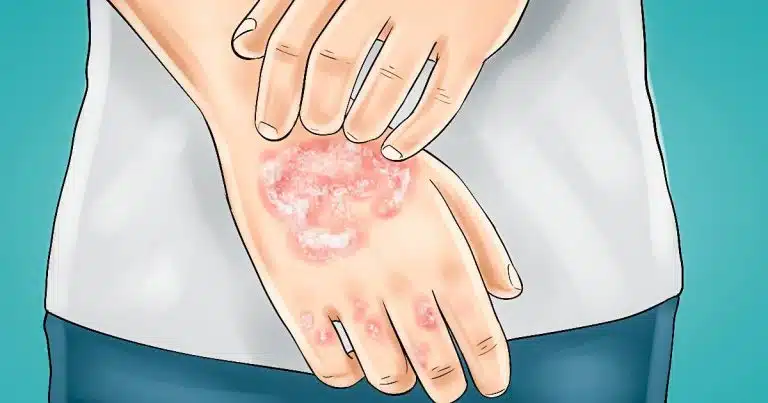
If you suffer from eczema, you know how frustrating it can be – the itching, redness, and dry patches can flare up seemingly out of nowhere.
While creams and medications can help manage symptoms, your diet plays a major role in how often those flare-ups occur.
Certain foods are known to trigger inflammation, histamine reactions, and immune responses that worsen eczema.
Avoiding or limiting these foods can make a huge difference in managing symptoms and improving your skin’s health from the inside out.
What Is Eczema and How Food Affects It
Eczema (or atopic dermatitis) is a chronic skin condition characterized by dry, itchy, inflamed skin. It’s linked to an overactive immune system that reacts strongly to environmental or dietary triggers.
When certain foods cause inflammation or immune responses, they can lead to:
- Increased itchiness and redness
- Swelling or rashes around the mouth or hands
- Digestive discomfort, which signals an internal imbalance
- Weakened skin barrier, making the skin more prone to infection
The connection between eczema and food lies in inflammation – foods that promote inflammation can aggravate symptoms, while anti-inflammatory foods can help calm them down.
1. Dairy Products
Why it’s a problem: Milk, cheese, and yogurt are among the most common eczema triggers. Dairy can cause inflammation and increase mucus production.
Some people have trouble digesting the proteins in milk (casein and whey), which can lead to immune reactions that show up as skin flare-ups.
What to eat instead: Try plant-based alternatives like oat milk, almond milk, or coconut milk. If you need calcium, focus on foods like kale, sesame seeds, or fortified plant milks.
2. Eggs
Why it’s a problem: Eggs contain proteins that can cause allergic responses in both children and adults with eczema. These reactions can make the immune system release histamines, worsening itchiness and skin irritation.
What to eat instead: Use flaxseed meal or chia seeds mixed with water as an egg replacement in recipes. They’re rich in omega-3 fatty acids that help reduce inflammation.
3. Gluten and Wheat
Why it’s a problem: Wheat contains gluten, a protein that can irritate the gut lining and trigger inflammation in sensitive individuals. Eczema and gluten sensitivity often go hand in hand due to immune cross-reactions.
What to eat instead: Opt for gluten-free grains like quinoa, brown rice, millet, or buckwheat. These are gentle on digestion and support healthy skin.
4. Soy Products
Why it’s a problem: Soy is a hidden allergen that can trigger eczema flare-ups. It’s found not only in tofu and soy milk but also in many processed foods as soy lecithin or soy protein isolate.
What to eat instead: Replace soy with lentils, chickpeas, or green peas for plant-based protein. Always check food labels for hidden soy derivatives.
5. Citrus Fruits
Why it’s a problem: While citrus fruits are rich in vitamin C, they can be too acidic for some eczema sufferers. The acids can irritate existing rashes and worsen inflammation, especially around the mouth or neck.
What to eat instead: Try low-acid vitamin C sources like kiwi, strawberries, papaya, or bell peppers.
6. Processed and Fried Foods
Why it’s a problem: Fried foods, fast foods, and heavily processed snacks are loaded with trans fats, refined sugars, and artificial additives that fuel systemic inflammation – a key eczema trigger.
What to eat instead: Focus on whole, unprocessed foods – steamed vegetables, baked fish, and olive oil are much kinder to your skin.
7. Tomatoes
Why it’s a problem: Tomatoes contain salicylates, histamines, and acidic compounds that can irritate sensitive skin and worsen redness. While healthy for most people, they can be inflammatory for eczema-prone individuals.
What to eat instead: Use sweet red peppers or pumpkin puree for sauces instead of tomato-based ones. They provide similar flavor without the acidity.
8. Shellfish
Why it’s a problem: Shellfish such as shrimp, crab, and lobster are common allergens. They can trigger the release of histamine – a compound that causes itching and inflammation, both key eczema symptoms.
What to eat instead: Switch to omega-3-rich fish like salmon, sardines, or mackerel. These help reduce inflammation and nourish your skin barrier.
9. Red Meat
Why it’s a problem: Red meats like beef, lamb, and pork are high in arachidonic acid, a fatty acid that can worsen inflammation when consumed in large amounts.
What to eat instead: Replace with plant-based proteins such as lentils, chickpeas, or tofu (if soy-tolerant). Also, eat more omega-3 fatty acids from fish, flaxseed, and walnuts to balance inflammation.
10. Nuts (Certain Types)
Why it’s a problem: Although nuts are healthy, some – like peanuts, cashews, and pistachios – can trigger allergic reactions that worsen eczema. Peanuts, in particular, contain proteins that are known allergens.
What to eat instead: Try sunflower seeds, flaxseeds, or pumpkin seeds, which are anti-inflammatory and safe for most people.
11. Sugary Foods and Sodas
Why it’s a problem: High sugar intake increases insulin and inflammation levels in the body. It also disrupts gut bacteria, weakening immune balance – a key factor in eczema flare-ups.
What to eat instead: Satisfy your sweet tooth with fresh fruit, dates, or raw honey in moderation. Stay hydrated with herbal teas or infused water instead of sodas.
12. Alcohol
Why it’s a problem: Alcohol dehydrates the body, dilates blood vessels, and raises inflammation markers. It also reduces zinc and vitamin B levels – nutrients vital for skin repair and immune function.
What to drink instead: Replace alcohol with sparkling water, kombucha, or herbal teas that hydrate and calm your system.
Bonus: Foods That Help Calm Eczema
Now that you know what to avoid, here are foods that help your skin heal naturally and reduce inflammation:
- Fatty fish (salmon, sardines, mackerel) – high in omega-3s
- Leafy greens (spinach, kale, chard) – rich in antioxidants
- Avocados – contain skin-repairing healthy fats
- Turmeric and ginger – potent anti-inflammatory herbs
- Oats – soothing both for digestion and as a topical mask
- Probiotic foods (yogurt, sauerkraut, kefir) – strengthen gut health, which is directly linked to eczema relief
Additional Lifestyle Tips to Control Eczema Naturally
- Stay Hydrated: Dry skin worsens eczema, so drink plenty of water.
- Moisturize Daily: Use fragrance-free, natural creams like shea butter or coconut oil.
- Reduce Stress: Stress hormones worsen inflammation. Try yoga, meditation, or deep breathing.
- Sleep Well: Quality sleep boosts immune function and skin repair.
- Avoid Harsh Soaps: Use gentle, pH-balanced cleansers without sulfates or fragrances.
While eczema has no single cure, managing your diet can dramatically reduce flare-ups and improve your skin’s condition.
Eliminating common triggers like dairy, gluten, sugar, and processed foods helps calm inflammation from within.
