
Winter in February feels like that one unwelcome guest who drinks all your expensive whiskey. You could sulk, or you could sow the seeds of rebellion. Certain plants ignore the frost with indifference that puts your shivering spine to shame.
So give your flowerbed a head start. Victory belongs to the cold-blooded gardener. On second thought, wool socks won’t spoil the sweet taste of your triumph. Below are some of my favorite early bloomers, the ones I reach for every year when I’m desperate to see something alive in the garden again.
Winter-Defying Flora for the Impatient
Staring at a brown and frozen lawn provides zero inspiration for the soul. That’s why you’re here.
If you garden in milder zones where the soil is workable, February is a perfectly reasonable time to plant many of these early bloomers, especially as dormant plants or nursery-grown perennials.
While we’re talking early season starts, you might also like my article on 12 perennials you should fertilize in February, knowing when and what to feed can make a huge difference in how these plants perform.
1: Hellebore (USDA Zones 6-9)
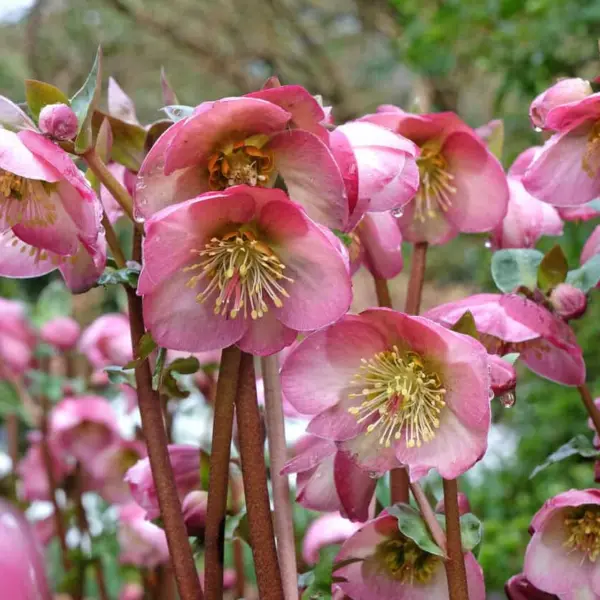
Shove them into the most miserable corner of your yard and watch them thrive in darkness out of undiluted spite. Shade suits them because sunlight is for the cheerful and the vitamin D-deficient.
Their moody and elegant display of nodding blooms will persist for months, bridging the gap between the first thaw and the darling buds of May.
Hellebores are evergreen, which annoys deer and rabbits, and your envious neighbors. Just keep the soil damp, or you’ll find it’s hell-bent on making you look like a failure.
Quick tip: One thing I learned the hard way is to plant hellebores slightly high. I leave the crown just above soil level and mulch around it, otherwise winter moisture can rot them before they ever get a chance to show off.
2: Snowdrops (USDA Zones 6-9)
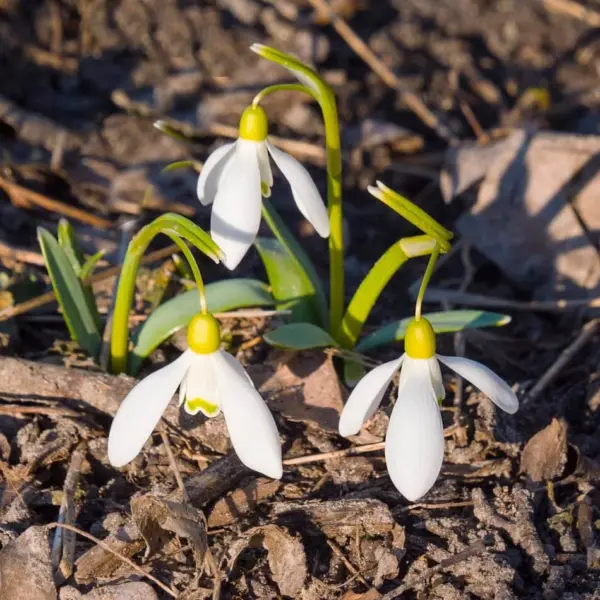
White petals shaped like tiny bells hide a surprisingly violent nature. They do not ask for permission to exist. Instead, hardened leaf tips simply shiv their way through frozen dirt like a sharpened ice pick.
Natural antifreeze in their sap provides a much cooler party trick than anything your dormant lawn will manage this century. Plant them in drifts if you want to impress the mailman, but avoid disturbing them once they have claimed their territory.
3: Winter Aconite (USDA Zones 6-9)
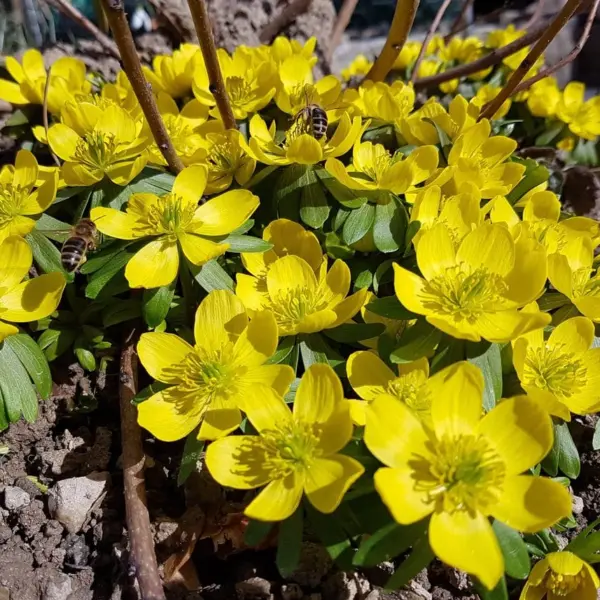
Yellow blooms appear as tiny suns dropped onto the muddy earth without armageddon vibes. These gems operate as the ground cover anarchists, spreading their territory whenever they feel the urge.
They will exploit any vacant space under deciduous trees to hog the sunlight before the leafy canopy wakes up. Winter aconite loves damp spring soil, then promptly wants to be ignored once it goes dormant and the soil dries out in summer.
4: Crocus (USDA Zones 6-9)
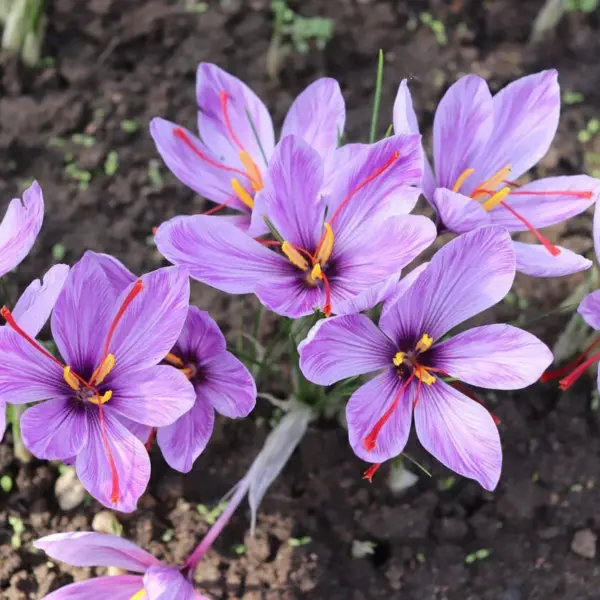
Hungry bees wake up in February with a serious case of the munchies and very limited options. Your yard becomes the only open 24-hour diner in the zip code once these purple and gold chalices open. Every petal serves up a high-protein fix for bugs currently cheating the grim reaper.
Heave the bulbs into the turf to create a chaotic meadow, assuming you can resist the urge to mow your lawn until the leaves finally give up the ghost.
Quick tip: The mistake I see most often is mowing too soon. Wait until the leaves turn completely yellow, even if the lawn looks messy, and the flowers come back thicker every year.
And if you’re already in the mood to get planting, don’t miss our guide to 9 flowers to start in February and March for summer blooms, it’s perfect for planning your next wave of color.
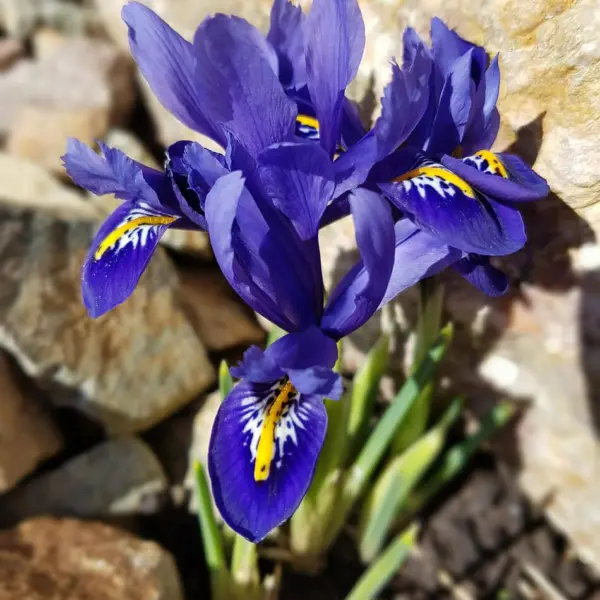
5: Iris Reticulata (USDA Zones 6-9)
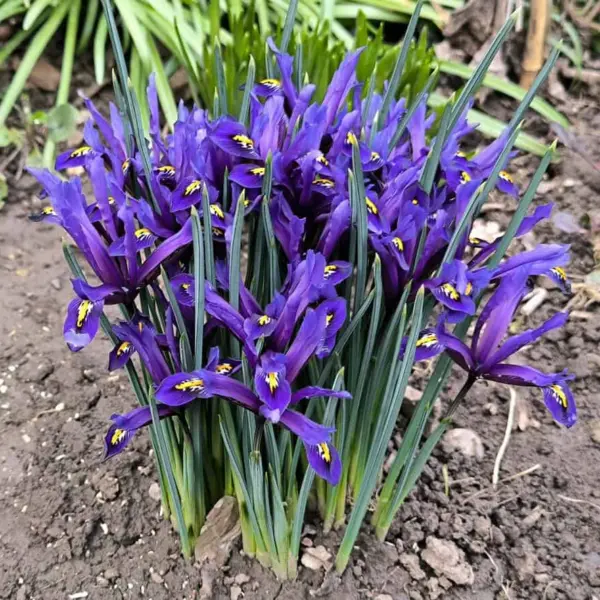
Velvet petals and royal stature give these short-statured plants an air of unearned confidence. They demand dry feet with a level of persistence that borders on a personality flaw.
Standing only five inches tall allows them to dodge the wind damage that ruins taller and more arrogant flowers. Plant them in gravelly soil or a raised bed to ensure they won’t rot out of pure protest.
Quick tip: What finally worked for me was planting them slightly on a slope or mound, even good soil can hold winter moisture, and these will rot fast if water lingers around the bulbs.
6: Primrose (USDA Zones 7-9)
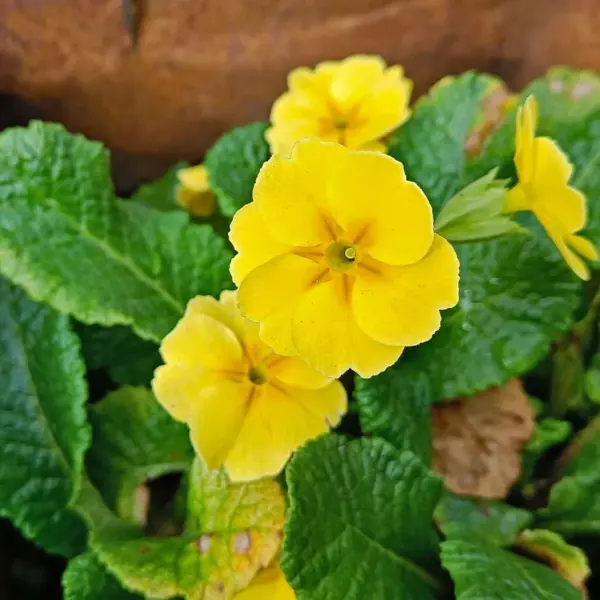
Neon colors provide a much-needed slap to the face of a gray February morning. Primrose will offer a visual saturation button for your garden borders while other flora remains dormant and boring.
Nobody thrives in a cool, moisture-rich spring like the Primrose, but even they draw the line at soggy muck. It soaks up more moisture than my uncle.
Quick tip: Just keep them out of the summer sun or they’ll shrivel faster than your enthusiasm for a Friday afternoon meeting!
7: Lungwort (USDA Zones 6-9)
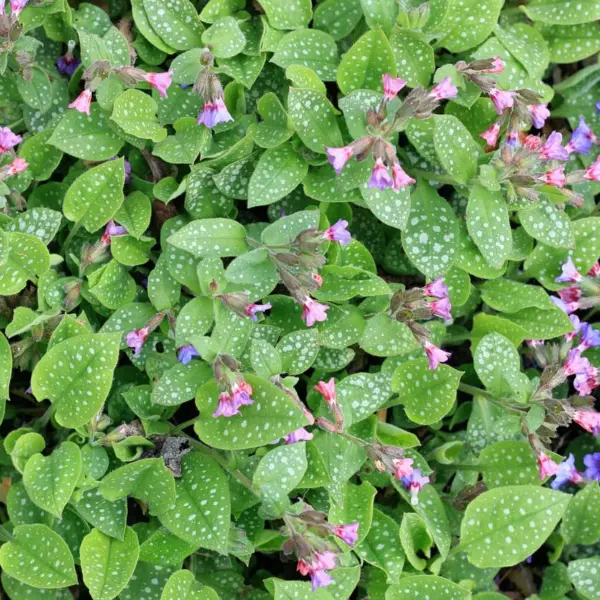
Each lungwort plant shifts its bloom from pink to blue to signal to bees which flowers contain a fresh and sweet reward. It thrives in cool, shaded corners with soil that stays lightly moist, pushing through early spring without complaint.
The rough, hairy foliage keeps deer at bay, making it one of the few early bloomers that survives both frost and local wildlife with dignity intact.
Fun fact: Its spotted foliage resembles a diseased and silver lung, a detail that inspired its unappealing name. Medieval doctors used the plant for respiratory issues, though you should stick to actual modern medicine!
8: Pasqueflower (USDA Zones 6-9)
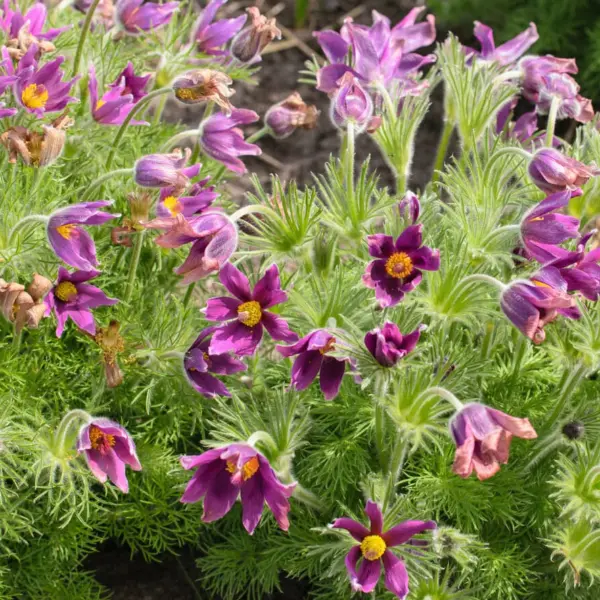
Fuzzy stems and silken hairs make Pasqueflower look like a Muppet took a nap in your flowerbed. Every part of the flower wears a fur coat to survive the biting wind and surprise late-season frosts.
It develops deep roots that snortlaugh at drought once the summer heat arrives. Pick a permanent sunny spot. If you pasque for trouble by moving it, you’ll certainly find it.
9: Bergenia (USDA Zones 6-9)
Leathery leaves provide a thick and waxy texture and don’t mind some light frost. Some call it Pigsqueak because the leaves make a peculiar… noise when you rub the leaves together (a great way to alienate guests at a garden party).
Bergenia is happiest in sun to partial shade with soil that stays moderately moist but never soggy, pushing through late winter while other plants are still negotiating with the cold.
Quick tip: I rely on bergenia as a problem-solver. It handles frost, shade, and neglect better than almost anything else I’ve planted along borders.
10: Wallflower (USDA Zones 7-9)
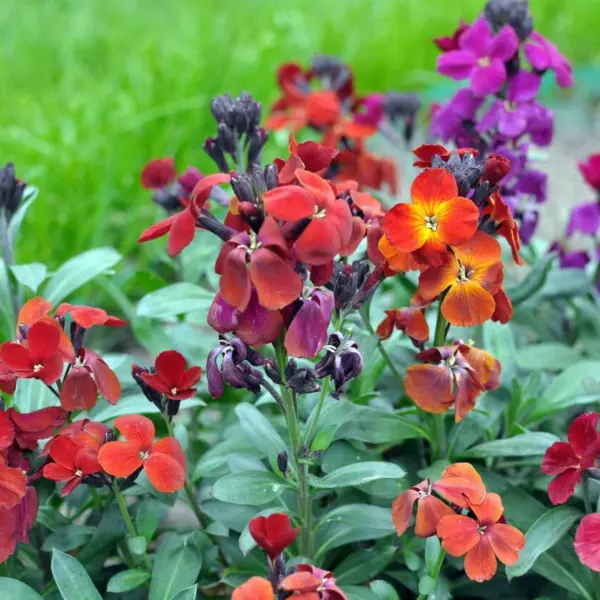
Fragrant infiltrators will colonize your crumbling brickwork and stone cracks without a second thought. They prefer lean and mean soil over the rich stuff. Perfect for that rocky corner you usually ignore.
They also thrive in full sun with sharp drainage, preferring dry to average soil rather than anything rich or overwatered.
Wallflowers often behave as short-lived survivors or biennial, but they seed themselves with a quiet and effective persistence. The scent alone justifies the effort of digging through the cold grit.
11: Bleeding Heart (USDA Zones 6-9)
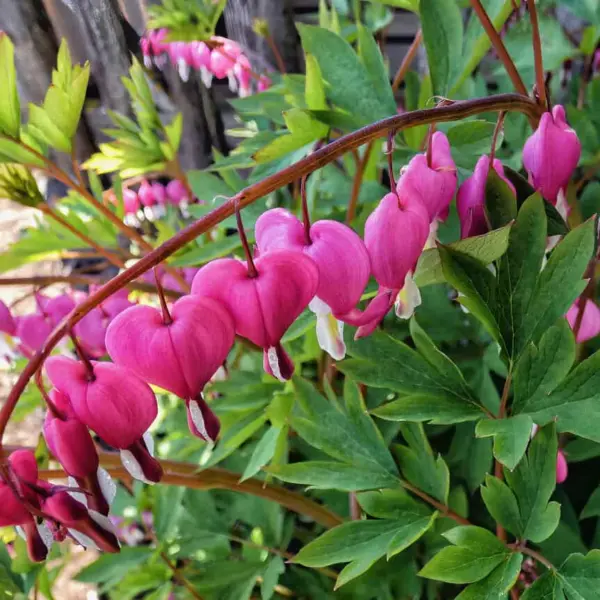
Each plant puts on a short and spectacular performance before it ghosts your yard by July, because cool and moist weather only keeps the foliage happy until the heat triggers a prompt and silent exit.
Sudden abandonment leaves you with a massive and brown void that offers a clue to why the plant earned its name. Still, the arched stems and pink blossoms justify the annual heartbreak.
Quick tip: I always plant bleeding hearts behind later-emerging perennials, so when they disappear in summer, something else steps in to cover the heartbreak.
If you’re wondering which early bloomers bounce back strongest after a hard cut in late winter, check out my guide on 10 flowers that come back strong after a February cut-back for ideas that perform year after year.
12: Violets (USDA Zones 6-9)
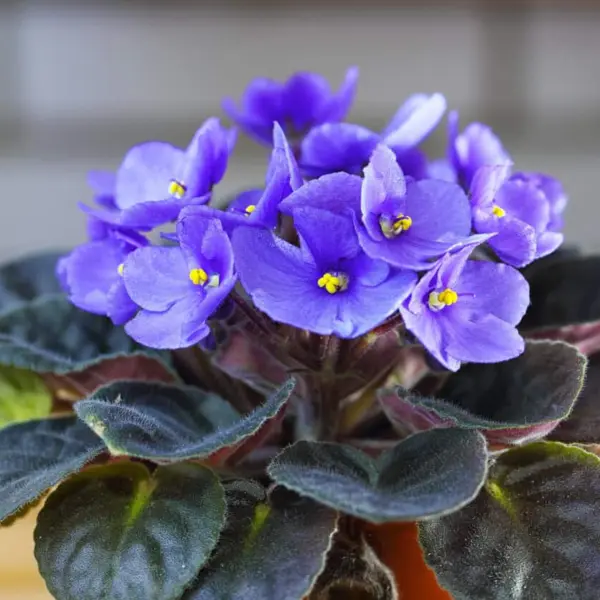
Violets run a covert yet aromatic operation that would make James Bond proud. You usually catch a whiff of their scent long before you spot the hidden blooms that lurk in the grass. They spread with a quiet and relentless hunger.
Your yard will smell better than the neighbor’s for years to come. Every plant remains tough and indestructible, which is great news for anyone who lacks a thumb of any color and an ounce of patience.
They are comfortable in sun or partial shade and tolerate everything from dry lawns to lightly moist borders without complaint.
Rooted in (February) Reality
February doesn’t care about your feelings, but these plants don’t care about February. You have recruited a fierce team to guard your (garden) borders. You can expect a little heartbreak and a lot of spiteful growth. But a beautiful and chaotic landscape beats a sensible one every time.
Still unsure what else you can put in the ground this month? Our everything you can plant in February: Zone 1-10 Gardening Guide breaks it down so you know what’s actually workable where you live.
